




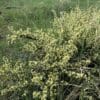
Antelope Bitterbrush
 Price range: $8.75 through $69.97
 - Scientific name: Purshia tridentata
- Palatable, high quality shrub for big game and livestock
- Medium quality cover for sage-grouse
- Can be easily eliminated by over use
- Flowering occurs in late spring to early summer
- Very important reclamation shrub in western USA
Min. to Max. Annual Precipitation
72in.
Average Max. Height
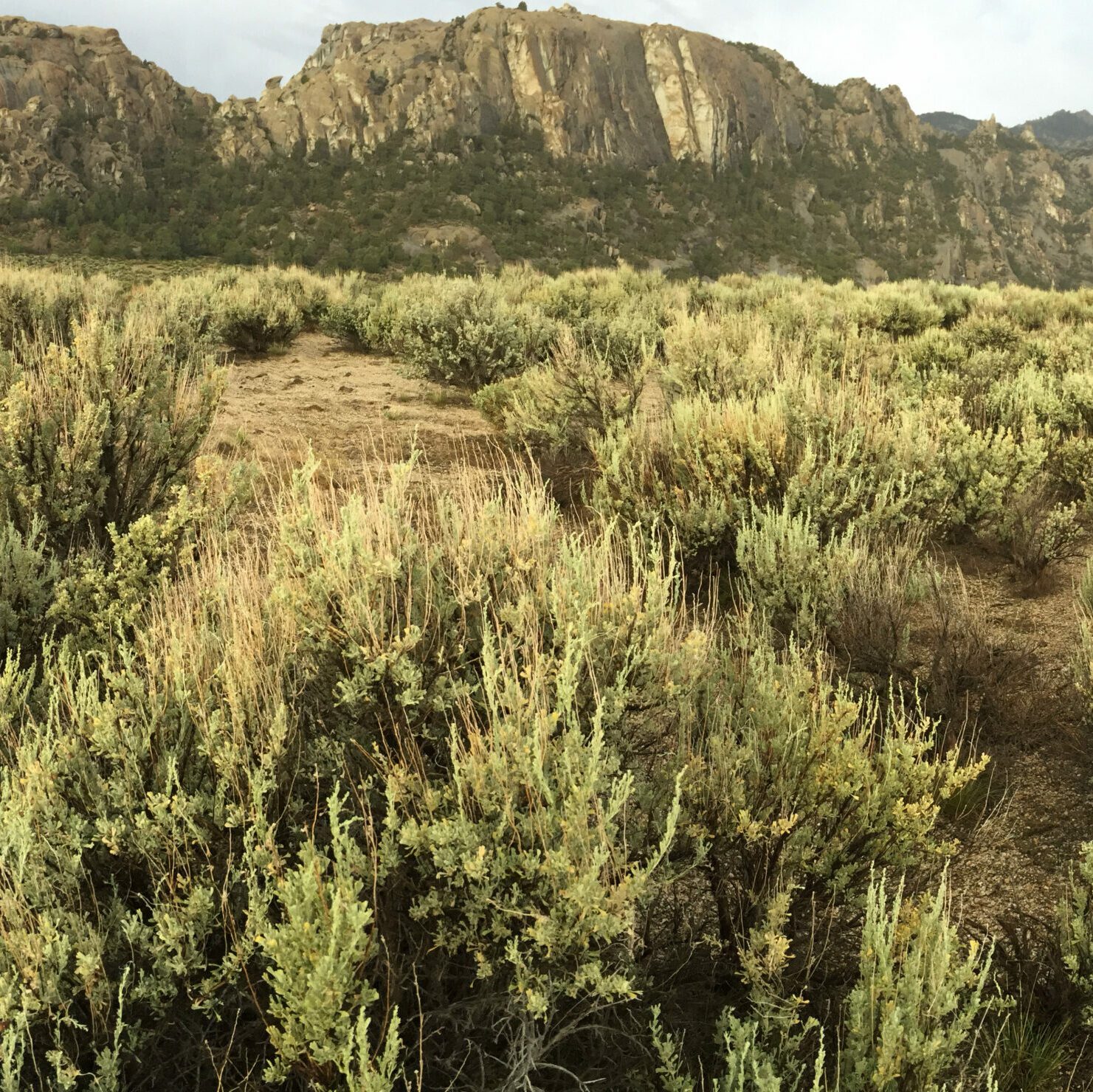
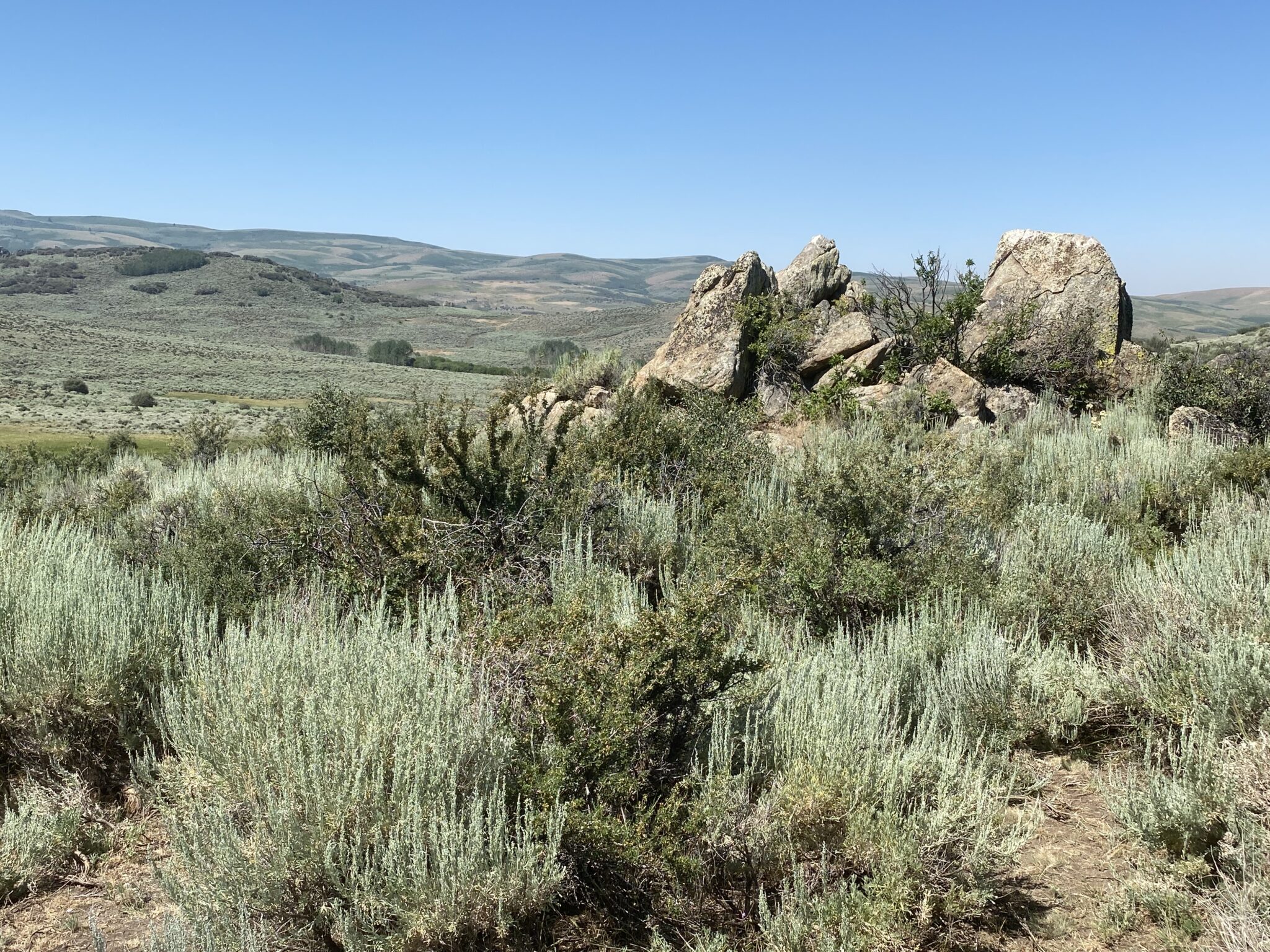
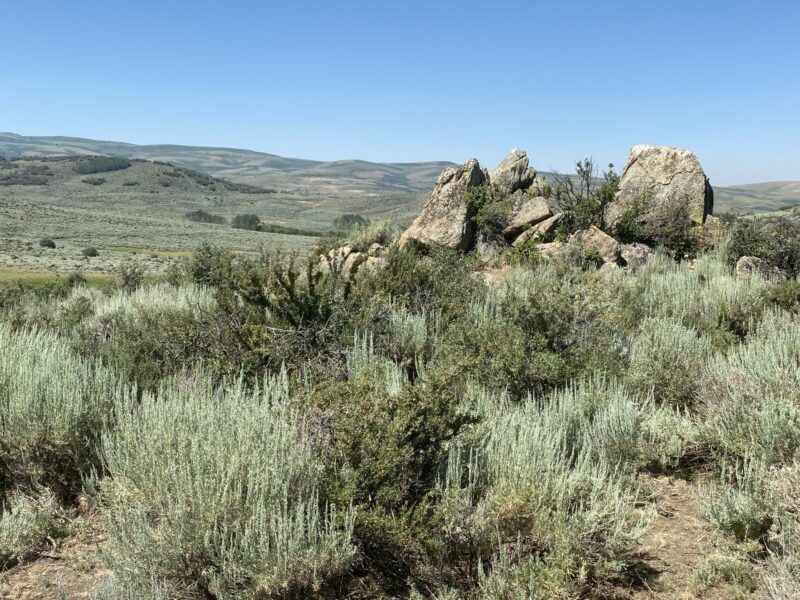
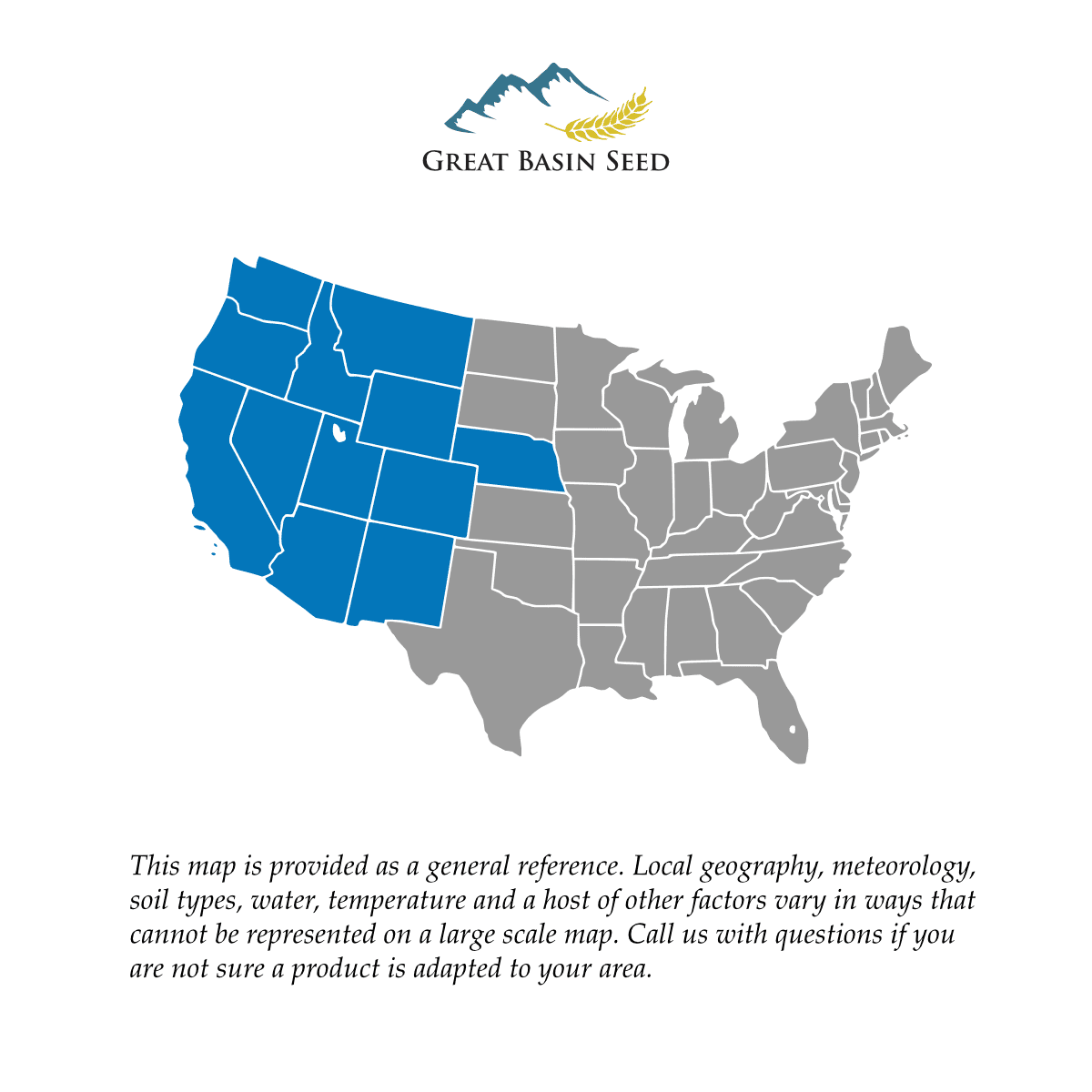
Antelope bitterbrush (Purshia tridentata) is a very palatable, high quality shrub for big game and livestock. It also provides cover for small animals and birds. It is considered a medium quality cover for sage-grouse. Bitterbrush seed is an important source of food for small animals. It is adapted to a wide range of soils with 8 to 34 inches of annual precipitation and occurs at elevations of 4000 to 8500 feet, but has been noted at 11,000 feet in California.
For quick plant facts please click on the “Quick Plant Facts” tab
General Description:
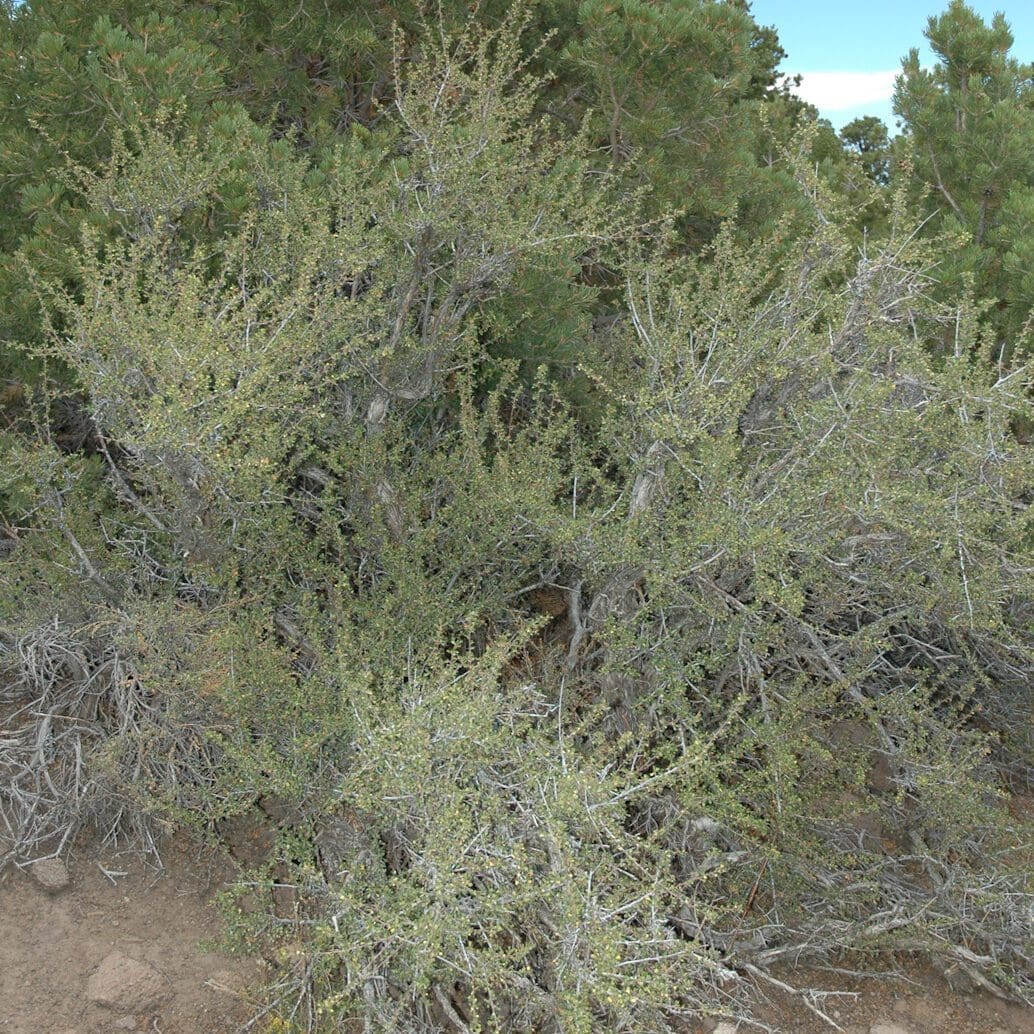
Antelope bitterbrush (Purshia tridentata) is a very palatable, high quality shrub for big game and livestock. It also provides cover for small animals and birds. It is considered a medium quality cover for sage-grouse. Bitterbrush seed is an important source of food for small animals.
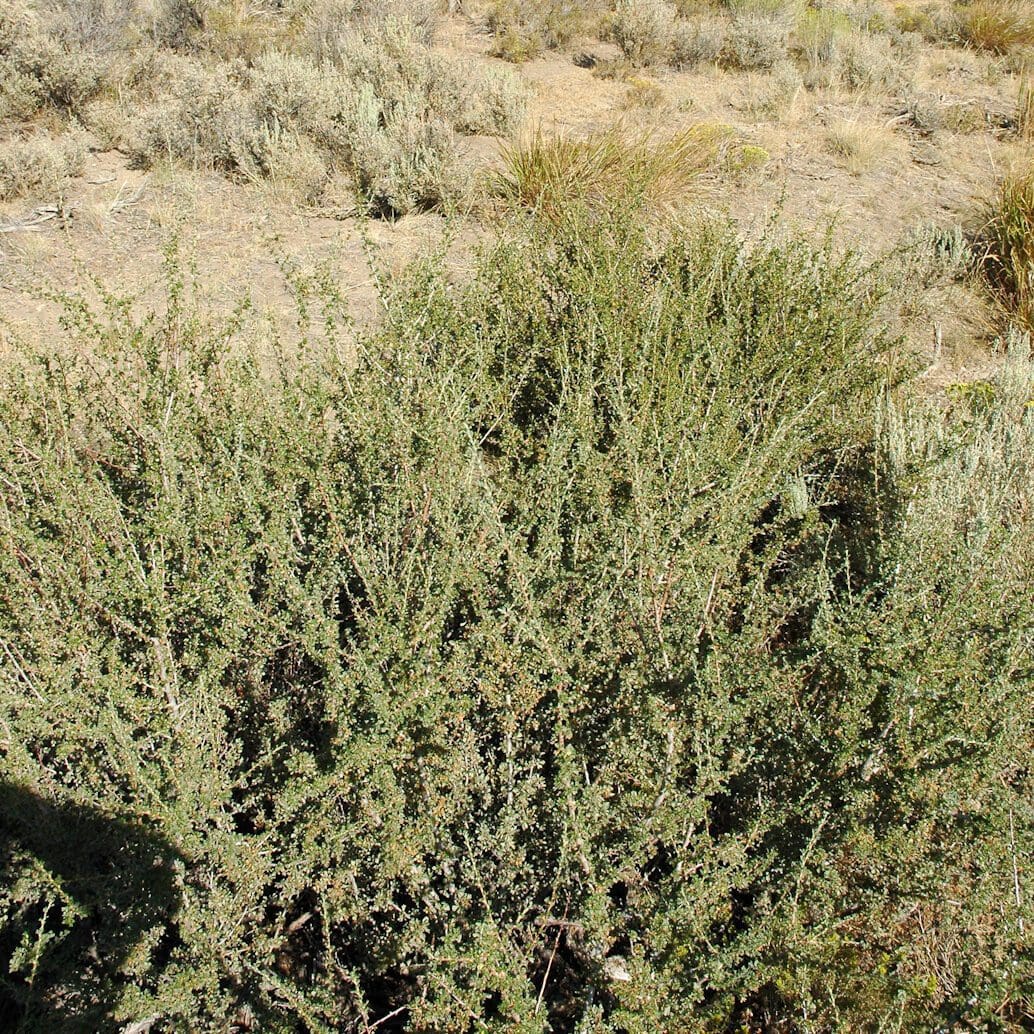
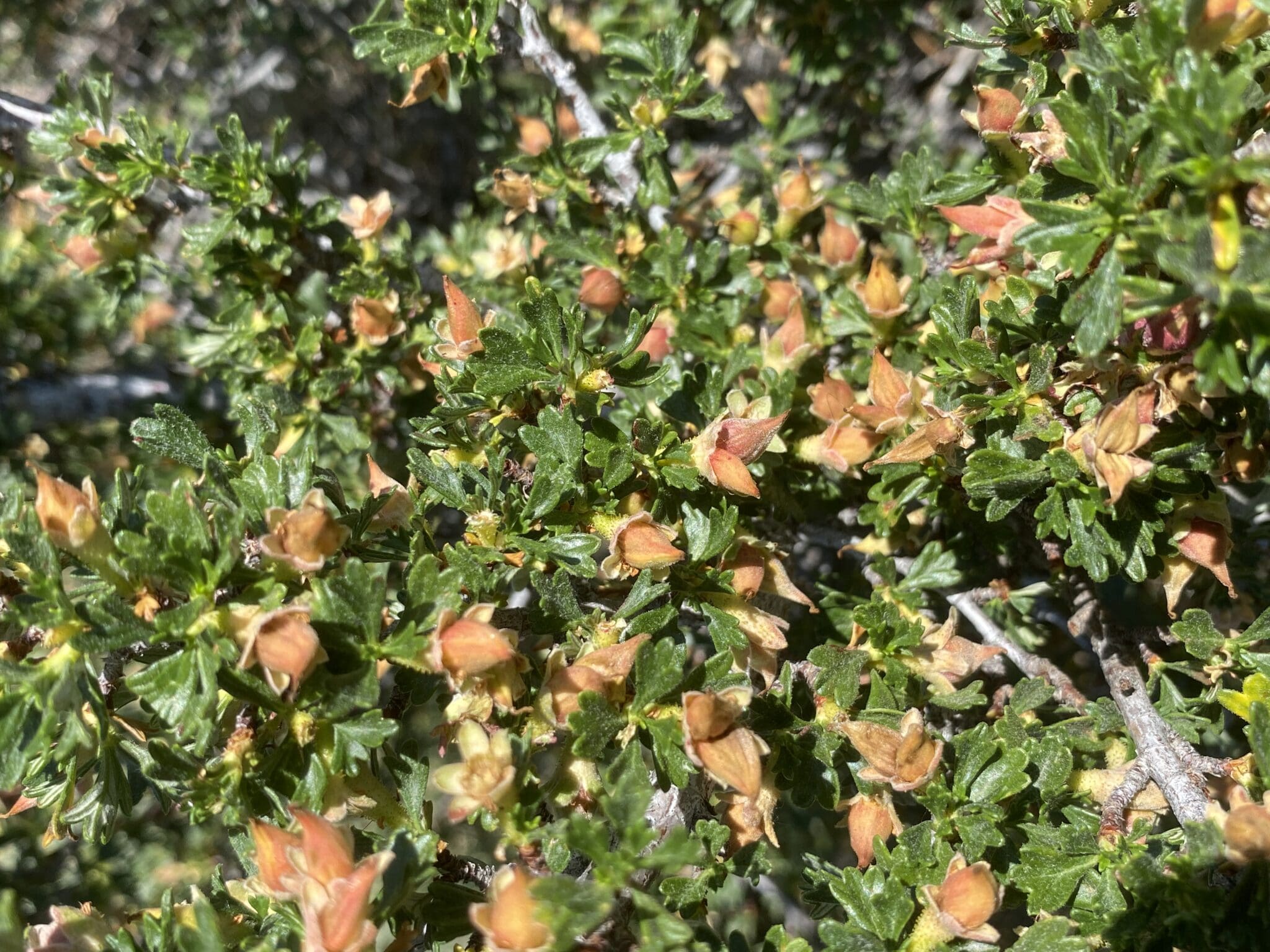
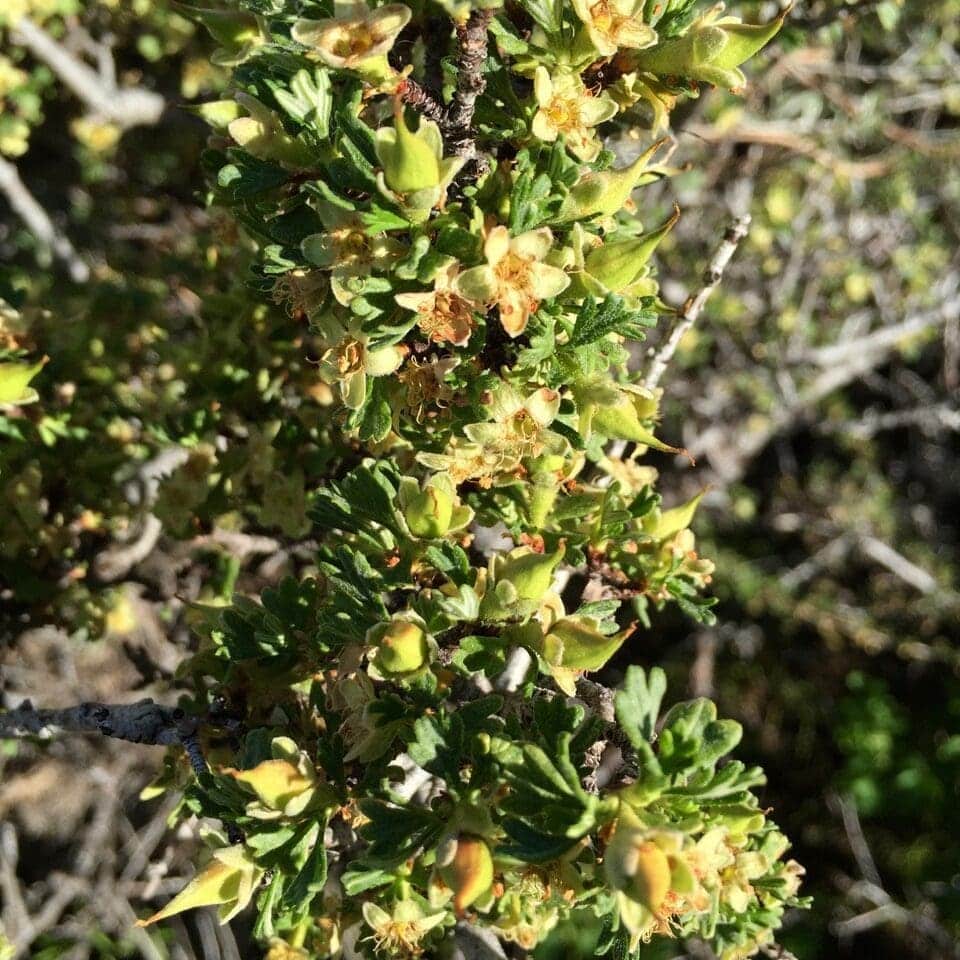
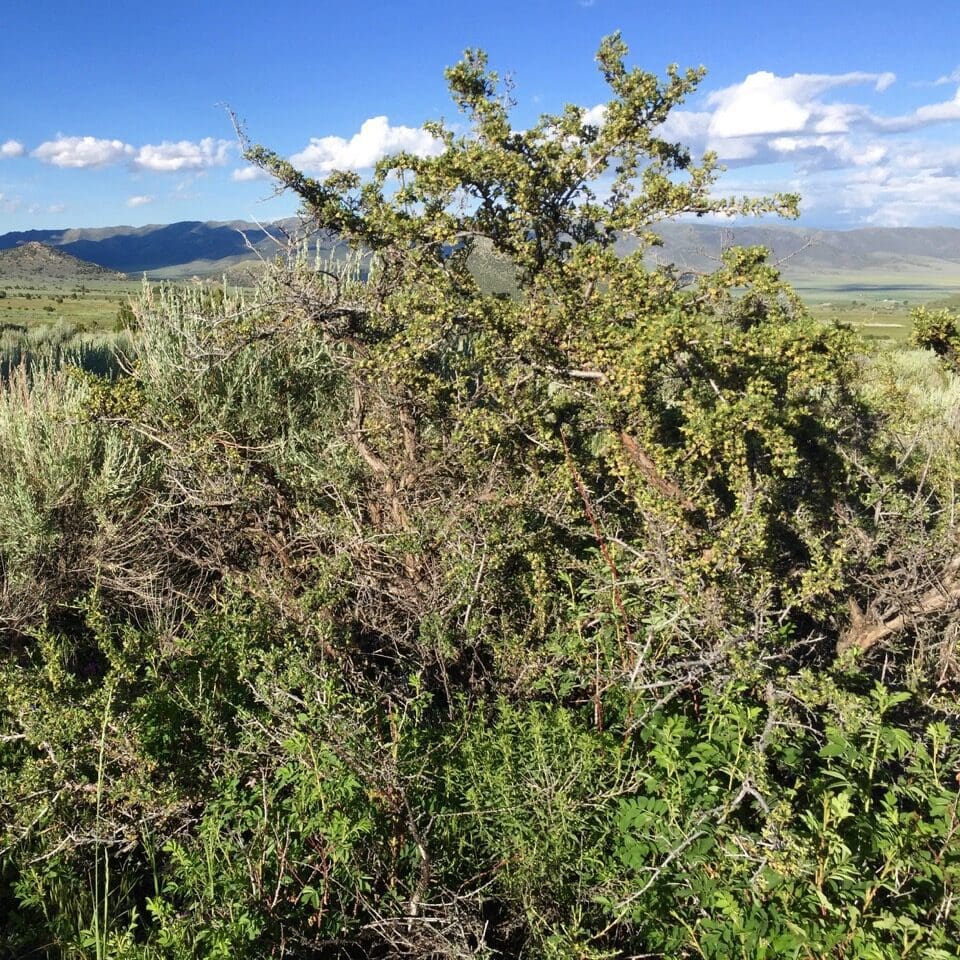
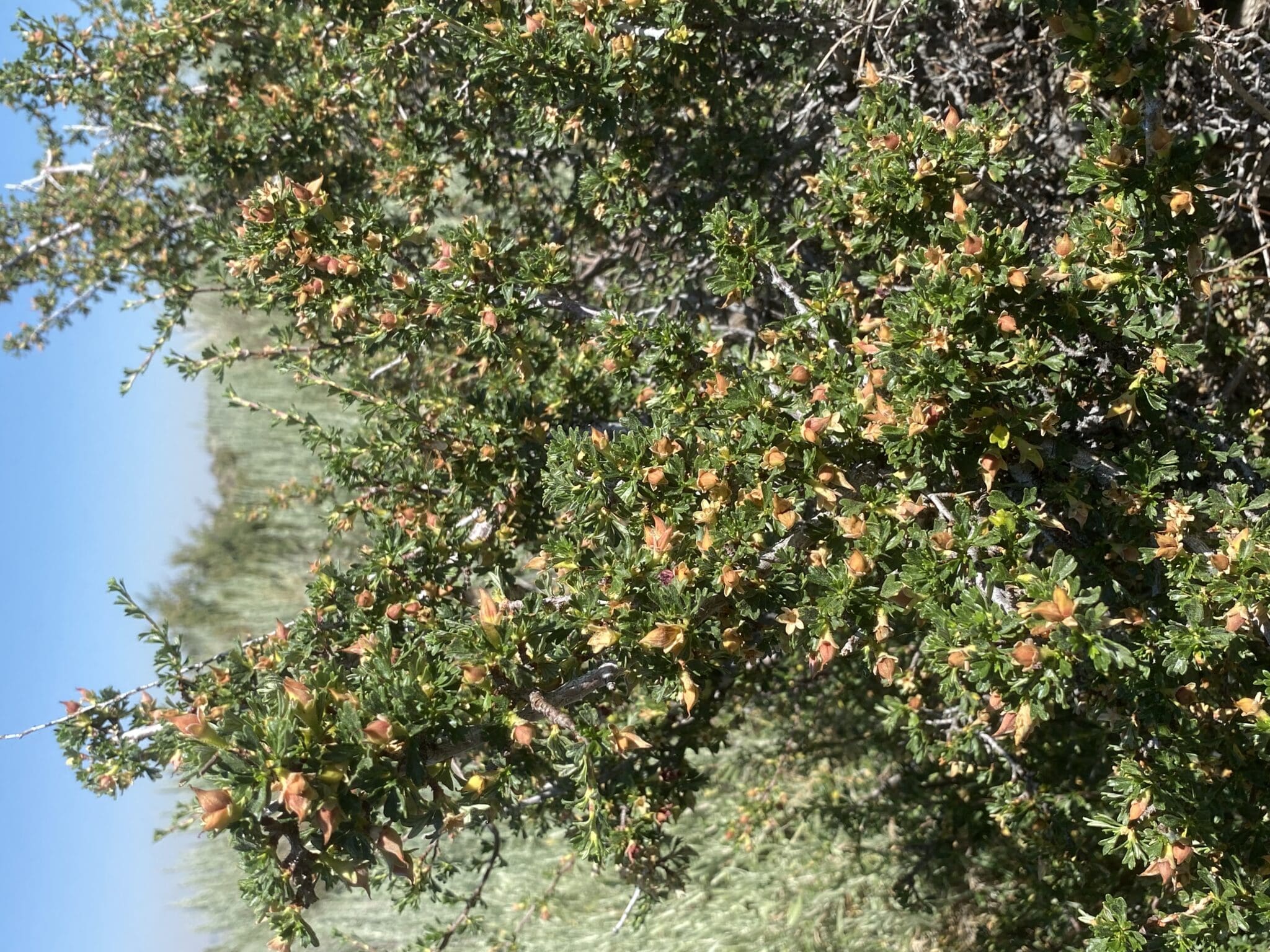
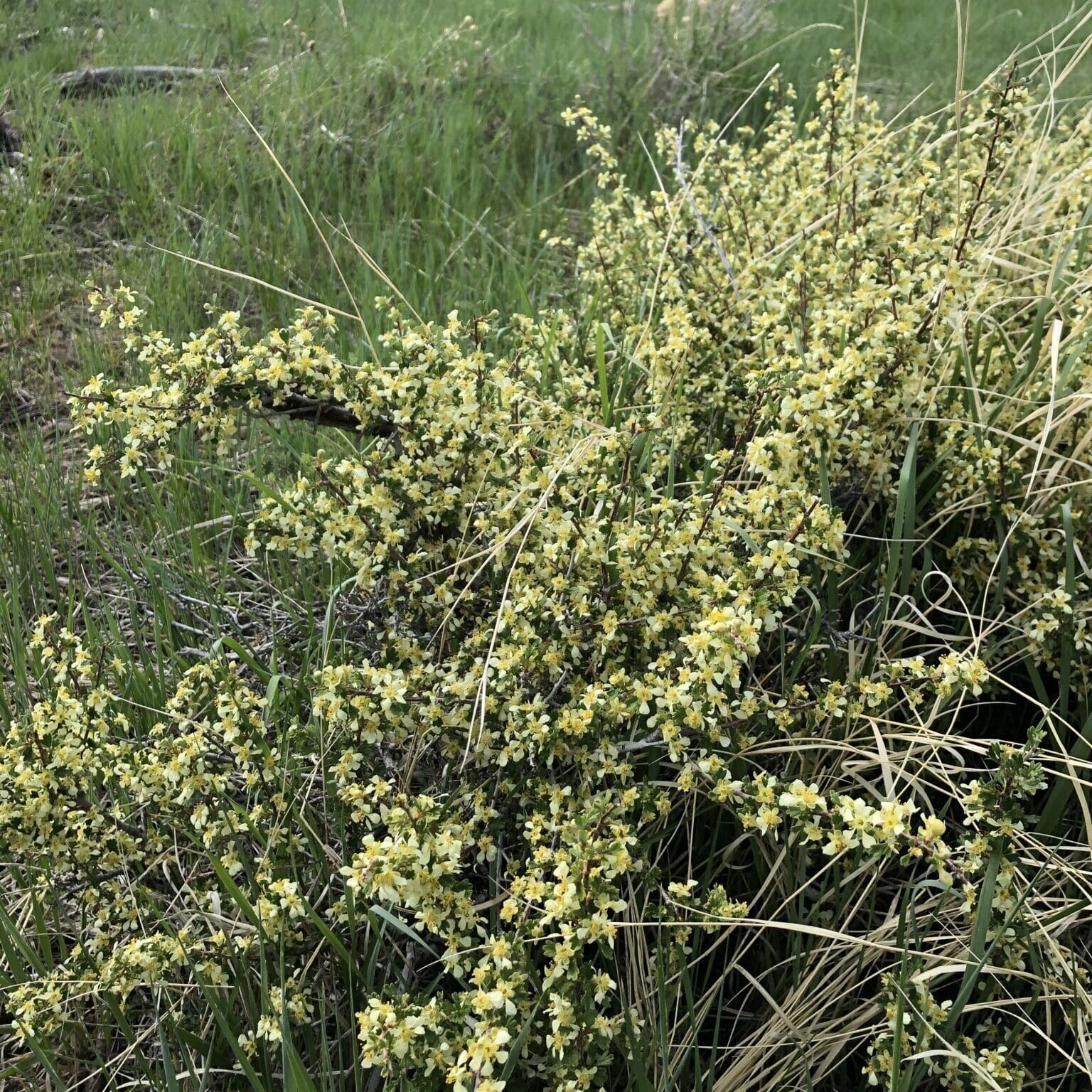
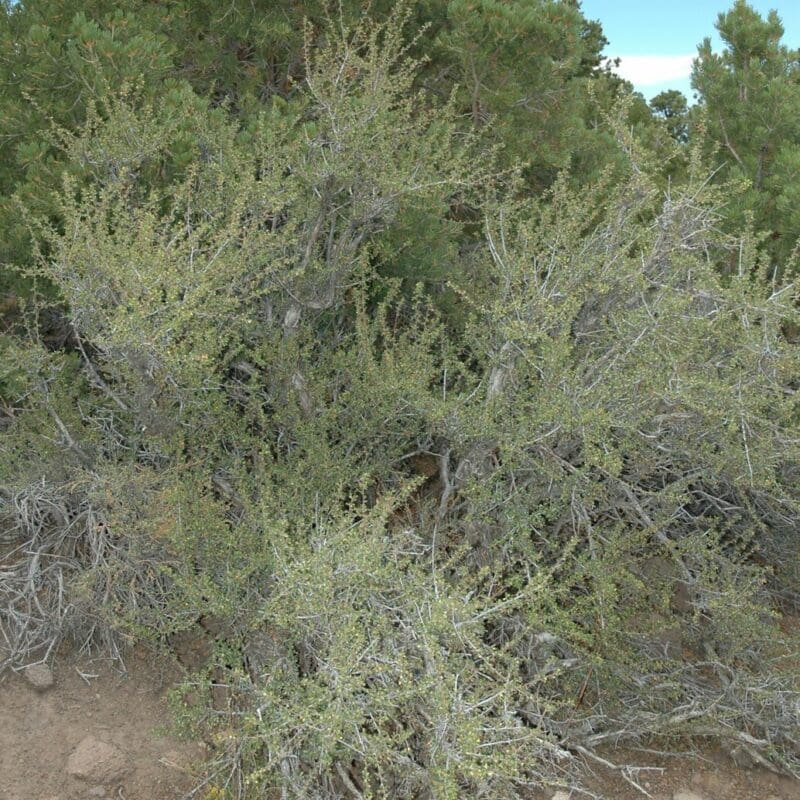
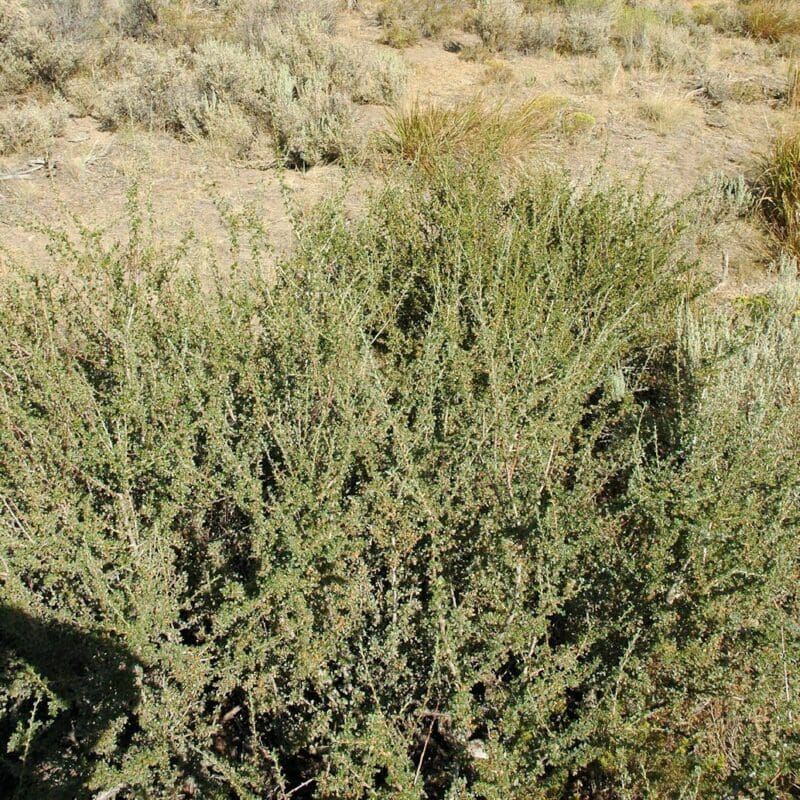
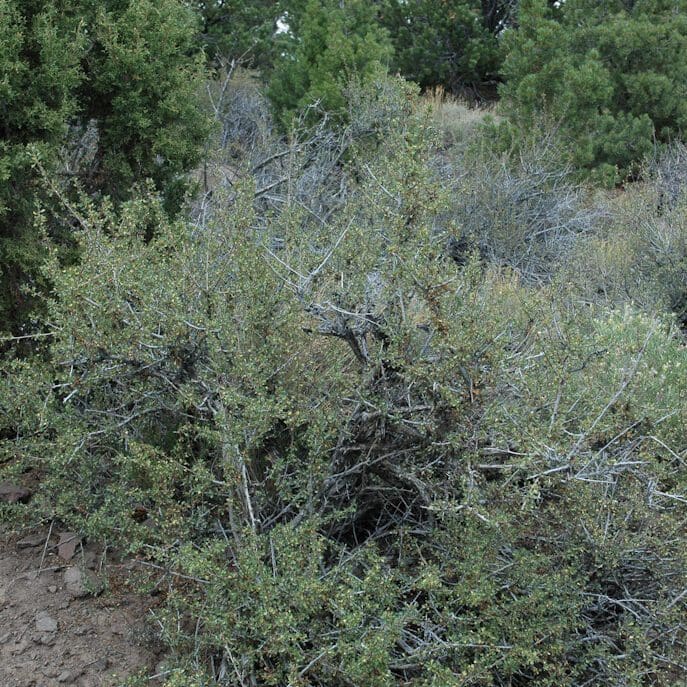
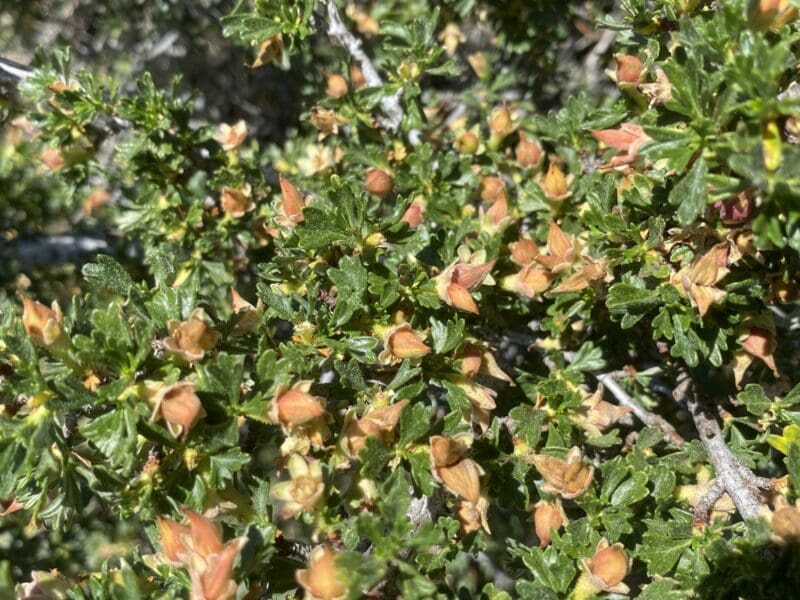
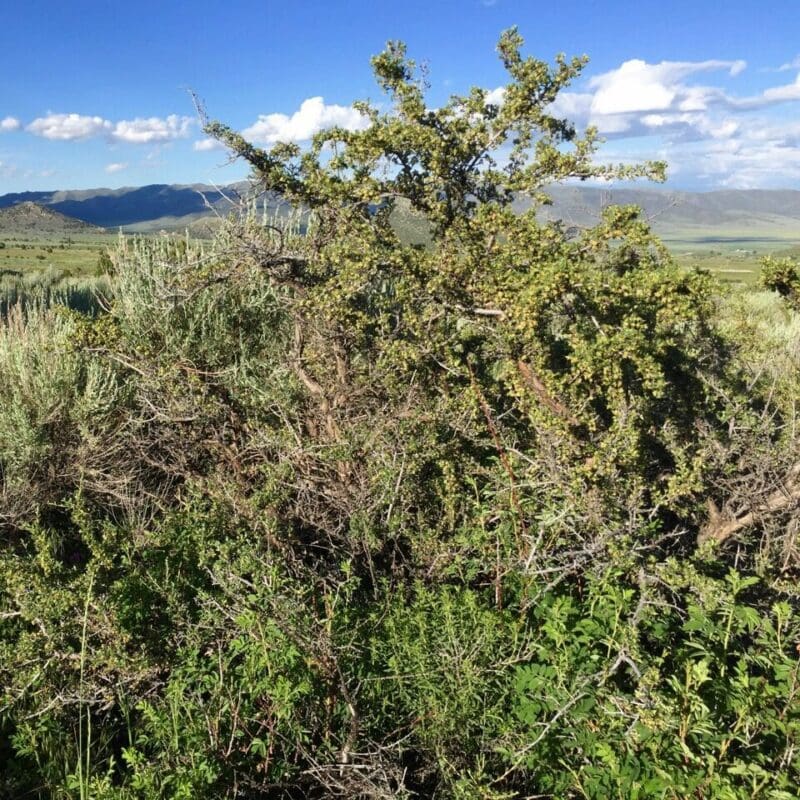
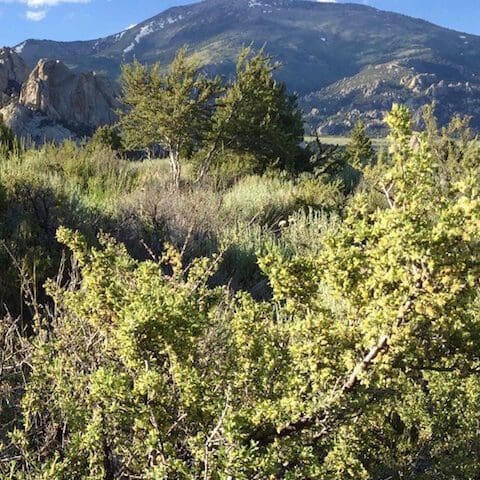
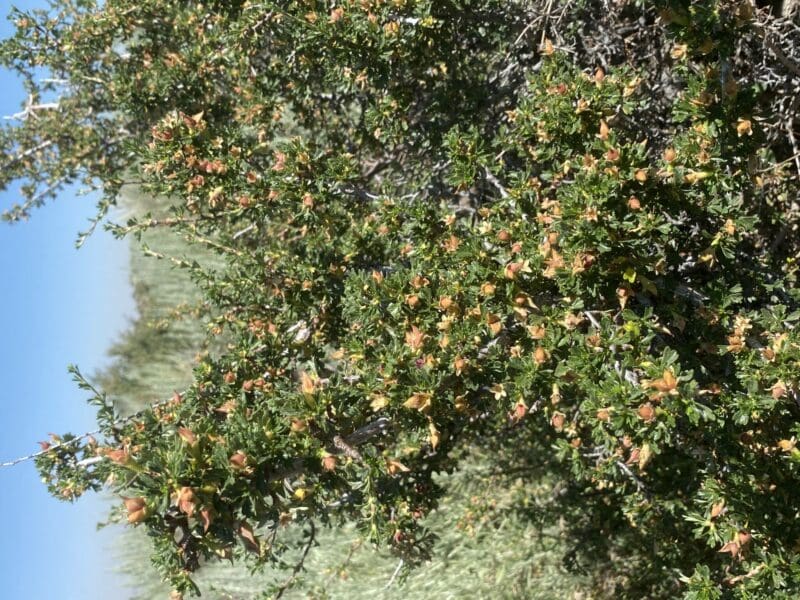
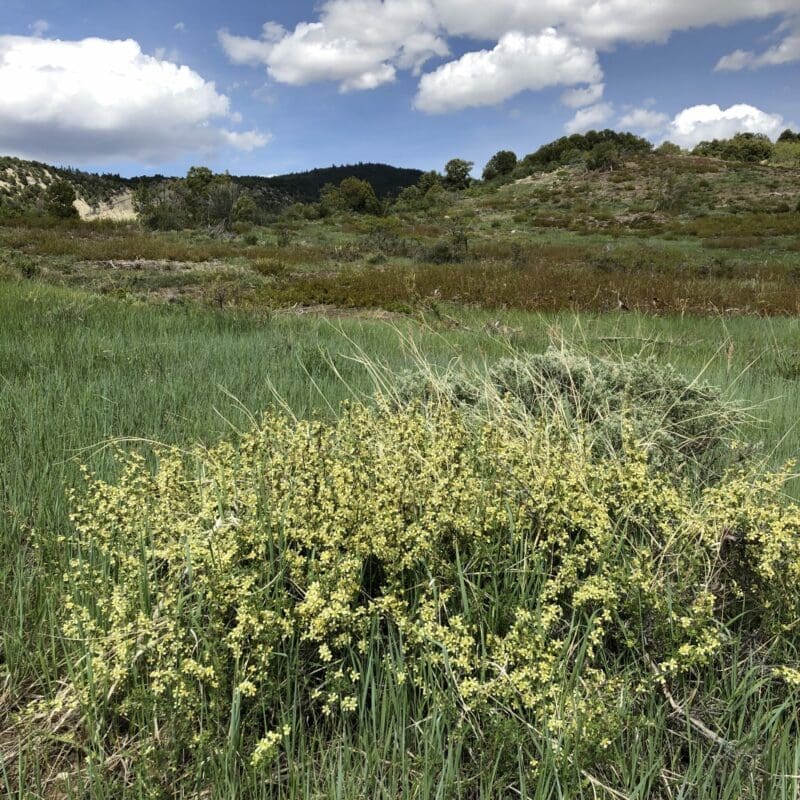
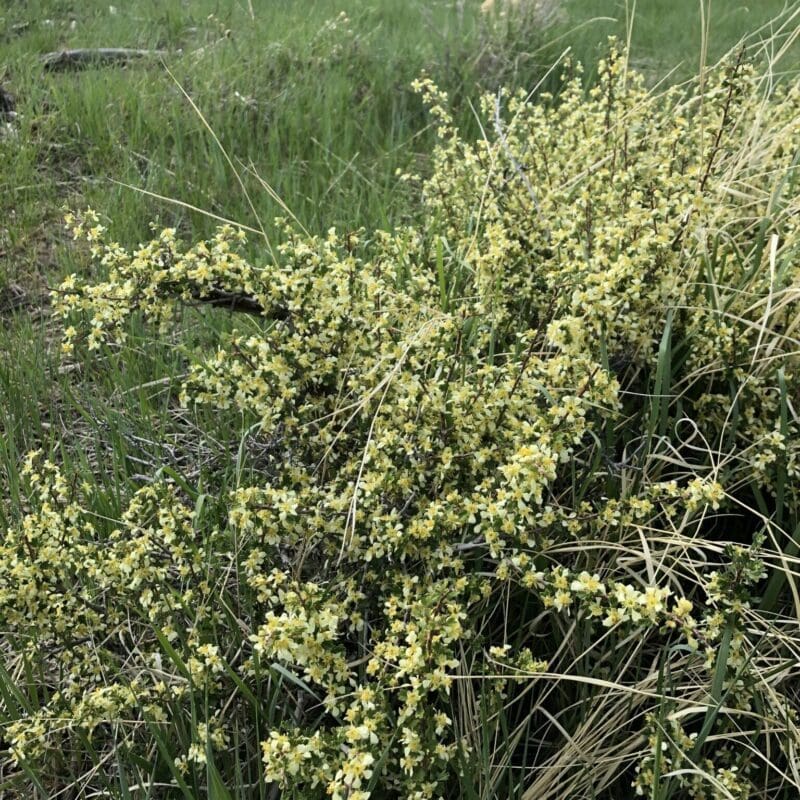
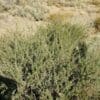
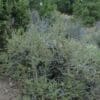
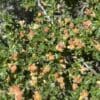
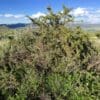
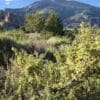
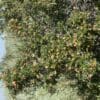
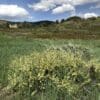
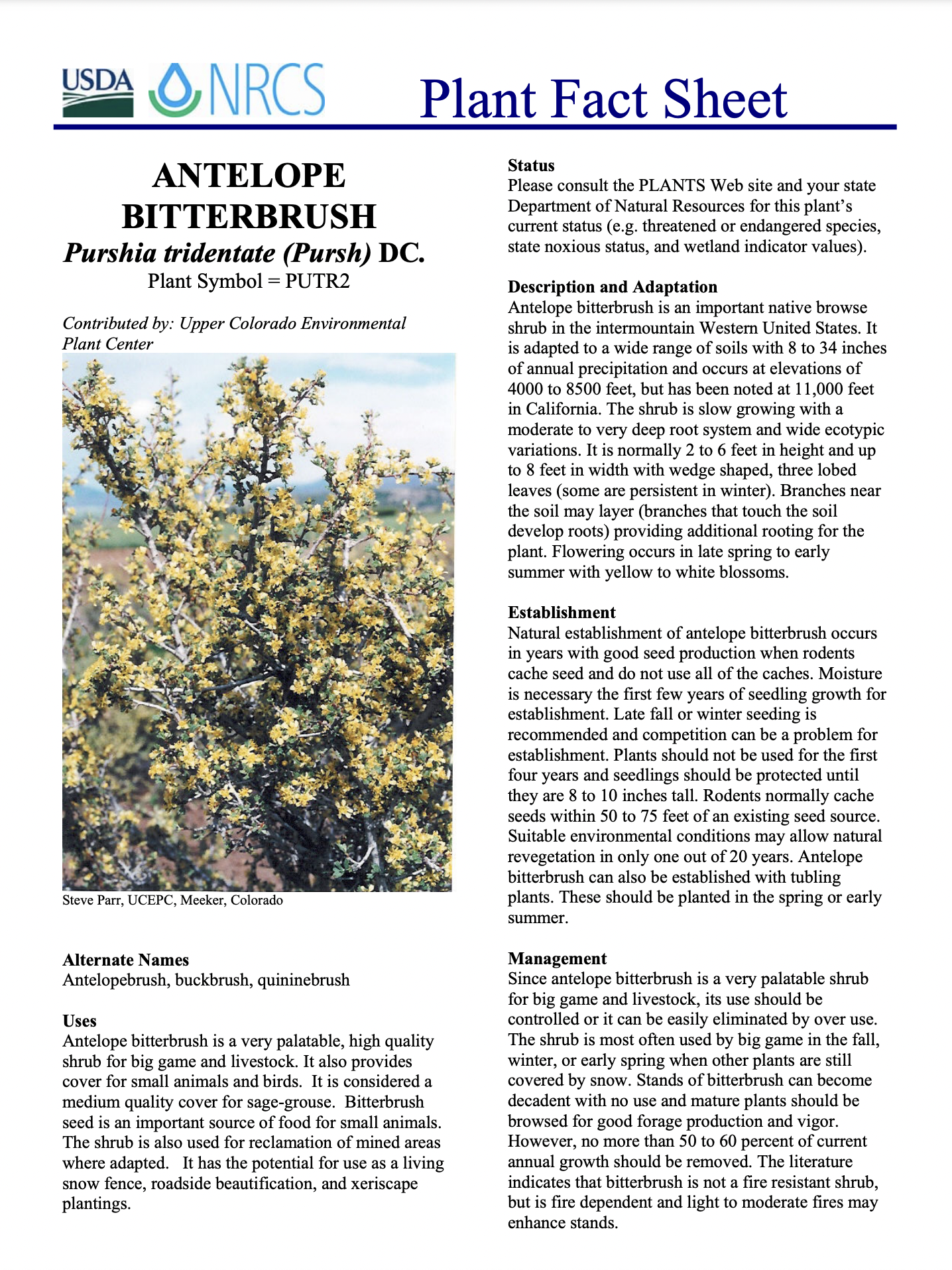
Antelope bitterbrush is an important native browse shrub in the intermountain Western United States. It is adapted to a wide range of soils with 8 to 34 inches of annual precipitation and occurs at elevations of 4000 to 8500 feet, but has been noted at 11,000 feet in California. The shrub is slow growing with a moderate to very deep root system and wide ecotypic variations. It is normally 2 to 6 feet in height and up to 8 feet in width with wedge shaped, three lobed leaves (some are persistent in winter). Branches near the soil may layer (branches that touch the soil develop roots) providing additional rooting for the plant. Flowering occurs in late spring to early summer with yellow to white blossoms.
Stands of bitterbrush can become decadent with no use and mature plants should be browsed for good forage production and vigor. However, no more than 50 to 60 percent of current annual growth should be removed. The literature indicates that bitterbrush is not a fire resistant shrub, but is fire dependent and light to moderate fires may enhance stands.
Uses:
The shrub is also used for reclamation of mined areas where adapted. It has the potential for use as roadside beautification and xeriscape plantings.
Since Antelope Bitterbrush (Purshia tridentata) is a very palatable shrub for big game and livestock, its use should be controlled or it can be easily eliminated by over use. The shrub is most often used by big game in the fall, winter, or early spring when other plants are still covered by snow.
Purhsi tridentata is a very important reclamation shrub in the western United States.
Planting Conditions:
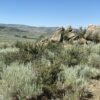
Antelope Bitterbrush thrives in well drained soils, sandy, loamy, or rocky soils. Soils that will provide the least amount of restrictions are ideal. Avoid heavy, poor draining soils. Plant in areas where Purchia tridentata will receive full sun. This plant is very drought tolerant. It is adapted to arid, desert type environments. With their deep tap roots it can survive long drive spells. Ideal elevation is between 3,000- 10,000 feet.
Establishment:
Antelope bitterbrush is a slow start so be patient with it. Bitterbrush spends the first couple years focusing on root growth. The best time to plant is late fall, early winter. This provides a natural stratification for the seed that will help with germination in the spring time. Ensure the seeds gets pressed into firmed soil bed so provide good seed to soil contact. The biggest influence on survival for this species is providing any moisture for the first 1-2 growing seasons. Even though it is very drought tolerant, the tap root needs the means and time to grow deep into the soil.
The first 2 years minimal growth above ground will be seen as it focuses mainly on root growth.
The following years it continues to develop deep roots to survive long dry spells.
Around the 5th year the shrub will have fully established.
Seeding Rate:
.5 – 2 pounds per acre
CERTIFIED HAND COLLECTED SEED
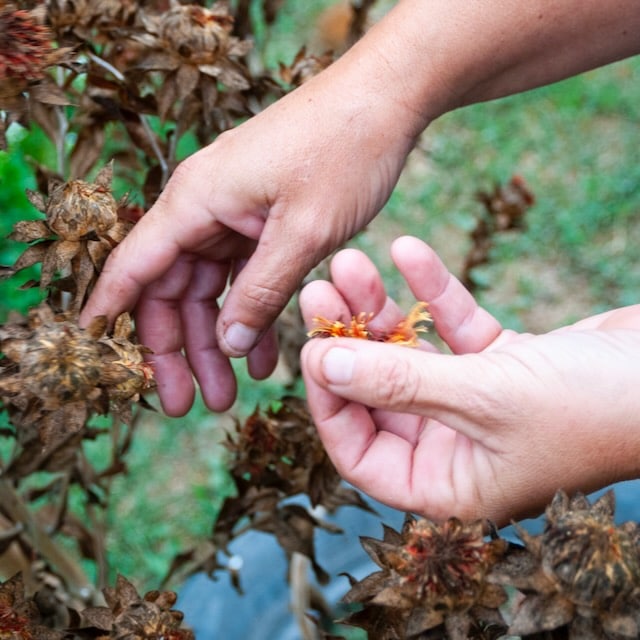
The process of hand collecting seed is millennia old. Seeds are gathered from native plant "stands" on public or private lands in the Intermountain West where these plants have lived for millions of years. Seed is gathered by hand stripping, cutting or "beating" the seed pods or capsules into a collection barrel. The process is laborious and time consuming. Collections may be as small as a few pounds to tens of thousands of pounds of material. Field collected material is conditioned in our state of the art facility down to pure seed that can be delivered to you!

THIS SPECIES IS HAND COLLECTED
Great Basin Seed has been hand collecting seeds since 1974
ANTELOPE BITTERBRUSH
(Purshia tridentata)
Antelope Bitterbrush NRCS Plant Guide and Fact Sheet
Antelope Bitterbrush NRCS Plant Guide and Fact Sheet
PDF version of NRCS Plant Guide & Fact Sheet
Prepared By & Species Coordinator: Gary L. Noller, Ph.D., Plant Materials Consultant Upper Colorado Environmental Plant Center Meeker, Colorado
Helpful Links
Additional information about this product can be found on the academic websites linked below.
Synonyms
Many plants have more than one common and scientific name. We've listed a few of them below.
- Antelope Bitterbrush
- Purshia tridentata
Who is Great Basin Seed?
Great Basin Seed is a seed company that specializes in seed sales and consultation for home, ranch, farm, range and reclamation. We have been a leader in the seed industry since 1974.
Our History
We've been in the seed business since 1974.
What We Offer
We offer seed for home, farm, ranch, range and reclamation projects.
Meet the Gang
We have the best employees in the world! We are proud of the work they do, and trust them to serve you!
Right: Company founder Lloyd and his wife Paula Stevens in a wildflower seed production field circa 1977
Quick Plant Facts
| Common Name: | Antelope Bitterbrush |
|---|---|
| Scientific Name: | |
| Lifespan | Perennial |
| Origin: | |
| Plant Type | Shrub |
| pH Tolerance: | |
| Seed Count per Lb. | 15000 |
| Growth Height | 2-15 Feet |
| Root System | Fiberous |
| Planting Rate: | |
| Minimum Precipitation | 8 Inches |
| Best Sowing Time | Fall, Winter, Early Spring |
| Max Sowing Depth: | |
| Growth Season: | |
| Sun & Shade Tolerance: | Full sun, Partial shade |
| Informational PDF | putr.pdf |
| Hardiness Zones: | |
| Select a Package Size and Quantity | 1 oz. Envelope, 4 oz. Pouch (0.25 lbs.), 8 oz. Pouch (0.50 lbs.), 1 lb. (by the pound) |