






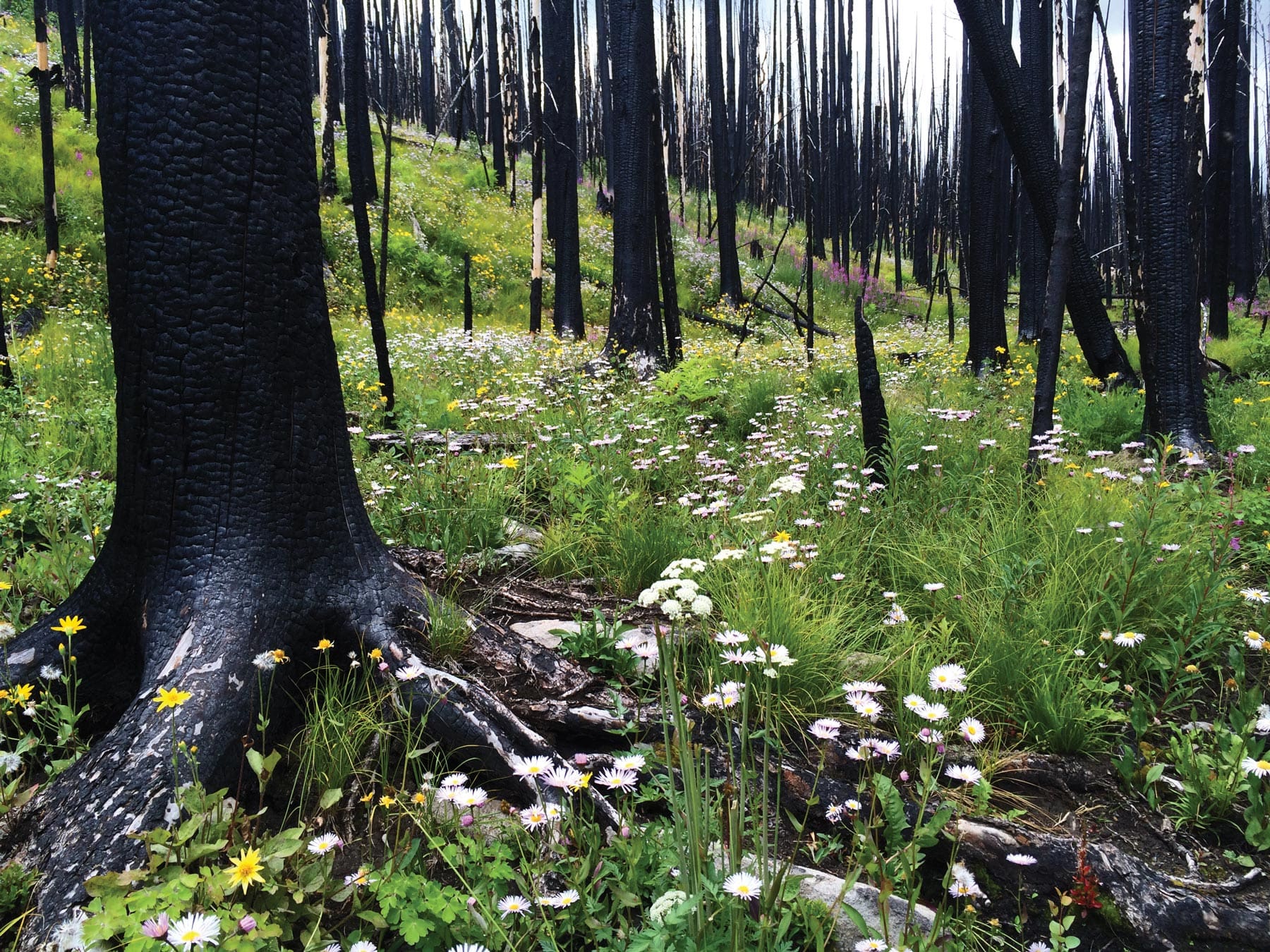
After the 2024 Durkee Wildfire, many landowners in eastern Oregon are left with a tough question: what do you plant after a fire?
Great Basin Seed has created a recommended seed list specifically for remediation, erosion control, and long-term recovery following the fire. Proactive landowners who begin seeding projects early can help stabilize soil, reduce erosion, restore forage and wildlife habitat, and mitigate flooding risks in burned areas.
These seed recommendations have two primary goals: rapid ground cover and erosion control to stabilize the landscape after fire.

Why Seeding After a Wildfire Matters
The land is very vunerable after a wildfire. It is important to quickly address two main goals:
1. Stop Erosion
Wildfires burn plants that usually keep soil safe from rain and runoff. Even small storms can cause a lot of erosion and sediment movement if there aren’t any grasses or plant roots to hold the ground together.
Flash flooding is also a common occurrence after wildfire because the natural mechanisms that slow and absorb rainwater have been burned away.
2. Combat Invasive Species
Burned ground creates the perfect opening for invasive weeds. These opportunistic species establish quickly and often outcompete desirable grasses and native plants.
Strategic reseeding introduces beneficial species that occupy the landscape first, helping suppress invasive weeds while rebuilding soil stability and ecological function.
Our Durkee Wildfire restoration seed recommendations were designed with these two critical objectives.
Proven Seed for Eastern Oregon
These seed recommendations include a combination of introduced and native species from Oregon and other western states selected for their adaptability to the climate, soils, and environmental conditions found throughout the region.
These species were chosen because they:
- Establish quickly to stabilize soil
- Provide ground cover
- Compete with invasive weeds
- Support wildlife habitat
- Perform well in foothill and mountain environments in eastern Oregon
By combining multiple species, the mix improves the likelihood that at least several plants will thrive under the variable conditions that follow a wildfire.
| Species | Approx. % by weight | Note |
|---|---|---|
| Hycrest Crested Wheatgrass | 15% | A hardy, fast establishing bunchgrass. One of the most common reclamation species in the West. Very drought tolerant. |
| Siberian Wheatgrass | 15% | Similar to Hycrest, this superb drought tolerant bunchgrass will persist on 7" of annual precipitation. |
| Slender Wheatgrass | 15% | A fast establishing and very popular bunchgrass that does well in a variety of soil types. Works very well at high elevation. Preferred by elk, deer and livestock. Seedlings are vigorous and provide good initial plant cover. Excellent for erosion control. |
| Intermediate Wheatgrass | 15% | A favorite and widely used rhizominous grass. Long lived with a deep, spreading root system. Excellent for soil stabilization. |
| Shoshone Sainfoin | 7% | A drought tolerant legume relished by wildlife. Nitrogen fixing. |
| Western Wheatgrass | 7% | Rhizominous native grass. Very hardy and long lived. Excellent of erosion control. |
| Yellow Sweet Clover | 5% | A deep-rooted bienial, widely used for erosion control and reclamation. |
| Sandberg Bluegrass | 5% | A hardy native. Excellent in dryland conditions. |
| Idaho Fescue | 4% | A fine-stemmed native grass excellent for erosion control. |
| Bottlebrush Squirreltail | 4% | A very drought tolerant bunchgrass. Hardy and widely used. |
| Basin Wildrye | 4% | A large-starred bunchgrass native to the Intermountain West. Important erosion control species, excellent avian and rodent cover. |
| Sand Dropseed | 4% | Long lived warm season bunchgrass. A prolific spreader. |
Wildflowers & Shrubs
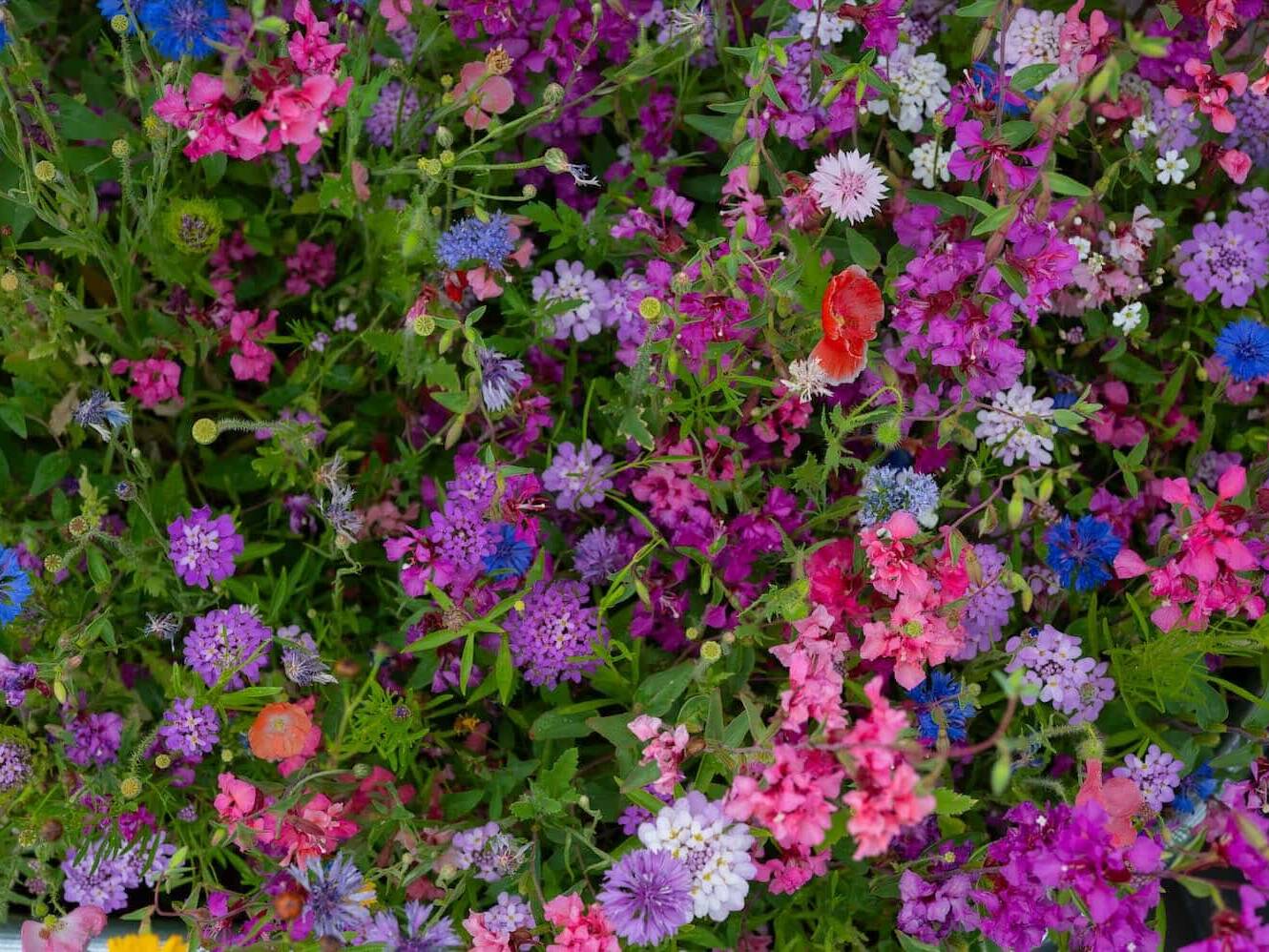
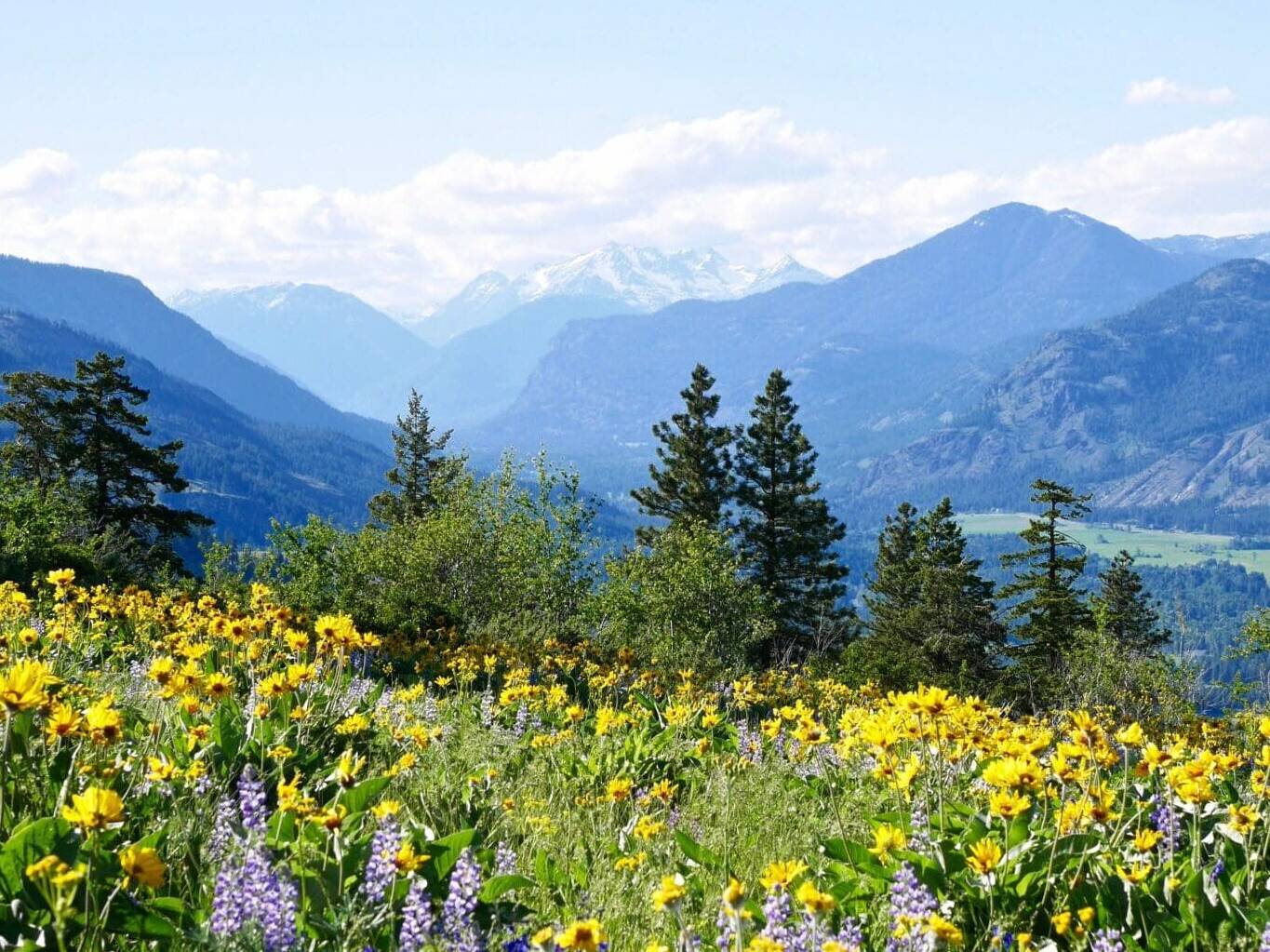
Consider planting wildflowers and/or shrubs with your seed mixes. Our Western Wildflower Mix, Firewise Wildflower Mix, and Mountain Wildflower Mix are excellent ready-made choices for your area and are beautiful in a wide range of ecotypes. They re-seed well and return year after year.
We Can Help Build the Right Mix for Your Property
Great Basin Seed can help formulate a mix specifically for your land using our recommended species as a starting point.
Our team is happy to walk with you through the restoration process and help you choose the right combination of seeds for your property.
📞 Call us at 435-283-1411 and we will help develop a custom post-fire seed mix for your land.
Eastern Oregon landscapes can quickly recover and continue to support robust wildlife habitat, productive pastures, and healthy soils with proactive restoration.