






Min. to Max. Annual Precipitation
30in.
Average Max. Height
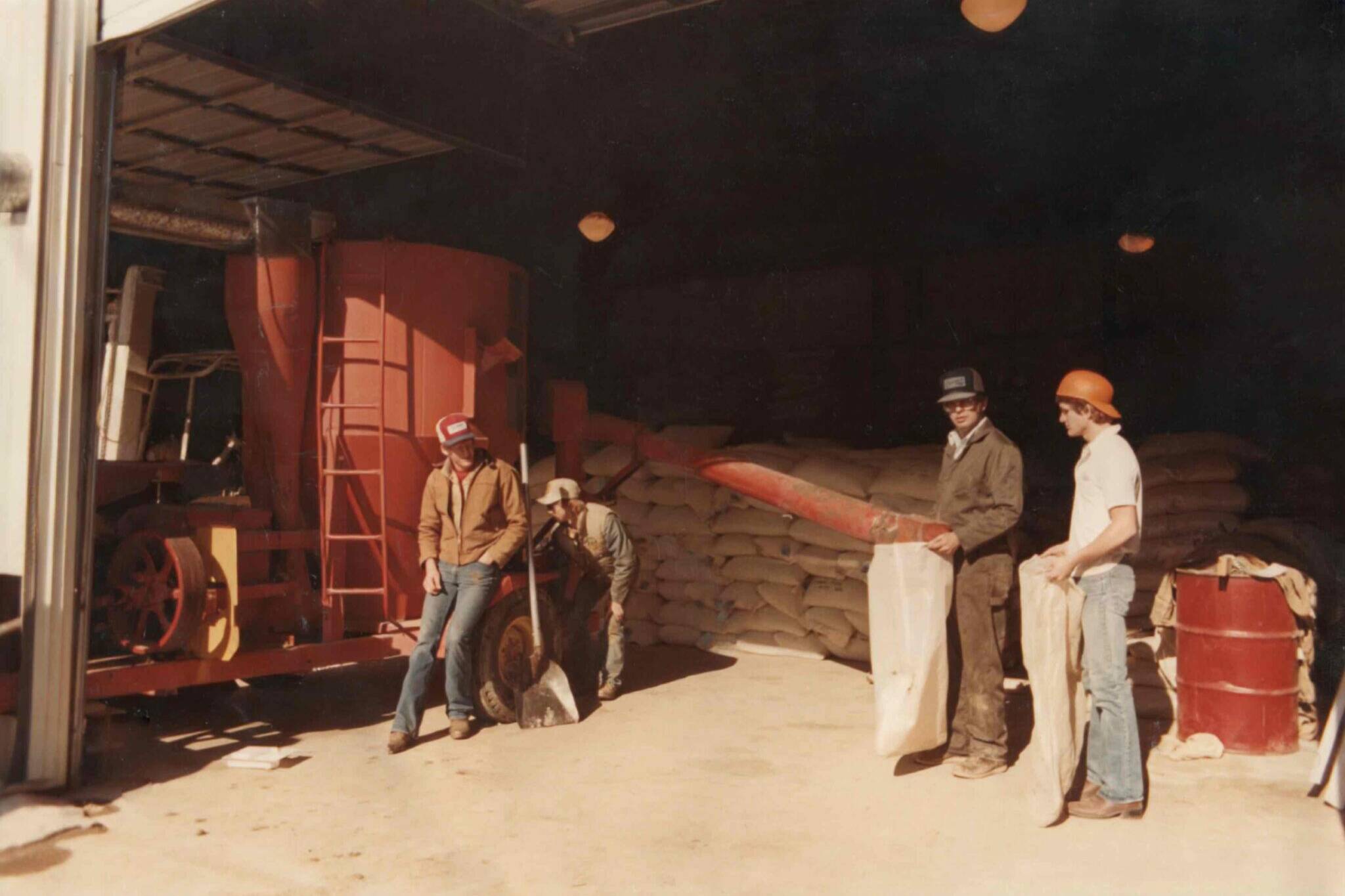
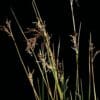
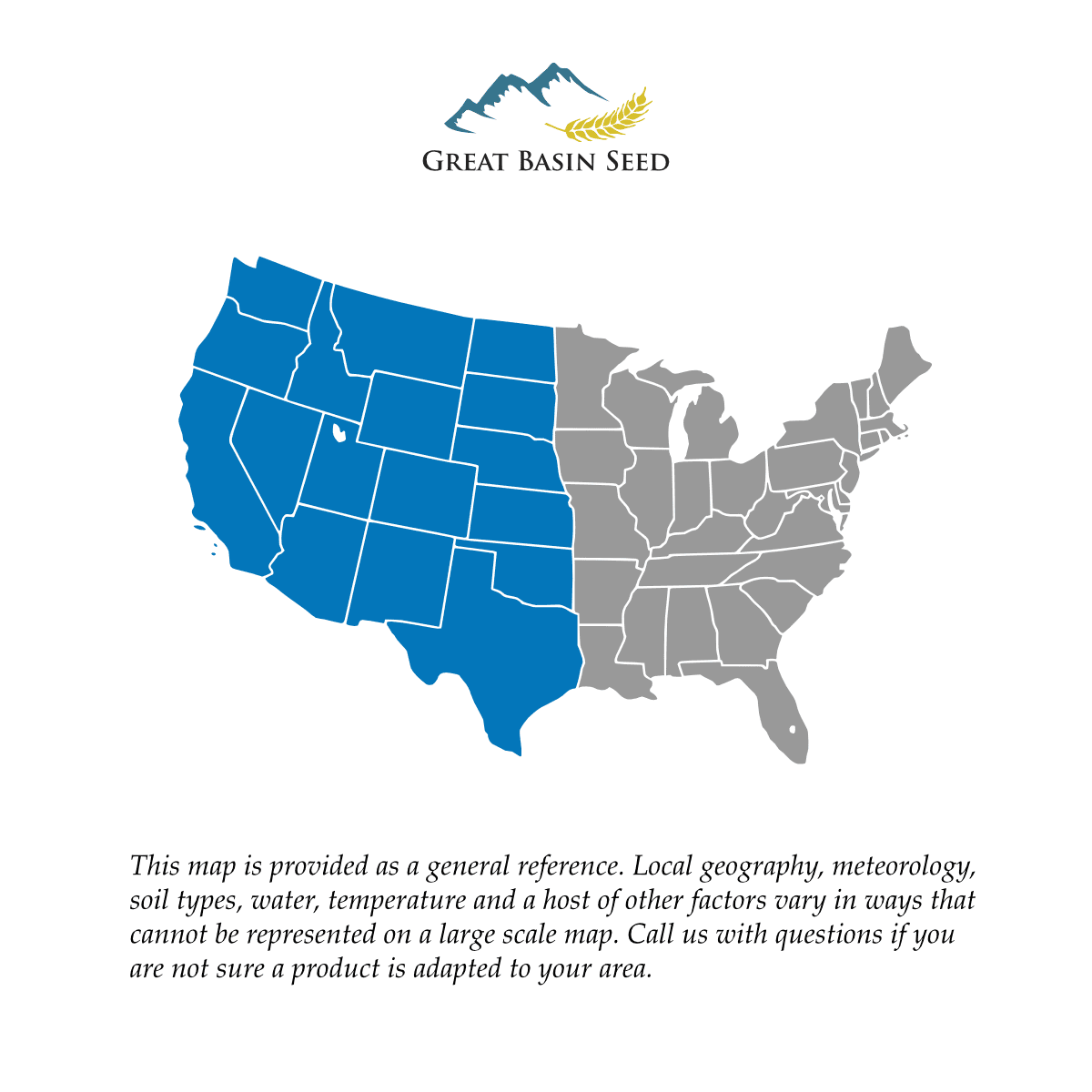
Baltic Rush (Juncus balticus) is a wetlands grass-like rhizomatous. This grass is a common and widely occurring in the western, midwestern, and central America as a wetland perennial. The most common and widespread rush is in the Intermountain and Great Basin areas.
General Description:
Baltic Rush (Juncus balticus) is a wetlands grass-like rhizomatous. This grass is a common and widely occurring in the western, midwestern, and central America as a wetland perennial. The most common and widespread rush is in the Intermountain and Great Basin areas.This grass is considered poor for livestock but good for wetland restoration for soil stabilization and plant diversity. This native plant is best sowed in the Spring or Fall.
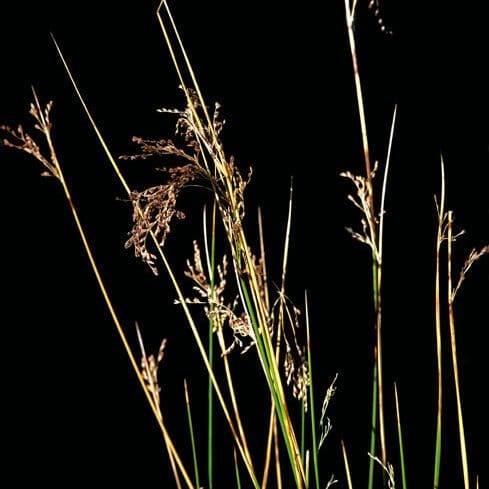
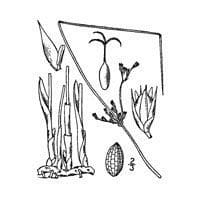
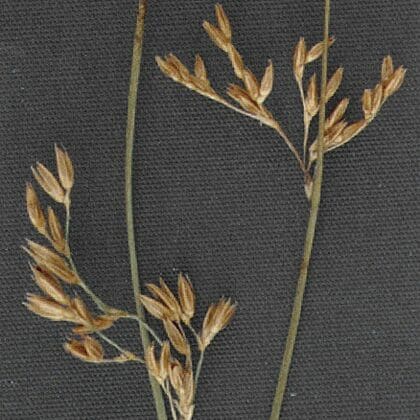
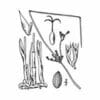
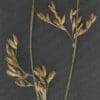
Baltic rush (Juncus balticus) is a perennial, rhizomatous, wetland plant. Rushes are grasslike, usually tufted herbs with terete leaves. The leaf sheaths are clustered at the base, 2-15 cm long, multi-colored from red to light to dark brown, and bladeless.
Baltic Rush is very tough and bred to survive in harsh, challenging sites.
Planting Conditions:
Juncus balticus is almost impossible to kill once it establishes. The best type of soil to plant baltic rush is saturated, poorly drained, or seasonally flooded soils. It handles saline and alkaline soils that are any where between clay, loamy, or sandy. It has a wide tolerance of pH 6.0-9.0. Baltic Rush loves constant moisture of shallow standing water. Once it is established it can handle some drought, but if drought is prolonged it will fail.
It needs full sun to do well but can tolerate partial shade Usually occurs in areas below 7,000 ft elevation.
Establishment:
Juncus balticus is slow at first with its growth above the ground. Below it is developing quickly, trying to spread those roots. Most of the energy is used to develop the rhizome expansion. For year two the stems begin to thicken and stand grows a bit thicker, by year three the plant has developed a strong presence and expansion in planted area.
Once seed is planted soils should be kept saturated for at least the first 6-10 weeks. don’t allow the soil to dry out. if the soil drys out before the roots have established the plant won’t do well if it survives. Baltic Rush can tolerate 2.5- 8 centimeters of standing water.
Uses:
Wildlife habitat and food, erosion prevention, sediment retention, basketry, food, tatami mats, and nutrient transformation. It has nitrogen-fixing capabilities. They are useful for stabilization and revegetation of disturbed areas. These plants can be invasive.
Seeding Rate:
5 pounds per acre
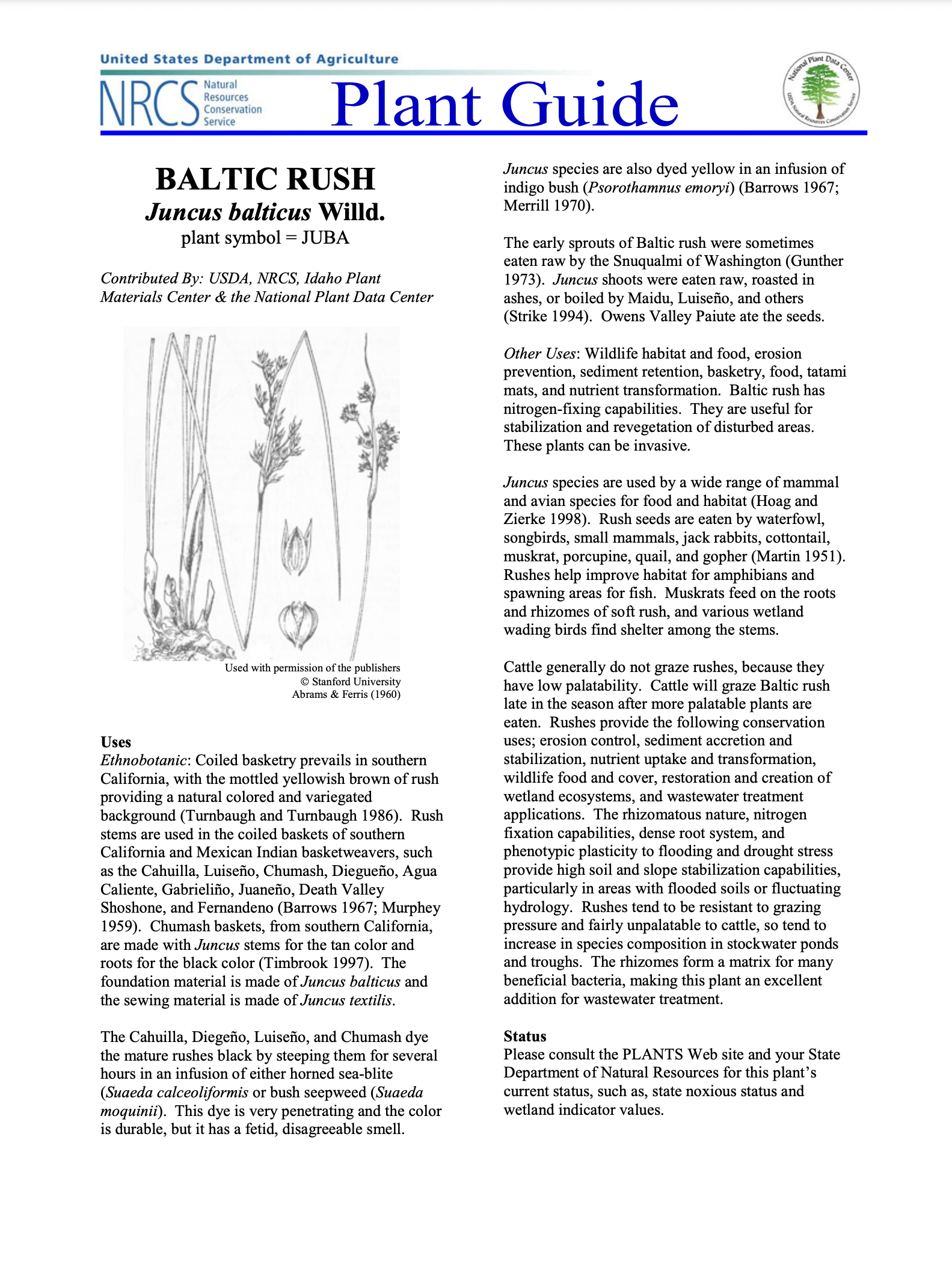
BALTIC RUSH
(Juncus balticus)
Baltic Rush NRCS Plant Guide Sheet
Baltic Rush NRCS Plant Guide Sheet
PDF version of NRCS Plant Guide & Fact Sheet
Prepared By: Michelle Stevens formerly USDA, NRCS, National Plant Data Center
Chris Hoag, Riparian/Wetland Plant Development Project USDA-Natural Resources Conservation Service, Plant Material Center, Aberdeen, Idaho
Species Coordinator: M. Kat Anderson USDA, NRCS, National Plant Data Center c/o Environmental Horticulture Department, University of California, Davis, California
Helpful Links
Additional information about this product can be found on the academic websites linked below.
Synonyms
Many plants have more than one common and scientific name. We've listed a few of them below.
- Baltic Rush
- Juncus balticus
Who is Great Basin Seed?
Great Basin Seed is a seed company that specializes in seed sales and consultation for home, ranch, farm, range and reclamation. We have been a leader in the seed industry since 1974.
Our History
We've been in the seed business since 1974.
What We Offer
We offer seed for home, farm, ranch, range and reclamation projects.
Meet the Gang
We have the best employees in the world! We are proud of the work they do, and trust them to serve you!
Right: Company founder Lloyd and his wife Paula Stevens in a wildflower seed production field circa 1977
Quick Plant Facts
| Root Form | Sodformer |
|---|---|
| Min. Precipitation | 7 Inches or more |
| Best SowingTime | Spring or Fall |
| Plant PDF File | juba.pdf |
| Sowing Rate | 1-2 PLS lbs. per Acre |
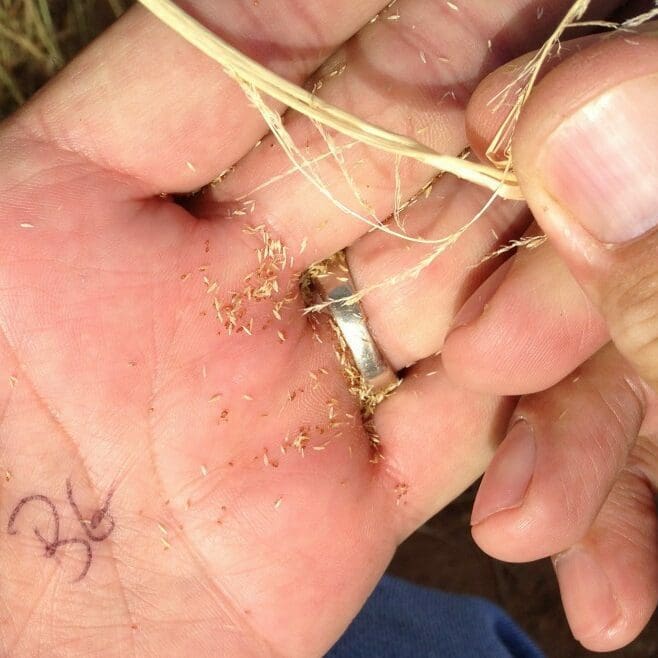
| Seed Count | 6,000,000 seeds/lb. |
| Growth Height: | |
| Plant Type: | |
| Origin: | |
| Lifespan: | |
| Max Sowing Depth: | |
| Common Name: | Baltic Rush, mountain rush, valley rush, wire rush |
| Scientific Name: | |
| Growth Season: | |
| Sun & Shade Tolerance: | Part Sun, Very Shade Tolerant |
| Elevation of Occurance: | |
| pH Tolerance: | |
| Hardiness Zones: |