






Alkali Sacaton
 Price range: $36.00 through $62.00
 - Scientific name: Sporobolus airoides
- Used for erosion control
- Excellent for range and habitat improvement
- Tough, warm-season perennial bunchgrass
- Tolerant of salinity and a broad range of pH
- Good drought and salt tolerance
Min. to Max. Annual Precipitation
48in.
Average Max. Height
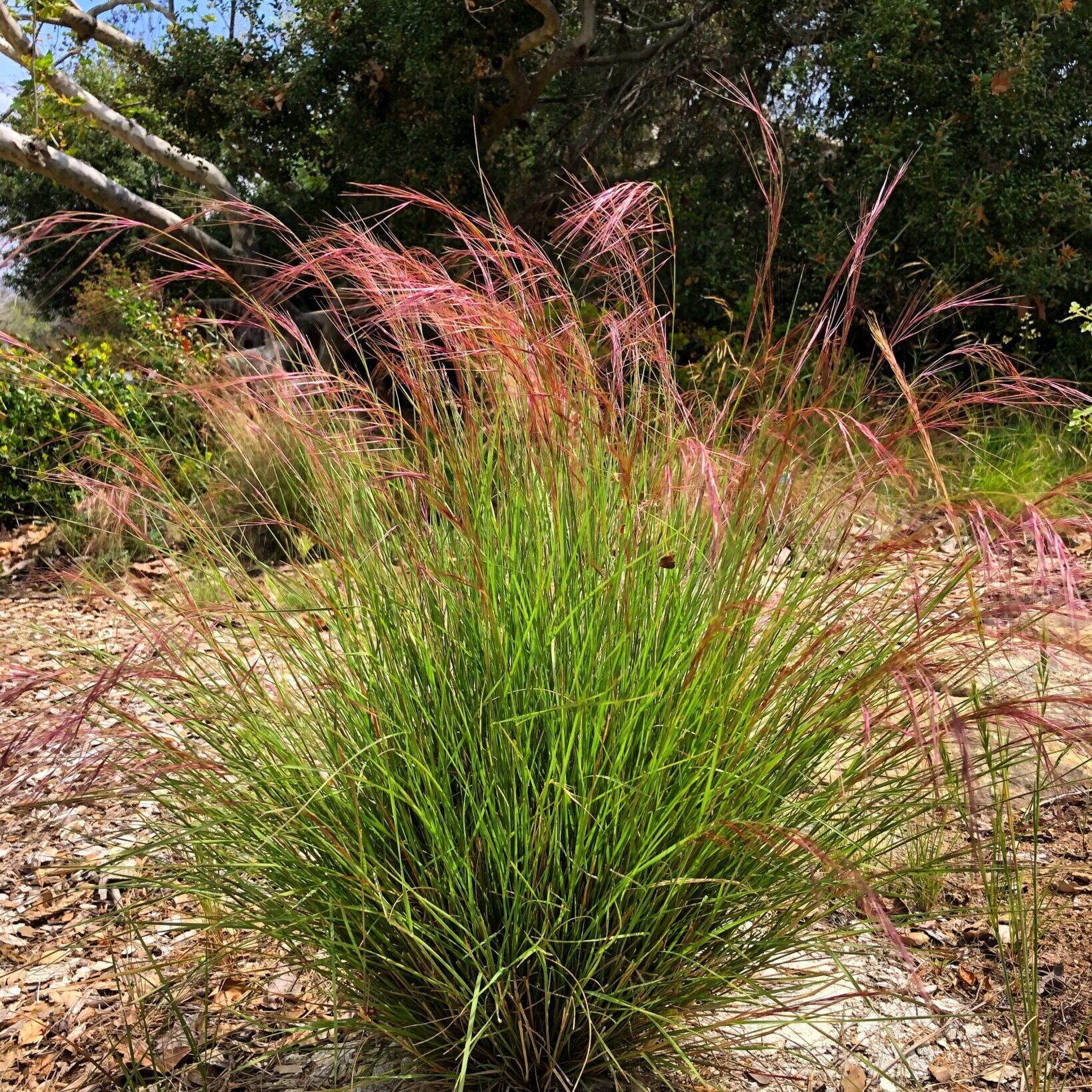
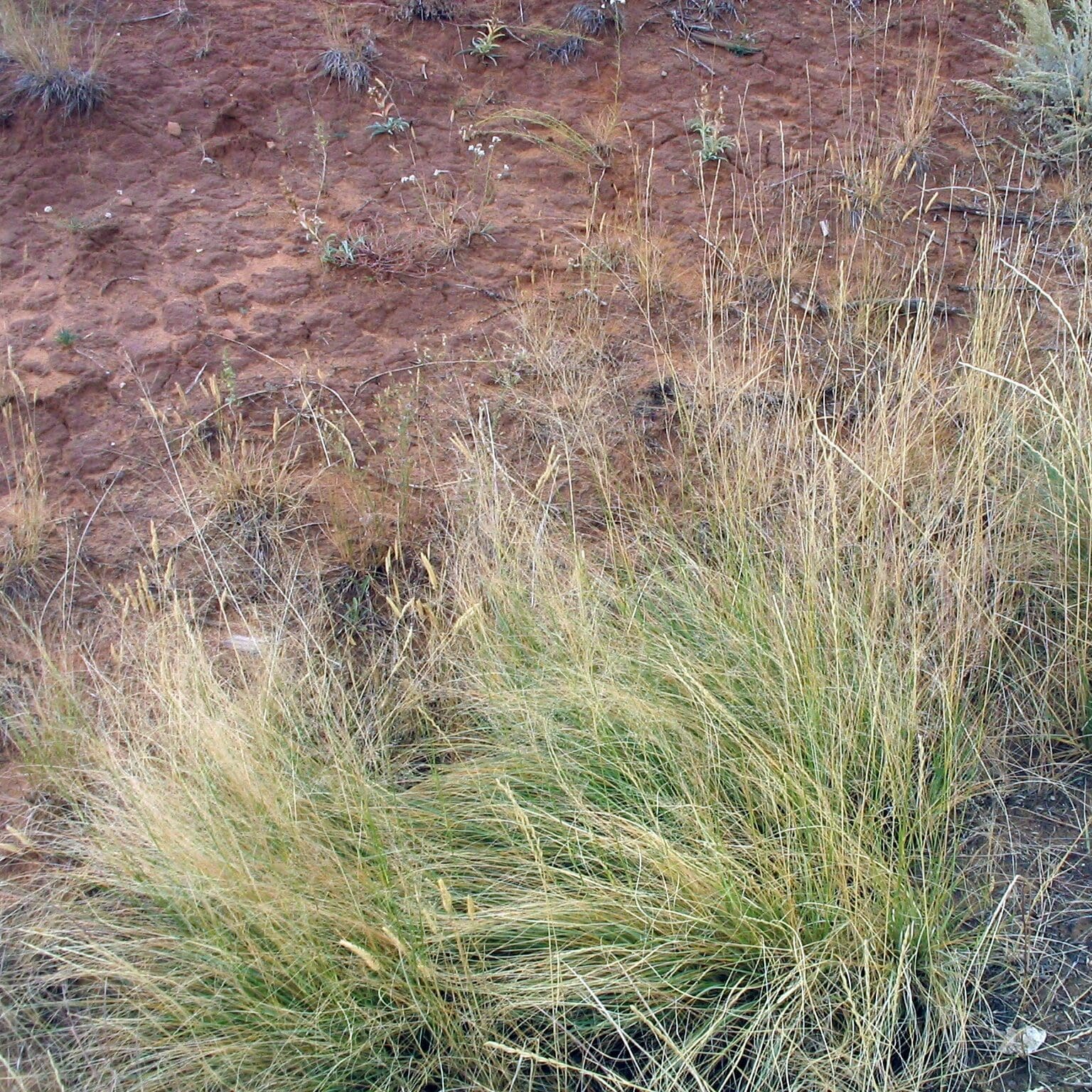
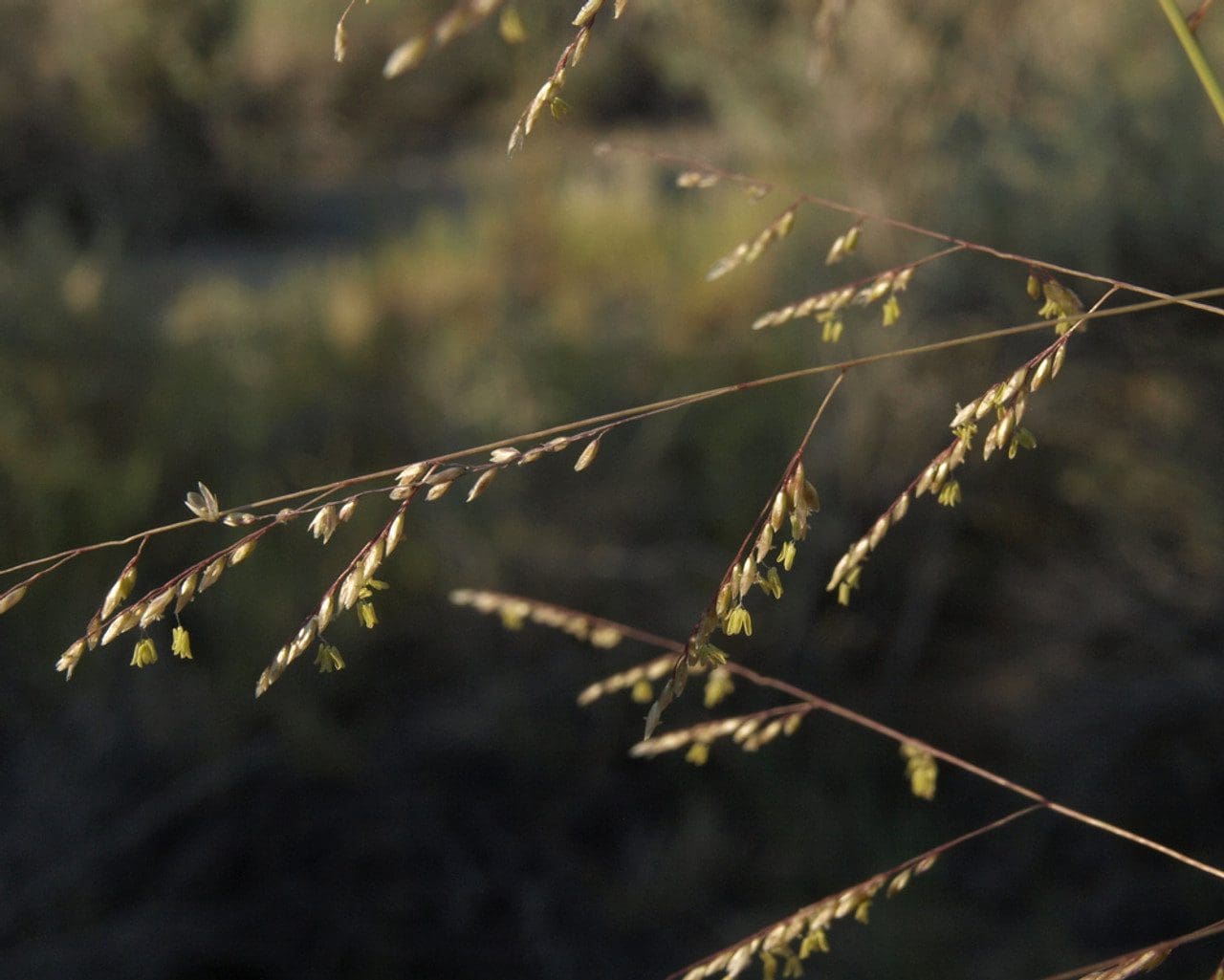
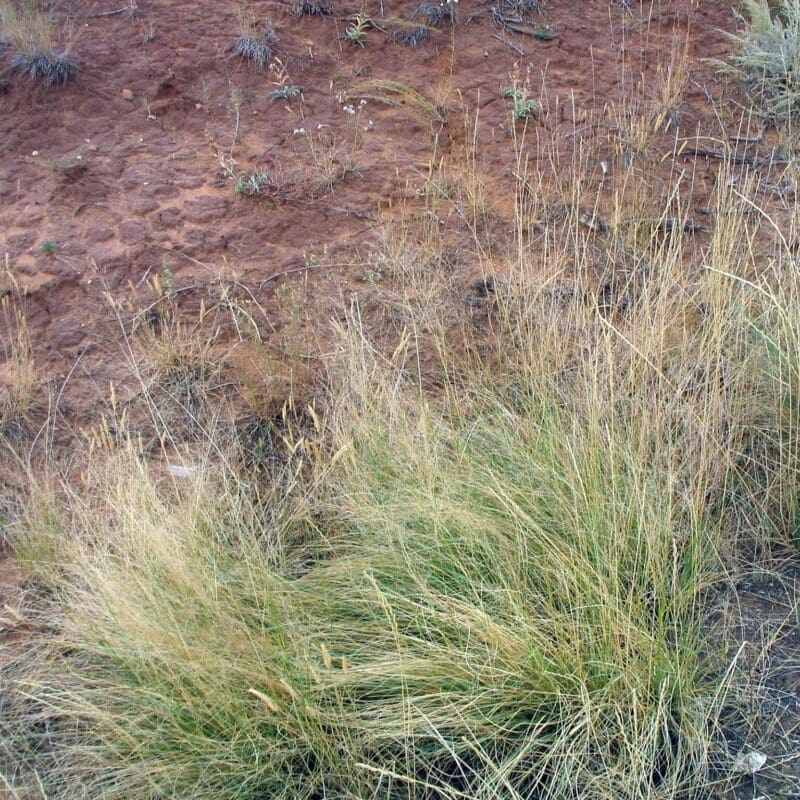
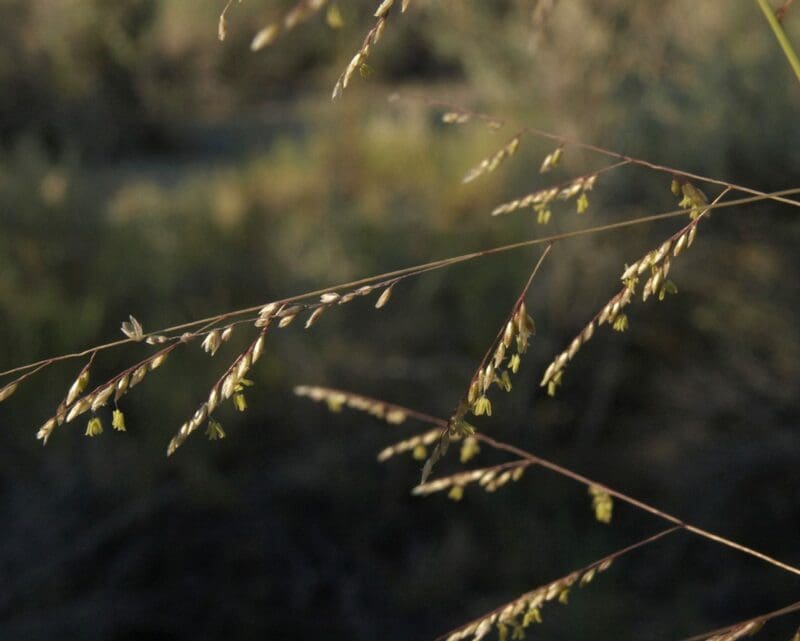
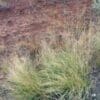
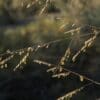
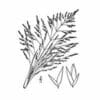
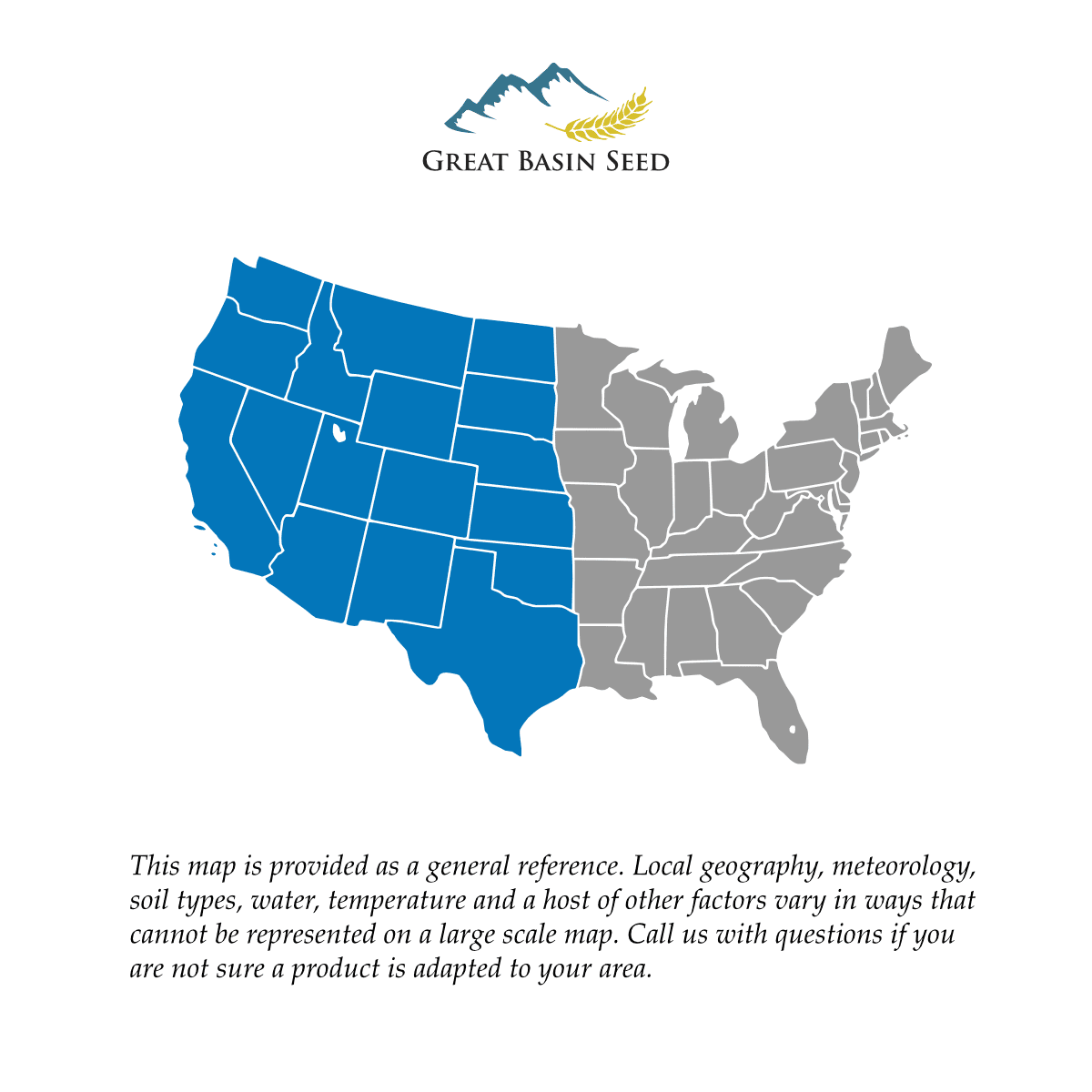
Alkali Sacaton (Sporobolus airoides) is a native warm season grass It is a tough perennial bunchgrass with a mature height ranging from 2 – 4 feet tall. It is found in the western half of the United States and grows in both saline and nonsaline coarse, medium, and fine textured soils. It is tolerant of salinity and a broad range of pH. After establishment, alkali sacaton is tolerant of drought and water inundation. However, it is intolerant of shade and is found growing in open areas. This is a tough perennial.
For quick plant facts please click on the “Quick Plant Facts” tab.
General Description:
Alkali Sacaton (Sporobolus airoides) is a native warm season grass It is a tough perennial bunchgrass with a mature height ranging from 2 – 4 feet tall. It is found in the western half of the United States and grows in both saline and nonsaline coarse, medium, and fine textured soils. It is tolerant of salinity and a broad range of pH. After establishment, alkali sacaton is tolerant of drought and water inundation. However, it is intolerant of shade and is found growing in open areas. This is a tough perennial.
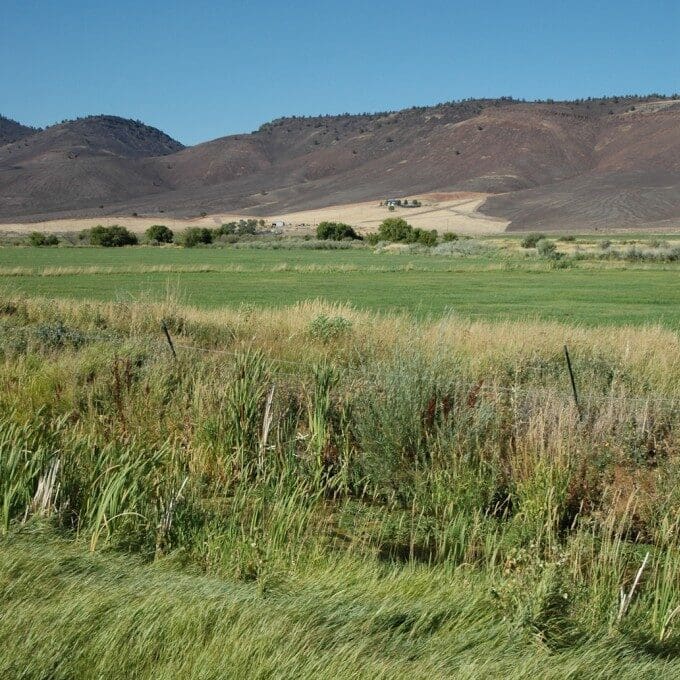
Alkali sacaton (Sporobolus airoides) grows on dry to moist sites with sand or gravelly soil. This species is often found growing on alkaline flats, prairies, and sandy plateaus. It is common along drainage in desert and semi-desert areas. It is an important forage species in the arid and semiarid regions of the Southwest United States. It is both salt and alkali tolerant and will grow in areas with a minimum of 12 inches of precipitation each year.
The grass is tolerant of moderate grazing and a good forage producer. It has the ability to efficiently use extra water during forage production. It is tolerant of fire but can be killed if the fire is severe. Fire recovery has been reported from 2 to 4 years. Summer fires have more of an effect than winter fires.
This plant has historically seen some ethnobotanic use. The Hopi Indians use the seeds in times of famine. They were ground into flour, eaten dry or made into a mush.
Alkali sacaton is considered a primary or secondary invader on saline soils.
Uses:
Alkali sacaton is good forage for horses and cattle in the far western United States in arid or semiarid regions. It is also a source of food for deer, small mammals , birds (game and non game), and waterfowl. It is relished by jackrabbits. Commonly used for erosion control, ranges, and habitat improvement.
It is also frequently utilized for seeding and stabilizing disturbed areas. Due to its salt tolerance, it is recommended for seeding saline sites such as oil well pits and saline waste from power generating plants.
Planting Conditions:
Alkali Sacaton survive in a wide range of conditions. It does well in heat, drought, high salinity, and high alkalinity. It thrives in heavy clays, draining basins, and alkali bottoms. It can survive in sandy or loamy soils but does best when a high pH is present. It can tolerate flooding but the soil needs to dry out afterward.
Establishment:
Early establishment is slow so give it time in the beginning. Don’t plant deeper than 1/4″ and don’t bury the seed. Make sure to plant in a firm, weeds free preped site. It will struggle if it has competition right off the bat.
The best time to plant is late fall or early spring. Light irrigation for the first 6-8 weeks helps performance. Once it has fully established it is drought tolerant.
Seeding Rate:
5-6 pounds per acre
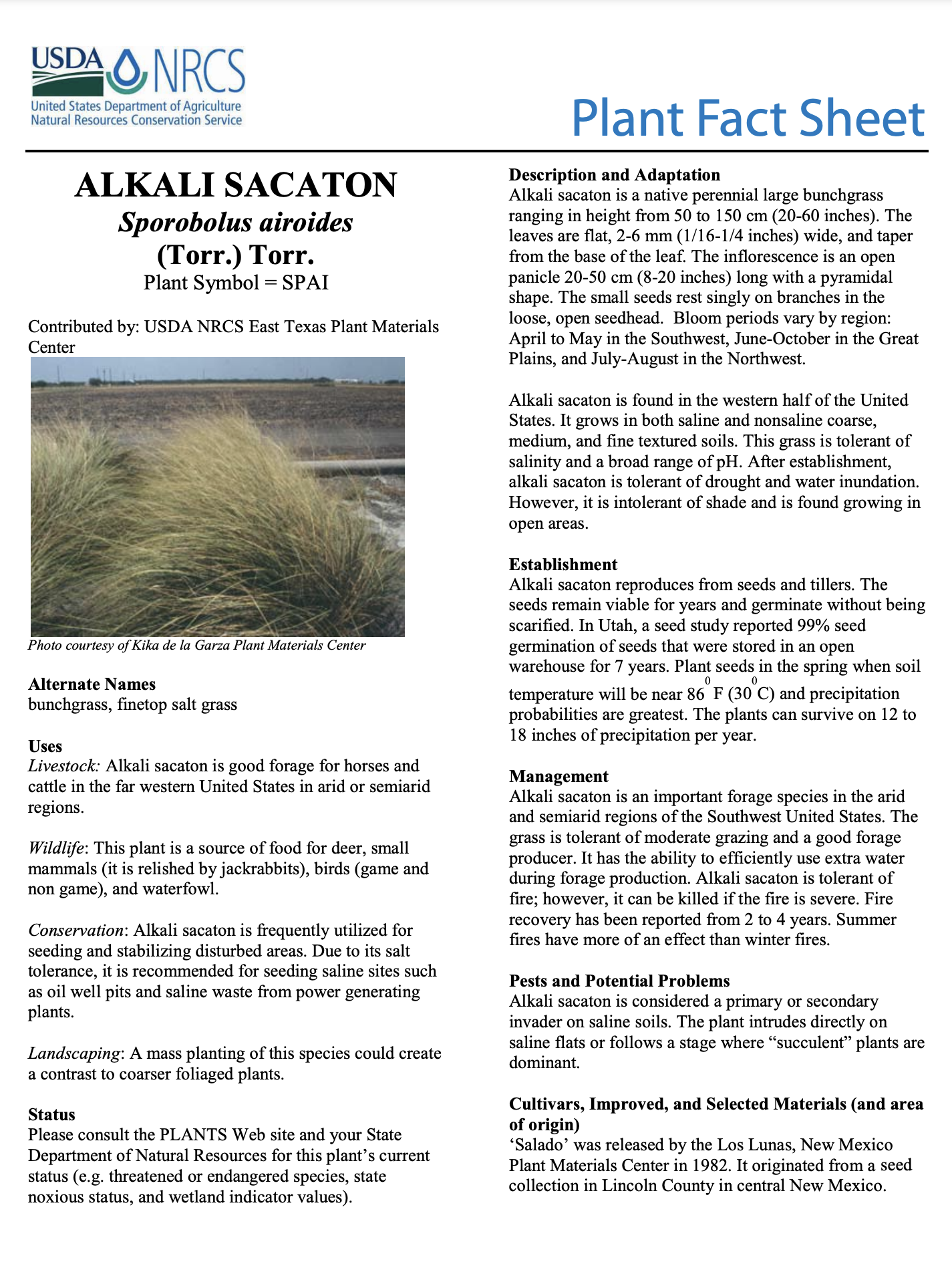
ALKALI SACATON
(Sporobolus airoides)
Alkali Sacaton Plant Fact Sheet from the NRCS
Alkali Sacaton Plant Fact Sheet from the NRCS
NRCS Plant Fact Sheet
Prepared By: Melina Brakie, USDA NRCS East Texas Palnt Materials Center, Nacogdoches, Texas
Species Corrdinator: M. Kat Anderson, USDA, NRCS, National Plant Data Center, c/o Plant Sciences Dept., Davis, California
Helpful Links
Additional information about this product can be found on the academic websites linked below.
Synonyms
Many plants have more than one common and scientific name. We've listed a few of them below.
- Alkali Sacaton
- Agrostis airoides
- Sporobolus airoides
Who is Great Basin Seed?
Great Basin Seed is a seed company that specializes in seed sales and consultation for home, ranch, farm, range and reclamation. We have been a leader in the seed industry since 1974.
Our History
We've been in the seed business since 1974.
What We Offer
We offer seed for home, farm, ranch, range and reclamation projects.
Meet the Gang
We have the best employees in the world! We are proud of the work they do, and trust them to serve you!
Right: Company founder Lloyd and his wife Paula Stevens in a wildflower seed production field circa 1977
Quick Plant Facts
| Common Name: | Alkali Sacaton |
|---|---|
| Scientific Name: | |
| Lifespan: | |
| Origin: | |
| Plant Type: | |
| pH Tolerance: | |
| Seed Count | 1758000 |
| Growth Height: | |
| Root Form | Bunchgrass |
| Sowing Rate | 2-3 PLS lbs. per Acre |
| Min. Precipitation | 6 Inches Minimum |
| Best SowingTime | Late Summer |
| Max Sowing Depth: | |
| Growth Season: | |
| Sun & Shade Tolerance: | Shade Intolerant |
| Elevation of Occurance: | |
| Available Varieties: | |
| Hardiness Zones: | |
| Select a Package Size and Quantity | 8 oz. Pouch (0.50 lbs.), 1 lb. (by the pound) |