






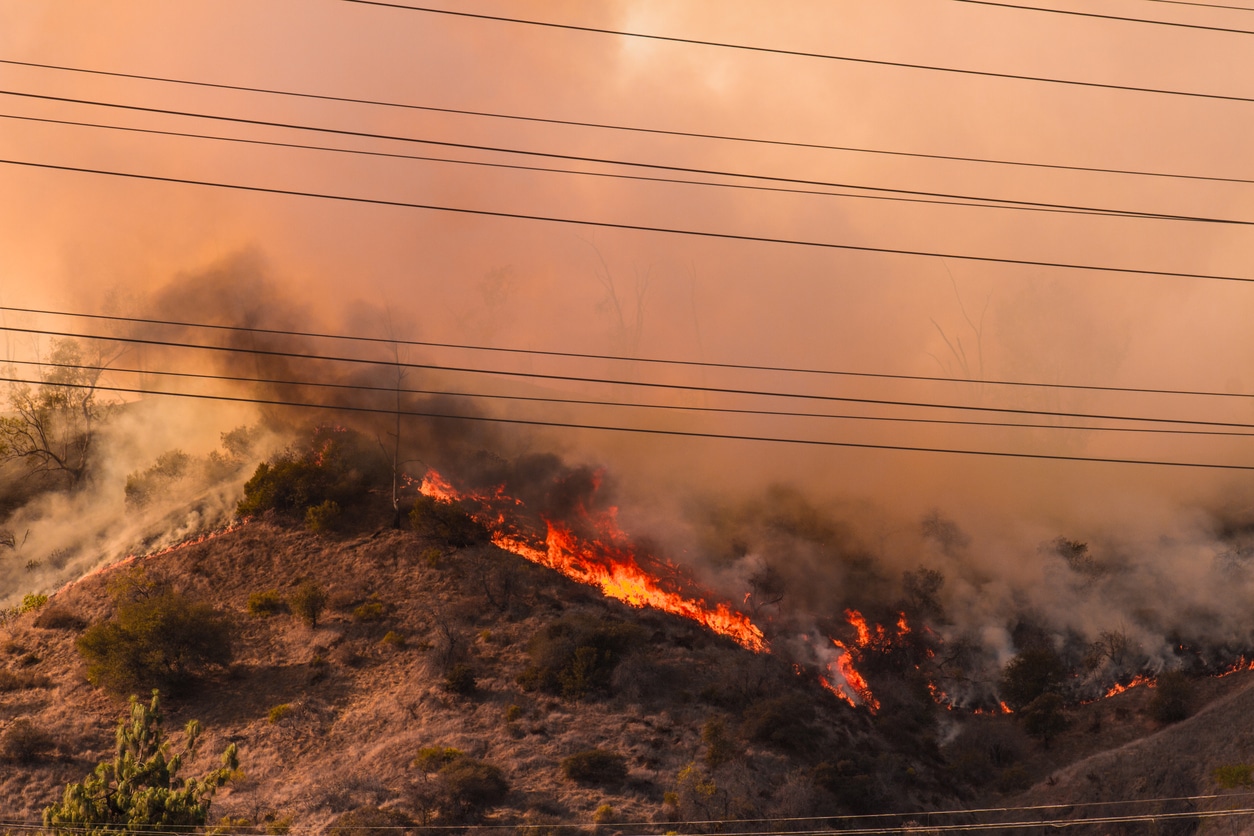
Recovering land after the Borel Wildfire? Learn which seed mixes are recommended for erosion control, weed suppression, soil stabilization, and long-term revegetation in the Havilah, California area.
Replanting After the Borel Fire: Where to Start
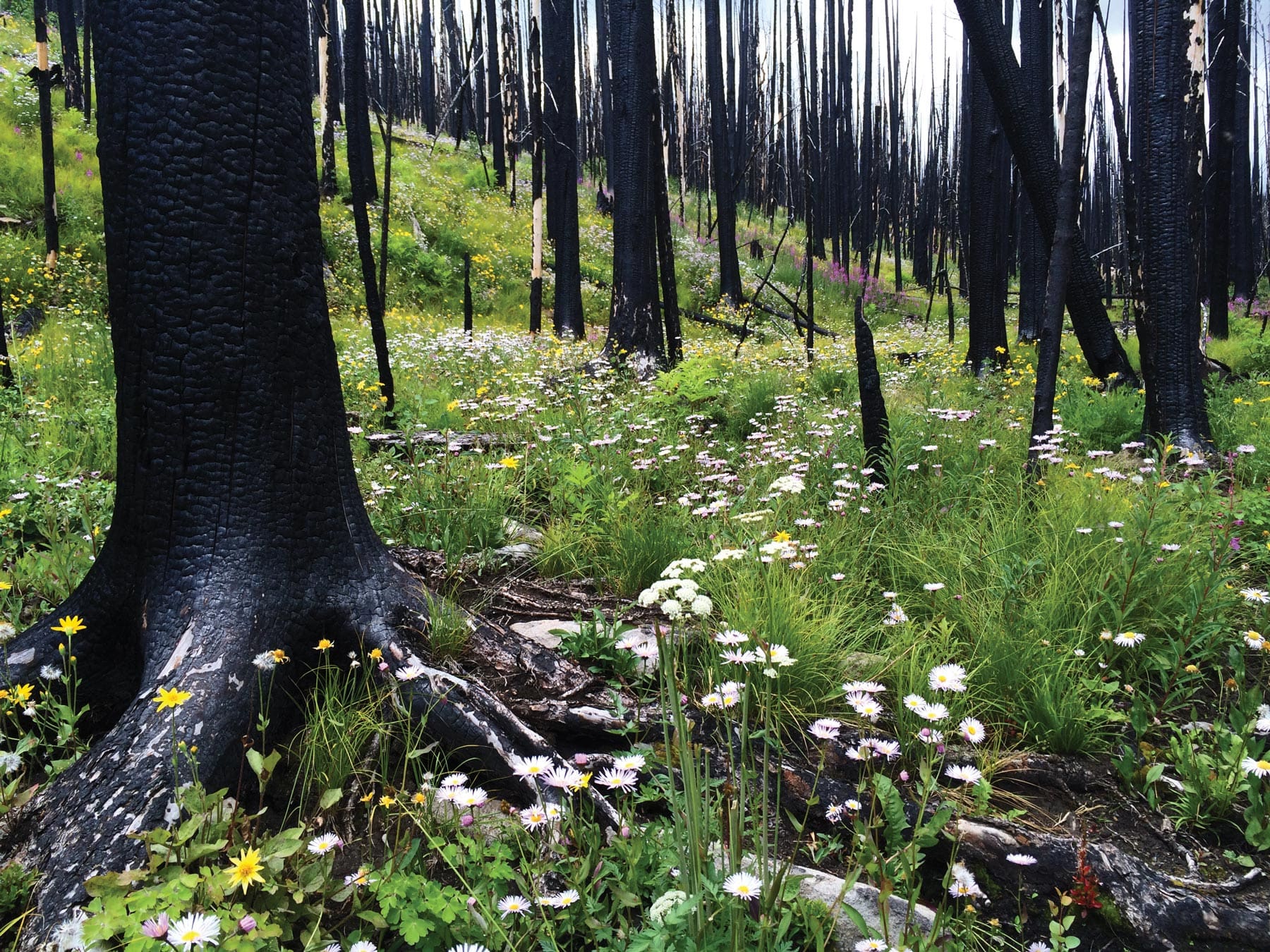
The first growing season matters after a wildfire. Burned ground is vulnerable to erosion, flooding, invasive weeds, and loss of forage and wildlife habitat. For landowners affected by the 2024 Borel Wildfire in Kern County, California, near Havilah, California, choosing the right seed mix can help protect exposed soil and begin the long process of recovery.
The goal is not simply to “green up” the land. A good post-fire seed mix should help stabilize soil, provide ground cover, compete with invasive weeds, and reintroduce species that are adapted to the local climate and conditions. In dry California foothill and rangeland areas, drought tolerance is especially important.
Great Basin Seed has developed Borel Wildfire Seed Mix options for the areas impacted by the 2024 Borel Fire. These mixes are developed for remediation, erosion control and revegetation using native and introduced species in the California region.
Why Seeding Matters After a Wildfire
Wildfires remove the plant cover, roots, litter and organic material that normally slow runoff and hold the soil in place. Without that protection, rain can sweep across the landscape, carrying ash, sediment and topsoil downhill. This is why the phrase “floods follow fires” is so common in wildfire recovery.
Seeding can help by establishing new plant cover and roots. The goals include:
- Reducing erosion on burned or exposed soil
- Helping slow runoff
- Competing with invasive weeds
- Rebuilding forage for livestock and wildlife
- Restoring habitat
- Improving the appearance and long-term value of damaged land
Recommended Seed Mixes for the Borel Fire Area
Great Basin Seed has collaborated with local NRCS offices to put together a recommended seed mix for after the Borel Wildfire. We’ve included two options for those customers who value native species and those who want quick establishment.
1. Borel Wildfire Native and Introduced Mix
This is the most practical option for many landowners who want a strong combination of quick establishment, erosion control, and long-term ground cover. It includes both native and introduced species selected for drought tolerance and performance in the Havilah area.
This mix is especially useful where quick establishment is important. Some introduced reclamation grasses are commonly used because they establish quickly, tolerate dry conditions, and help provide early cover while longer-lived species develop.
Borel Wildfire Native and Introduced Mix
| Species | Approx. % by weight | Note |
|---|---|---|
| Slender Wheatgrass | 20% | A fast establishing and very popular bunchgrass that does well in a variety of soil types. Works very well at high elevation. Preferred by elk, deer and livestock. Seedlings are vigorous and provide good initial plant cover. Excellent for erosion control. |
| Crested Wheatgrass | 18% | A hardy, fast establishing bunchgrass. One of the most common reclamation species in the West. Very drought tolerant. |
| Siberian Wheatgrass | 10% | Similar to Hycrest, this superb drought tolerant bunchgrass will persist on 7" of annual precipitation. |
| Smooth Brome | 8% | A fast-spreading rhizominous grass. Excellent for erosion control. |
| Yellow Sweet Clover | 8% | A deep-rooted bienial, widely used for erosion control and reclamation. |
| Bluebunch Wheatgrass | 8% | A long-lived cool season perennial. It is cold tolerant, moderately shade tolerant, and highly fire tolerant. |
| California Bromegrass | 8% | A native bunchgrass great for erosion control and revegetation of damaged land, as well as a highly palatable forage for livestock. |
| Basin Wildrye | 5% | Excellent erosion control and soil stabilization. Quite fire tolerant. |
| Cicer Milkvetch | 5% | A long-lived, perennial, non-bloat legume. Vigorous creeping roots. |
| Indian Ricegrass | 3% | A long-lived hardy native that excels in sandy soils. |
| Sideoats Grama | 3% | A hardy native that emerges early and stays green through dry seasons. Excellent in dryland conditions. |
| Inland Saltgrass | 2% | Quite resistant to fire and trampling and provides soil stabilization in wet areas. |
| Alkali Sacaton | 2% | Tolerates a broad range of soils, a tough warm-season bunchgrass. Used widely for erosion control. |
2. Borel Fire Native Mix
The Borel Fire Native Mix is a good option for landowners who prefer a native-focused restoration approach. It includes species native to California and the broader western region, with an emphasis on drought tolerance, soil stabilization, and long-term ecological recovery.
This mix is a good choice when your main goals are:
- Native plant restoration
- Long-term habitat value
- Lower-input revegetation
- Pollinator and wildlife support
- A more naturalized post-fire recovery approach
Native mixes may take more patience, but they can be a strong choice for landowners focused on long-term ecological restoration and compatibility with the surrounding landscape.
Borel Wildfire Native Seed Mix
| Species | Approx. % by weight | Note |
|---|---|---|
| Slender Wheatgrass | 20% | A fast establishing and very popular bunchgrass that does well in a variety of soil types. Works very well at high elevation. Preferred by elk, deer and livestock. Seedlings are vigorous and provide good initial plant cover. Excellent for erosion control. |
| Bluebunch Wheatgrass | 15% | A long-lived cool season perennial. It is cold tolerant, moderately shade tolerant, and highly fire tolerant. |
| California Bromegrass | 15% | A native bunchgrass great for erosion control and revegetation of damaged land, as well as a highly palatable forage for livestock. |
| Indian Ricegrass | 12% | A long-lived hardy native that excels in sandy soils. |
| Sideoats Grama | 12% | A hardy native that emerges early and stays green through dry seasons. Excellent in dryland conditions. |
| Sand Dropseed | 10% | A long-lived perennial warm season bunchgrass, native throughout North America |
| Inland Saltgrass | 3% | Quite resistant to fire and trampling and provides soil stabilization in wet areas. |
| Alkali Sacaton | 3% | Tolerates a broad range of soils, a tough warm-season bunchgrass. Used widely for erosion control. |
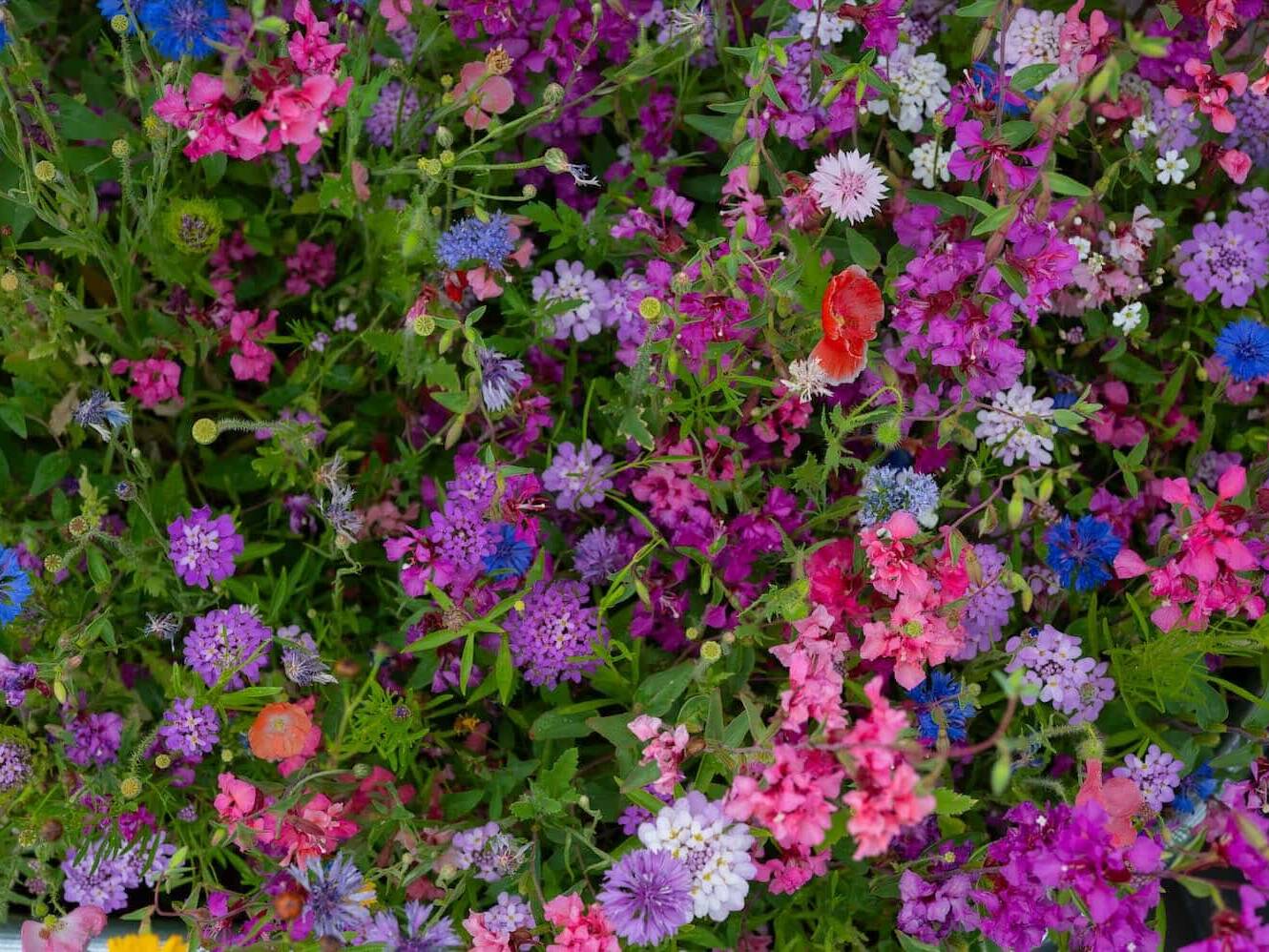
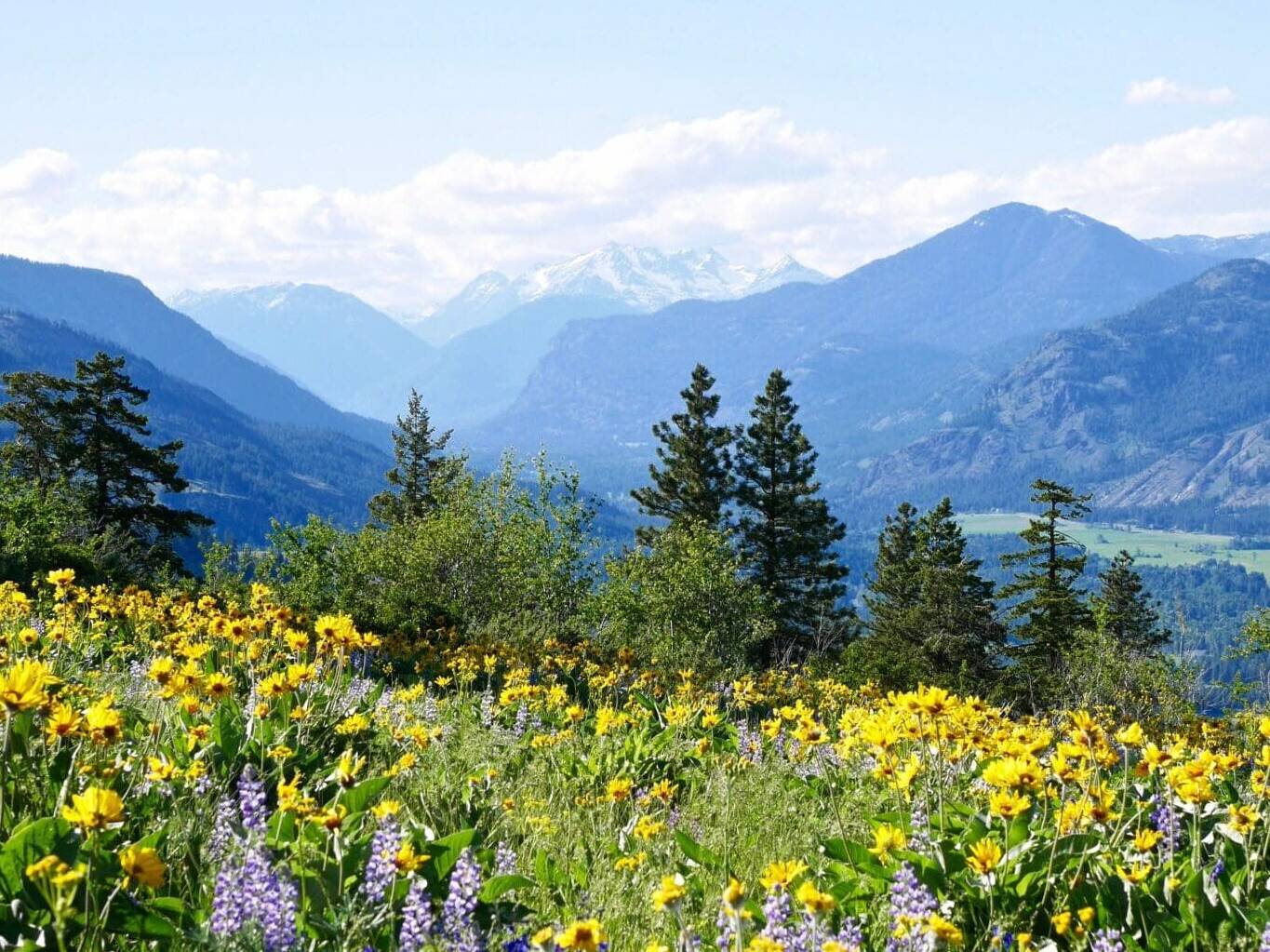
Consider adding shrubs and wildflowers
Grasses are frequently used for erosion control, but shrubs and wildflowers can provide long-term habitat value, pollinator support, and visual recovery. For larger restoration projects, a layered approach of grasses, forbs, and shrubs may be the most effective long-term strategy.
We Can Help Build the Right Mix for Your Property
Great Basin Seed can help formulate a mix specifically for your land using our recommended species as a starting point.
Our team is happy to walk you through the restoration process and help you select the best seed combination for your property.
📞 Call us at 435-283-1411 and we will help develop a custom post-fire seed mix for your land.
California landscapes can quickly recover and continue to support robust wildlife habitat, productive pastures, and healthy soils with proactive restoration.
Seeding Guidelines
Most wildfire reclamation mixes are seeded at approximately:
Seeding Rate: 20 lbs. per acre
Actual rates and species ratios can vary depending on your soil type, slope, rainfall, and land use goals, which is why custom formulation can be beneficial.
Tips for Successful Seeding After a Fire
Plant a variety of species
Don’t be afraid to plant a combination of natives and non-natives and a mixture of species. Diversity increases your chances for success.
Consider adding shrubs and wildflowers
Shrubs and wildflowers help stabilize soil, attract pollinators, and add to the diversity of the ecosystem.
Address vulnerable slopes early
Steep slopes and drainage areas are more prone to erosion after wildfire and benefit from quick vegetation establishment.