







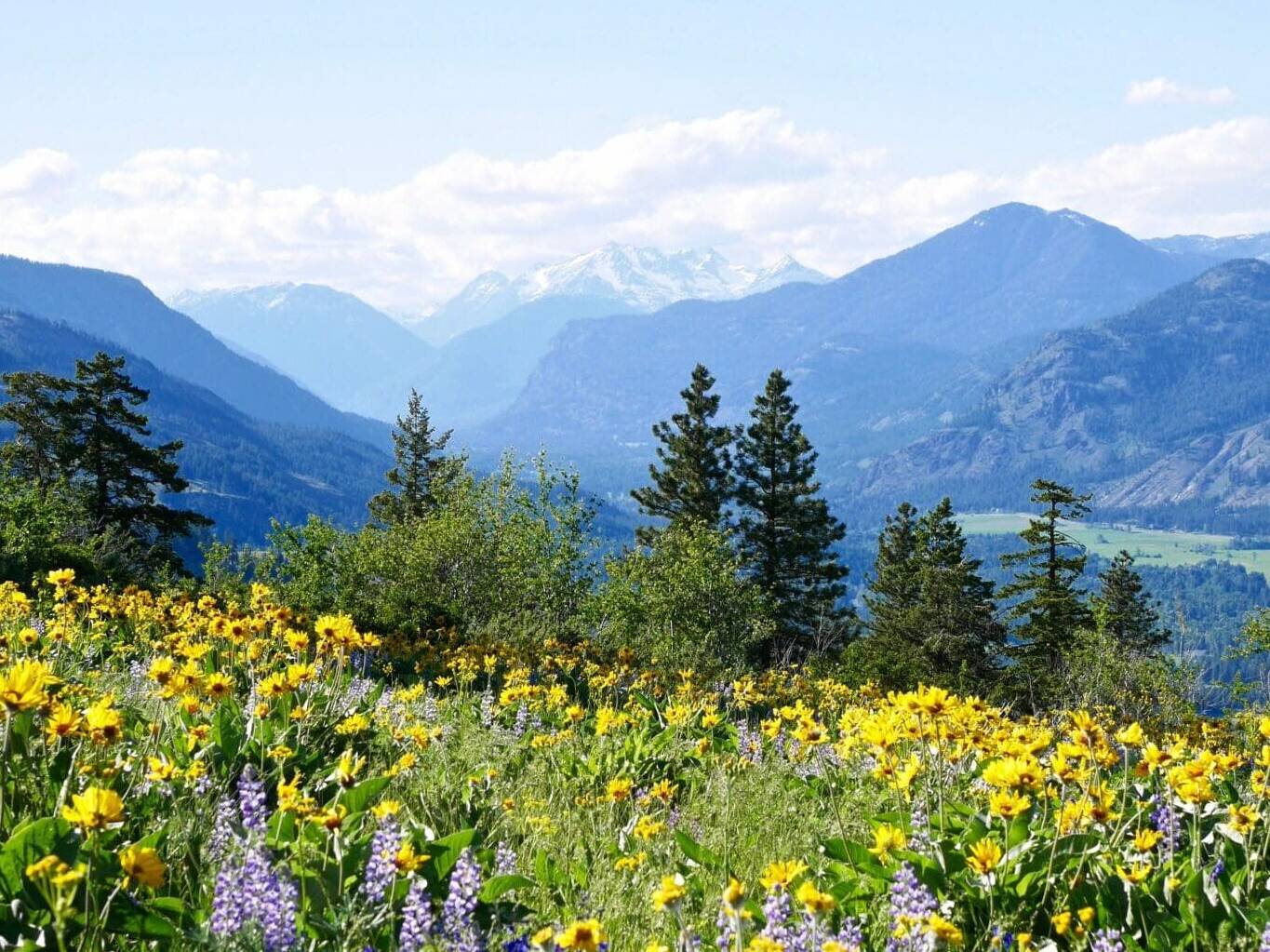
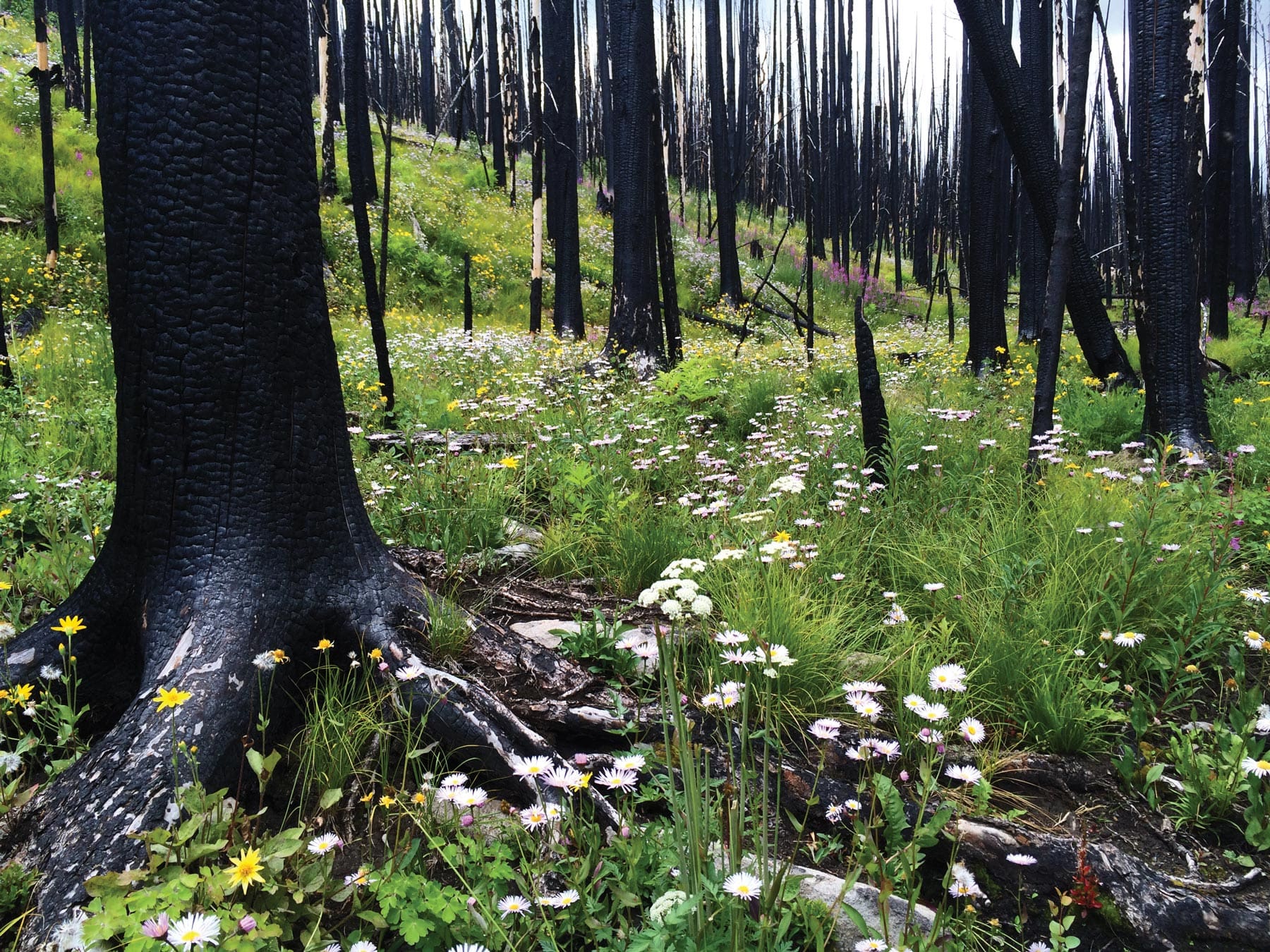
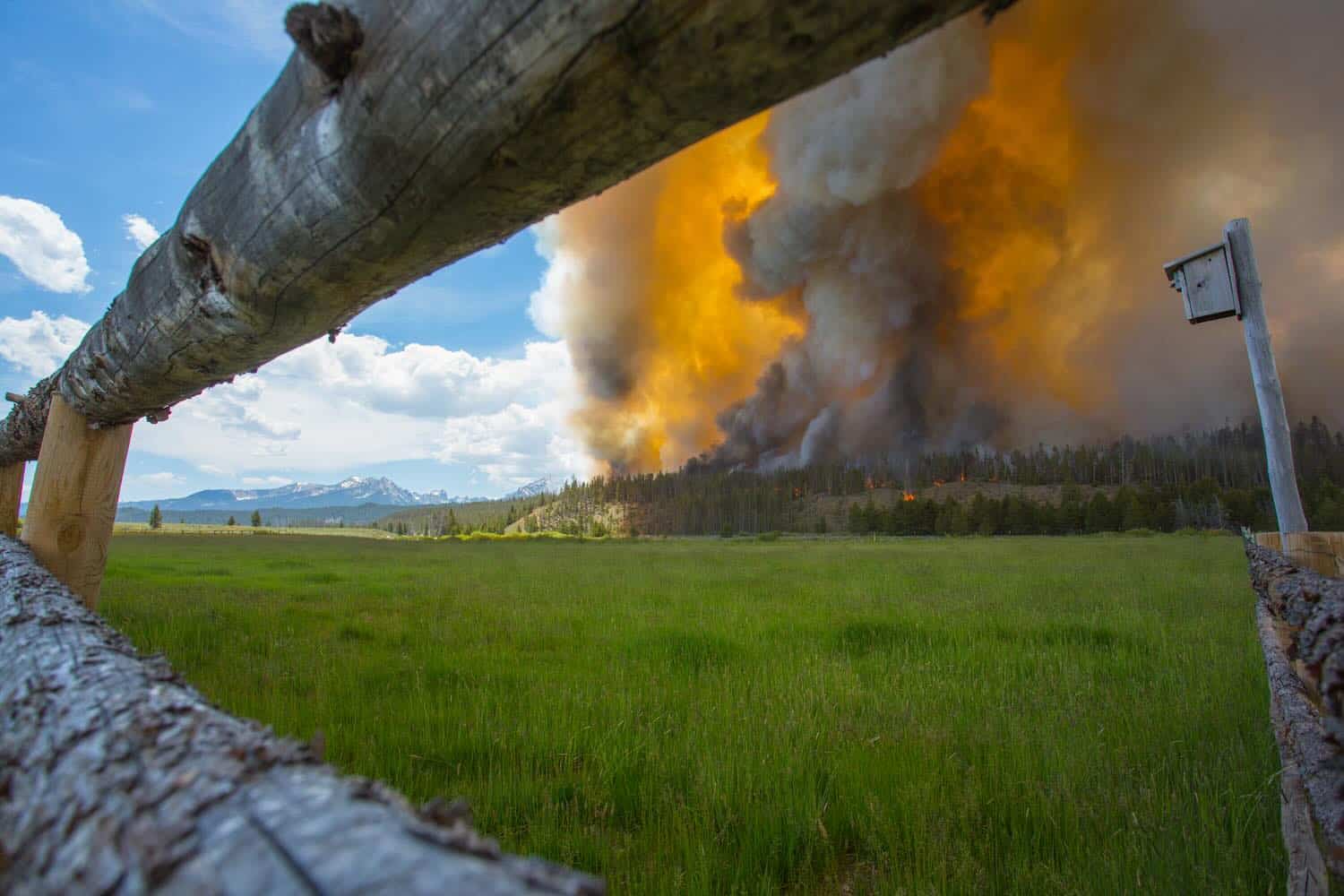
The 2024 Paddock Wildfire in Washington County, Idaho damaged many landowners’ pastures, leaving soil exposed and raising concerns about erosion and invasive weeds. Although wildfires are natural in many western areas, the months after a fire are crucial for land recovery. When there is no vegetation, burned landscapes are very likely to lose soil, flood, and be overtaken by invasive species. Proactive restoration, like reseeding, can help stabilize soil, restore pastures, and support wildlife.
The Two Most Important Post-Fire Priorities
Two main goals should be met after a wildfire:
1. Prevent erosion
2. Combat invasive species and weeds
Flash flooding is a common occurrence after a wildfire because fire destroys the natural ways that plants and root systems hold back rainwater. Even a short rainstorm can move large amounts of soil downhill.
Invasive species also quickly take over disturbed ground. Weeds can take over burned areas in just one growing season if there are no other plants to compete with.
Establishing vegetation quickly is one of the best ways to address both challenges.
Post-Fire Seed Mixes for the Paddock Fire Area
Great Basin Seed has experience developing seed mixes for remediation, erosion control, and post-wildfire land restoration. Proactive landowners will benefit from seeding projects that help:
- Provide soil cover and stabilization
- Improve wildlife habitat
- Restore pasture productivity
- Reduce erosion and flooding risk
Because every property is different—soil type, elevation, slope, and rainfall—we recommend developing a seed mix tailored to your land.
We can assist you in developing a custom Paddock Wildfire restoration mix using plants that have been proven to thrive in the Snake River Plains and Intermountain West. Our grass and legume seed recommendations include both native and introduced species that are well-suited to your region’s climate and soils.
Seed Recommendations for Paddock Fire Restoration
The following species are recommended in your area to be used in reclamation and wildfire restoration because of their drought tolerance, soil stabilization ability, and adaptability to western rangeland conditions. Our team can help build a mix using these recommendations based on your specific needs.
| Species | Approx. % by weight | Note |
|---|---|---|
| Hycrest Crested Wheatgrass | 15% | A hardy, fast establishing bunchgrass. One of the most common reclamation species in the West. Very drought tolerant. |
| Siberian Wheatgrass | 15% | Similar to Hycrest, this superb drought tolerant bunchgrass will persist on 7" of annual precipitation. |
| Slender Wheatgrass | 15% | A fast establishing and very popular bunchgrass that does well in a variety of soil types. Works very well at high elevation. Preferred by elk, deer and livestock. Seedlings are vigorous and provide good initial plant cover. Excellent for erosion control. |
| Intermediate Wheatgrass | 15% | A favorite and widely used rhizominous grass. Long lived with a deep, spreading root system. Excellent for soil stabilization. |
| Shoshone Sainfoin | 7% | A drought tolerant legume relished by wildlife. Nitrogen fixing. |
| Western Wheatgrass | 7% | Rhizominous native grass. Very hardy and long lived. Excellent of erosion control. |
| Yellow Sweet Clover | 5% | A deep-rooted bienial, widely used for erosion control and reclamation. |
| Sandberg Bluegrass | 5% | A hardy native. Excellent in dryland conditions. |
| Idaho Fescue | 4% | A fine-stemmed native grass excellent for erosion control. |
| Bottlebrush Squirreltail | 4% | A very drought tolerant bunchgrass. Hardy and widely used. |
| Basin Wildrye | 4% | A large-starred bunchgrass native to the Intermountain West. Important erosion control species, excellent avian and rodent cover. |
| Sand Dropseed | 4% | Long lived warm season bunchgrass. A prolific spreader. |
We Can Help Build the Right Mix for Your Property
Great Basin Seed can help formulate a mix specifically for your land using our recommended species as a starting point.
Our team is happy to walk with you through the restoration process and help you choose the right combination of seed for your property.
📞 Call us at 435-283-1411 and we will help develop a custom post-fire seed mix for your land.
Washington County landscapes can quickly recover and continue to support robust wildlife habitat, productive pastures, and healthy soils with proactive restoration.
Seeding Guidelines
Most wildfire reclamation mixes are seeded at approximately:
Seeding Rate: 20 lbs. per acre
Actual rates and species ratios can vary depending on your soil type, slope, rainfall, and land use goals, which is why custom formulation can be beneficial.
Tips for Successful Seeding After a Fire
Plant a variety of species
Don’t be afraid to plant a combination of natives and non-natives and a mixture of species. Diversity increases your chances for success.
Consider adding shrubs and wildflowers
Shrubs and wildflowers help stabilize soil, attract pollinators, and add to the diversity of the ecosystem.
Address vulnerable slopes early
Steep slopes and drainage areas are more prone to erosion after wildfire and benefit from quick vegetation establishment.


Low-Flammability Landscape Plants
A very informative guide to protecting your home from fire using landscaping, barriers and fire wise planting practices. Learn how to create buffer zones, and how to utilize fire-wise plants. Contains a list of over 100 species beneficial for firewire landscaping
Published by the Colorado State University Extension, Colorado State Forest Service