






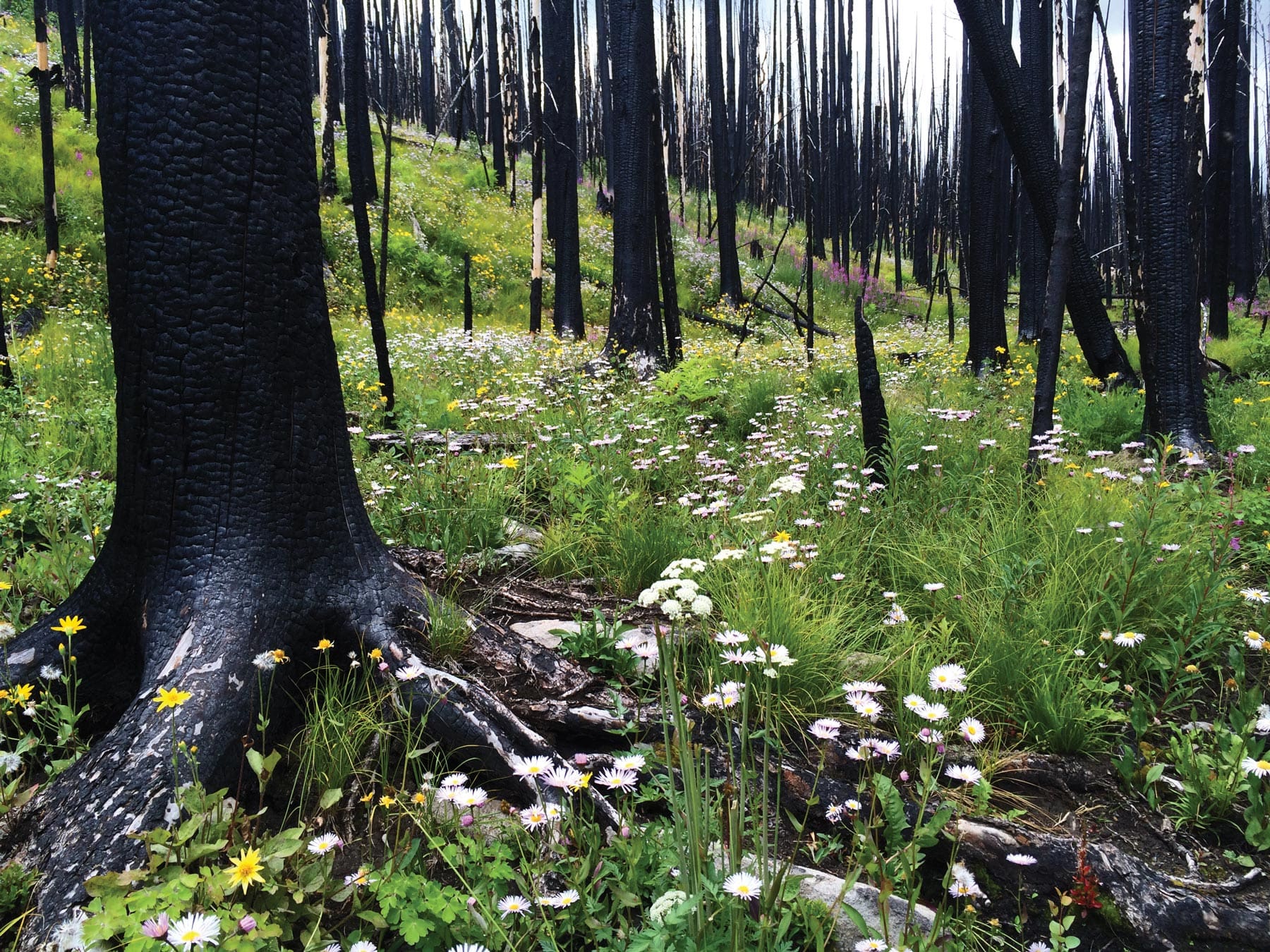
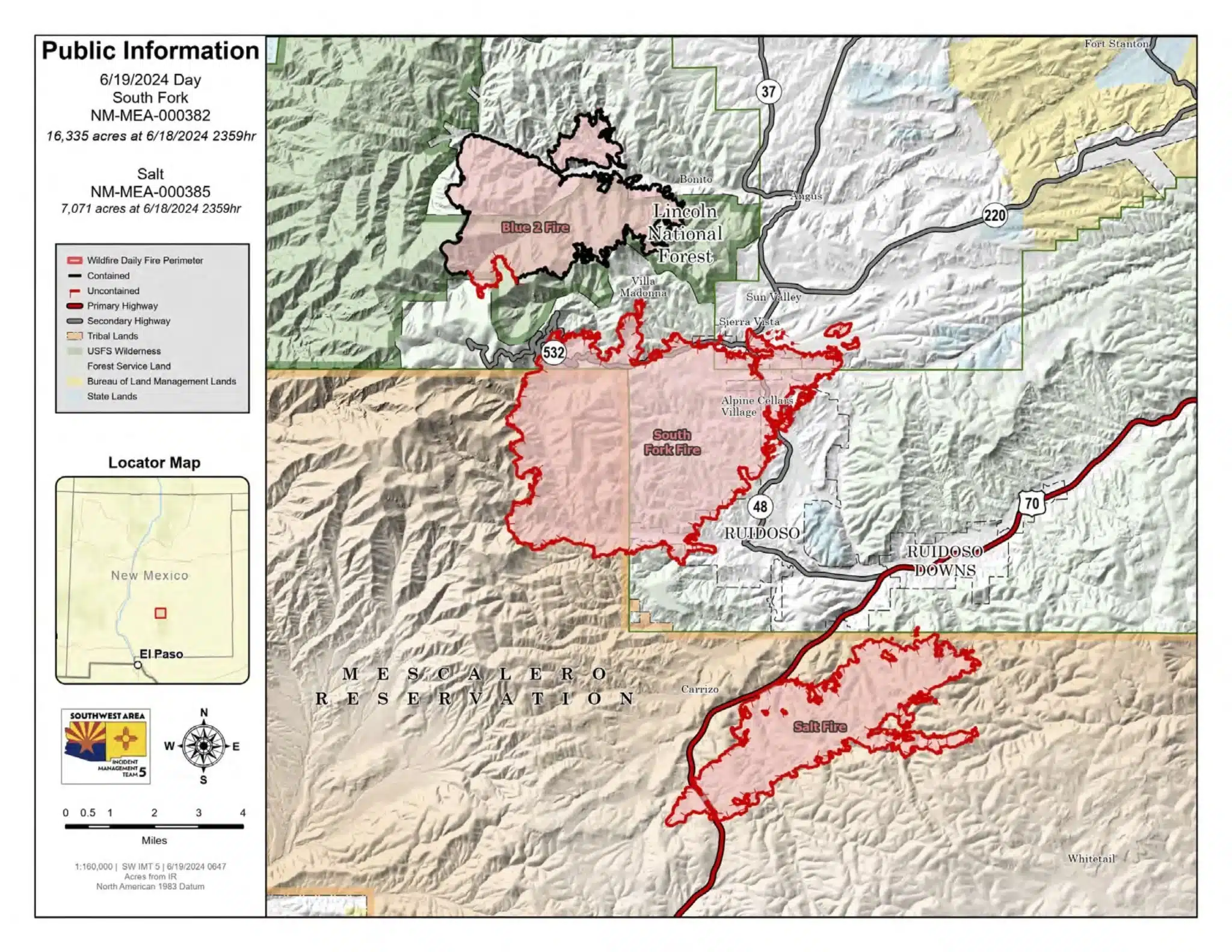
The South Fork and Salt Fires near Ruidoso, New Mexico left thousands of acres of forest, rangeland burned and vulnerable. Once vegetation is burned by wildfire the soil can quickly erode during summer monsoon storms. Lack of vegetation is a leading cause of flooding, sediment runoff, and long-term land damage.
One of the most effective ways to stabilize burned landscapes is by planting Ruidoso wildfire restoration seed mixes designed for the region’s soils, elevation, and semi-arid climate.
Strategic seeding helps restore vegetation, reduce erosion, and begin the recovery process for land impacted by wildfire.
Why Wildfire Restoration Seeding Is Critical in Ruidoso, New Mexico
Burned ground frequently lacks the vegetation required to protect soil following large fires like the South Fork and Salt Fires. Rainfall can travel quickly downhill in the absence of vegetation, bringing sediment into nearby communities, roads, and streams.
After a wildfire, two primary objectives should be addressed: 1) prevent erosion, and 2) combat invasive species and weeds. Flash flooding is a common occurrence after a wildfire because the natural mechanisms for holding back rainwater are removed by the fire. Invasive species, ever the optimists, invade quickly after a fire and fill the void left by the fire.
Planting wildfire restoration seed in Ruidoso and surrounding Lincoln County areas helps:
- Stabilize exposed soils
- Reduce erosion and sediment runoff
- Improve ground water infiltration
- Establish early ground cover
- Encourage sustained ecological recovery
One of the most important things you can do to protect the landscape after a fire is to plant grasses and other plants that are suited to the area as soon as possible.
Choosing the Right Ruidoso Wildfire Restoration Seed Mix
Not all seed mixes work well after a fire. Soils that have been burned can be dry, lack nutrients, and be more likely to erode.
Great Basin Seed has developed a list of recommended species for wildfire rehabilitation projects in the Southwest. We recommend the following list for Ruidoso wildfire restoration seed from the Salt and South Fork Fires.
Ruidoso South Fork and Salt Wildfire Seed Mix
| Species | Approx. % by weight | Note |
|---|---|---|
| Slender Wheatgrass | 20% | A fast establishing and very popular bunchgrass that does well in a variety of soil types. Works very well at high elevation. Preferred by elk, deer and livestock. Seedlings are vigorous and provide good initial plant cover. Excellent for erosion control. |
| Intermediate Wheatgrass | 20% | A favorite and widely used rhizominous grass. Long lived with a deep, spreading root system. Excellent for soil stabilization. |
| Mountain Brome | 12% | A widely used high elevation grass. Rhizominous. Excellent for post-fire restoration and erosion control. |
| Smooth Brome | 12% | A fast-spreading rhizominous grass. Excellent for erosion control. |
| Western Wheatgrass | 11% | Rhizominous native grass. Very hardy and long lived. Excellent of erosion control. |
| Sideoats Grama | 6% | A hardy native that emerges early and stays green through dry seasons. Excellent in dryland conditions. |
| Blue Grama | 5% | A hardy native that emerges early and stays green through dry seasons. Excellent in dryland conditions. |
| Indian Ricegrass | 5% | A long-lived hardy native that excels in sandy soils. |
| Big Bluestem | 5% | High quality forage from a talll native and dominant grass in the southwest and prairies. Excellent for erosion control. |
| Sand Dropseed | 2% | Lon lived warm season bunchgrass. A prolific spreader. |
| Alkali Sacaton | 2% | Tolerates a broad range of soils, a tough warm-season bunchgrass. Used widely for erosion control. |
Many of these grasses are also available individually through Great Basin Seed’s native grass and reclamation seed offerings:
https://greatbasinseeds.com/grasses
Best Time to Plant Wildfire Restoration Seed in Ruidoso
Timing can significantly impact germination success after wildfire.
For burned areas near Ruidoso the best planting windows typically include:
Late Summer (Monsoon Season)
Moisture from monsoon storms can help seeds germinate quickly and establish ground cover.
Late Fall Dormant Seeding
Planting before winter allows seeds to naturally stratify and germinate when conditions improve in spring.
Both timing options are commonly used in wildfire restoration seeding projects across the Southwest.
We Can Help Build the Right Mix for Your Property
Great Basin Seed can help formulate a mix specifically for your land using our recommended species as a starting point.
Our team is happy to walk with you through the restoration process and help you choose the right combination of seed for your property.
📞 Call us at 435-283-1411 and we will help develop a custom post-fire seed mix for your land.
Washington County landscapes can quickly recover and continue to support robust wildlife habitat, productive pastures, and healthy soils with proactive restoration.
Seeding Guidelines
Most wildfire reclamation mixes are seeded at approximately:
Seeding Rate: 20 lbs. per acre
Actual rates and species ratios can vary depending on your soil type, slope, rainfall, and land use goals, which is why custom formulation can be beneficial.
To improve results when planting Ruidoso wildfire restoration seed, consider the following practices:
- Broadcast seed before forecasted rainfall
- Focus on steep slopes and erosion-prone areas first
- Use straw or mulch when possible
- Avoid disturbing soil that may already be stabilizing naturally
- Seed as soon as practical after the fire
Tips for Successful Seeding After a Fire
Plant a variety of species
Don’t be afraid to plant a combination of natives and non-natives and a mixture of species. Diversity increases your chances for success.
Consider adding shrubs and wildflowers
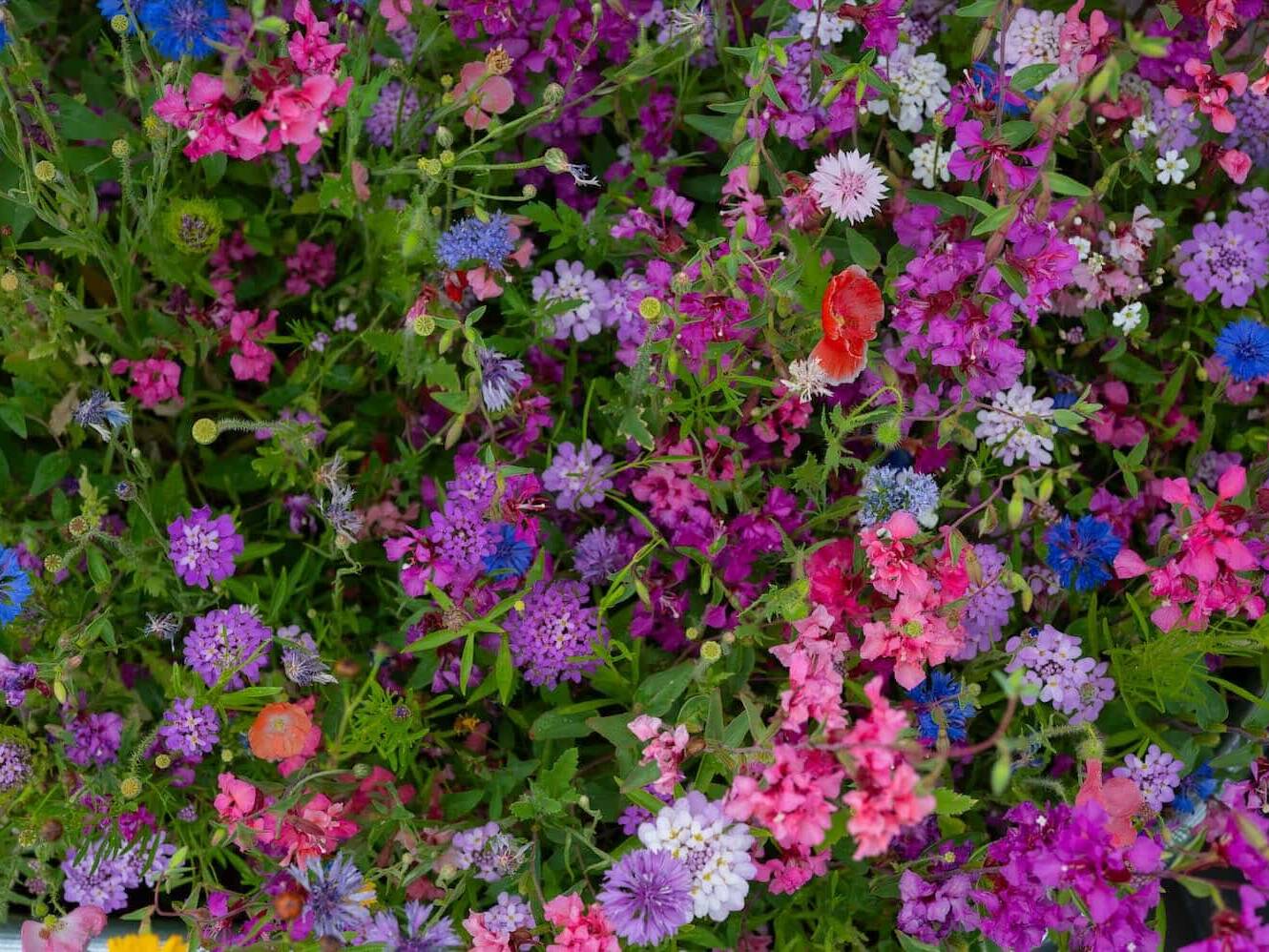
Consider planting wildflowers and/or shrubs with your seed mixes. Our Western Wildflower Mix and Mountain Wildflower Mix are excellent ready-made choices and are beautiful in a wide range of ecotypes. They re-seed well and return year after year.
Address vulnerable slopes early
Steep slopes and drainage areas are more prone to erosion after wildfire and benefit from quick vegetation establishment.


Low-Flammability Landscape Plants
A very informative guide to protecting your home from fire using landscaping, barriers and fire wise planting practices. Learn how to create buffer zones, and how to utilize fire-wise plants. Contains a list of over 100 species beneficial for firewire landscaping
Published by the Colorado State University Extension, Colorado State Forest Service