



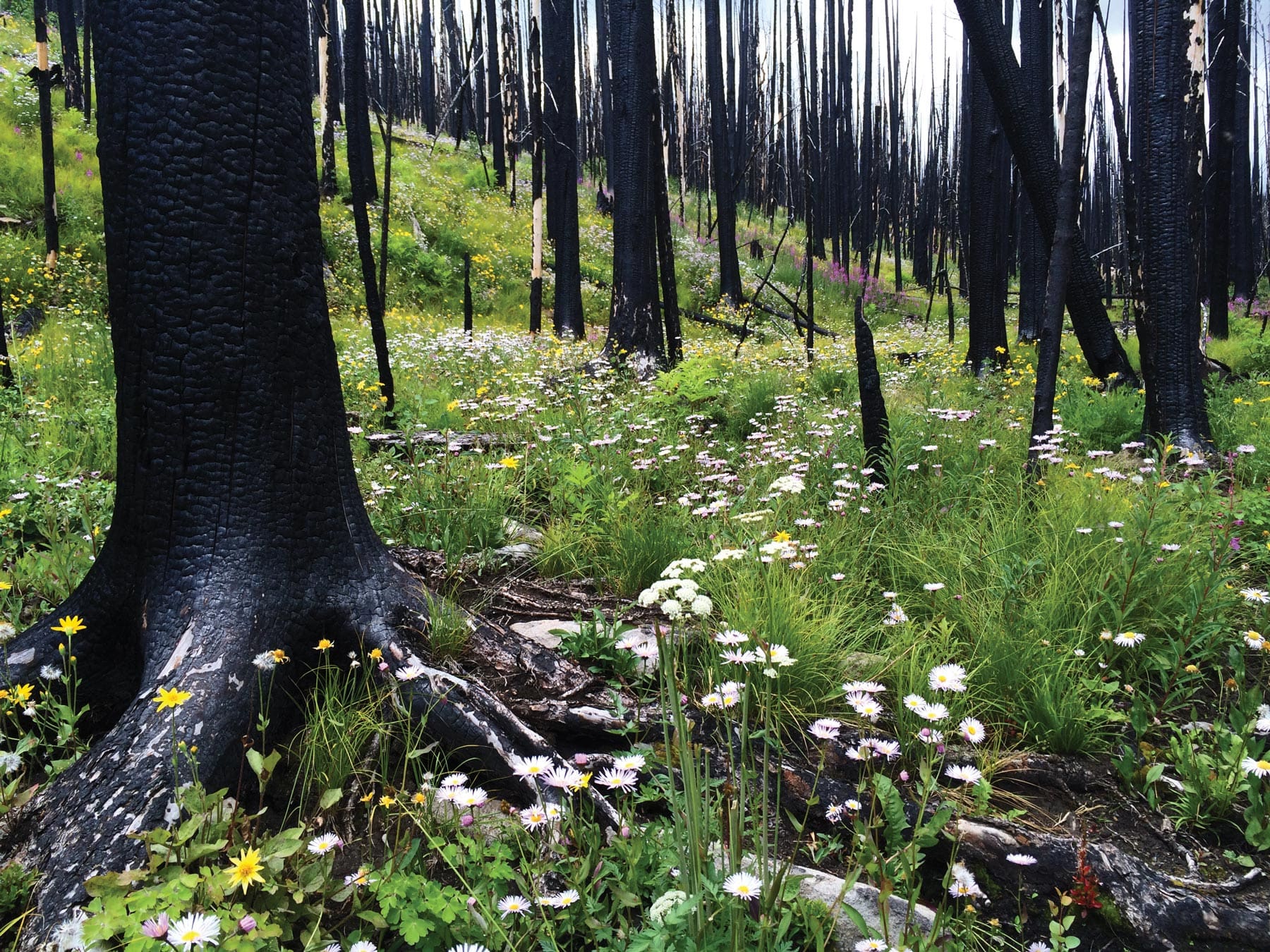
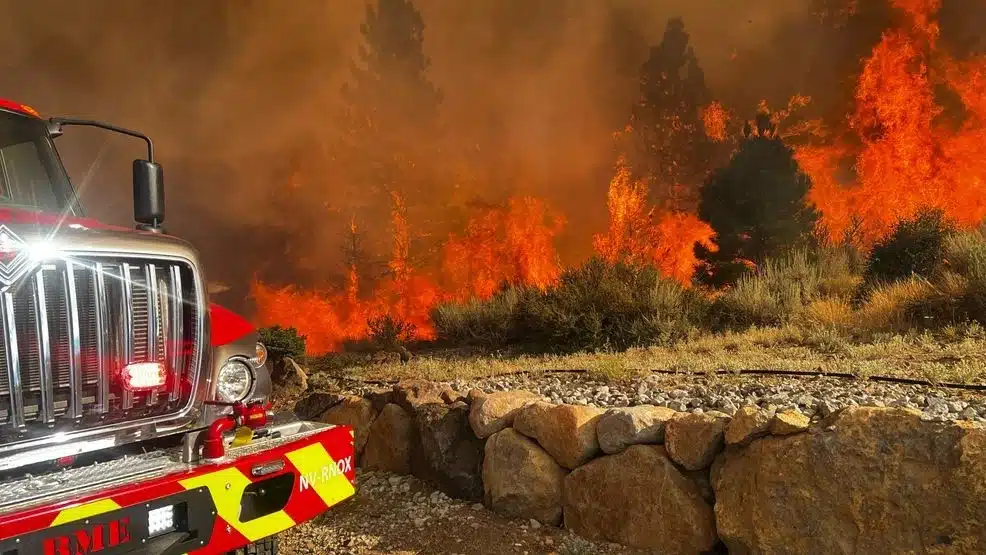
Many landowners, ranchers, and communities in western Nevada are now dealing with challenging issues related to erosion, invasive weeds, habitat loss, and long-term land recovery as a result of the 2024 Davis Fire. While wildfire damage can appear overwhelming, proactive restoration efforts can significantly improve recovery outcomes for soil stability, pasture productivity, and ecosystem health.
Great Basin Seed has developed specialized seed mix recommendations for western wildfires such as the Davis Fire.
Why Post-Fire Seeding Matters
After a wildfire, two primary objectives should be addressed:
- Prevent erosion
- Combat invasive species and weeds
Flash flooding is common after a wildfire because the fire destroys the natural vegetation and root systems that slow and absorb rainfall. Without plant cover, valuable topsoil can easily wash away during storms and snowmelt events.
However, following a burn, invasive weeds are frequently the first species to take root. Opportunistic invasive plants compete with native vegetation, desirable grasses, and shrubs by quickly spreading into disturbed areas.
Strategic reseeding helps stabilize soil, establish protective ground cover, improve water infiltration, restore wildlife habitat, and reduce the spread of invasive species before they become dominant.
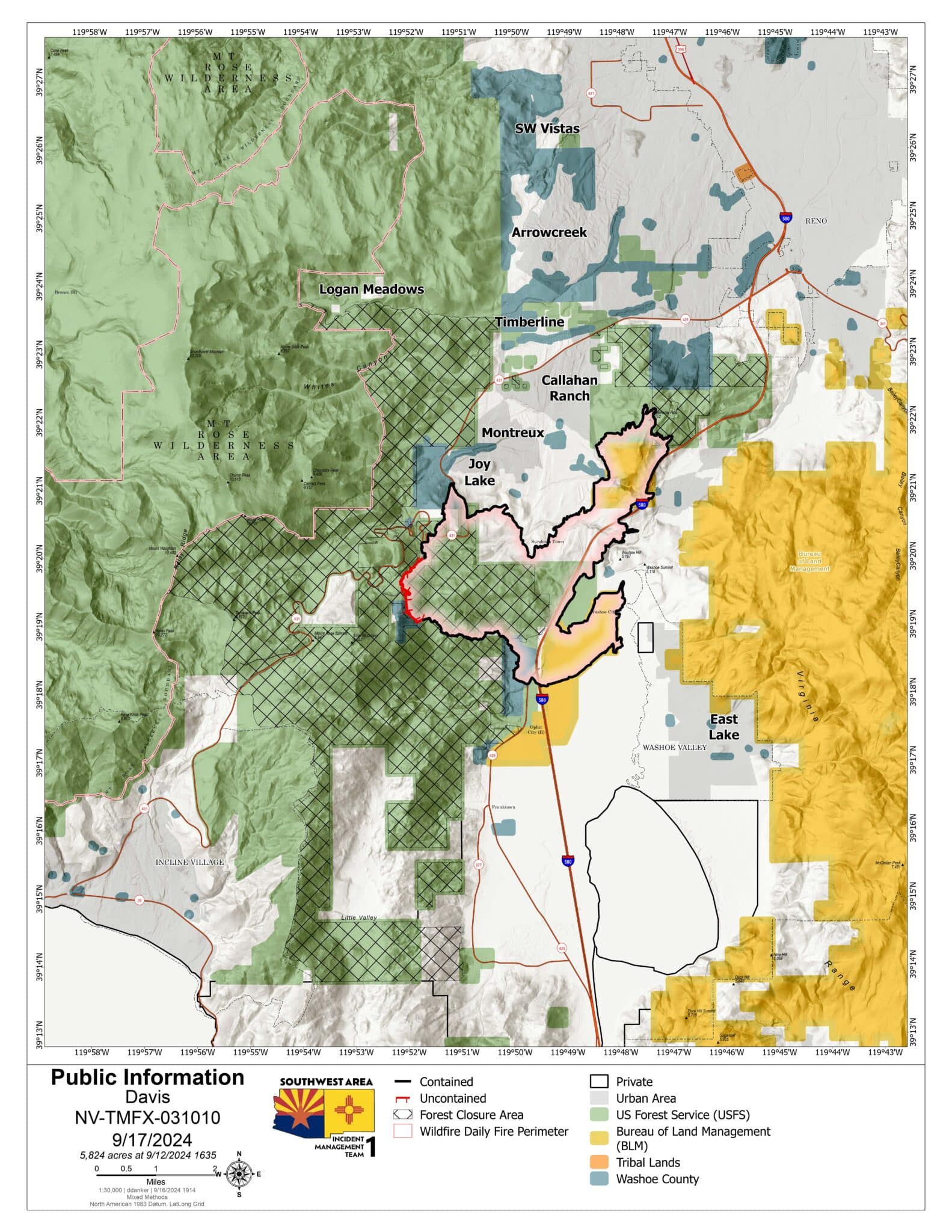
Great Basin Seed’s Davis Fire Restoration Recommendations
Great Basin Seed has developed seed recommendations for Davis Fire restoration. Specifically, for the environmental conditions found throughout western Nevada and the Intermountain West.
These recommendations are designed with ground cover and erosion control as the primary objective while also supporting long-term land recovery and revegetation success.
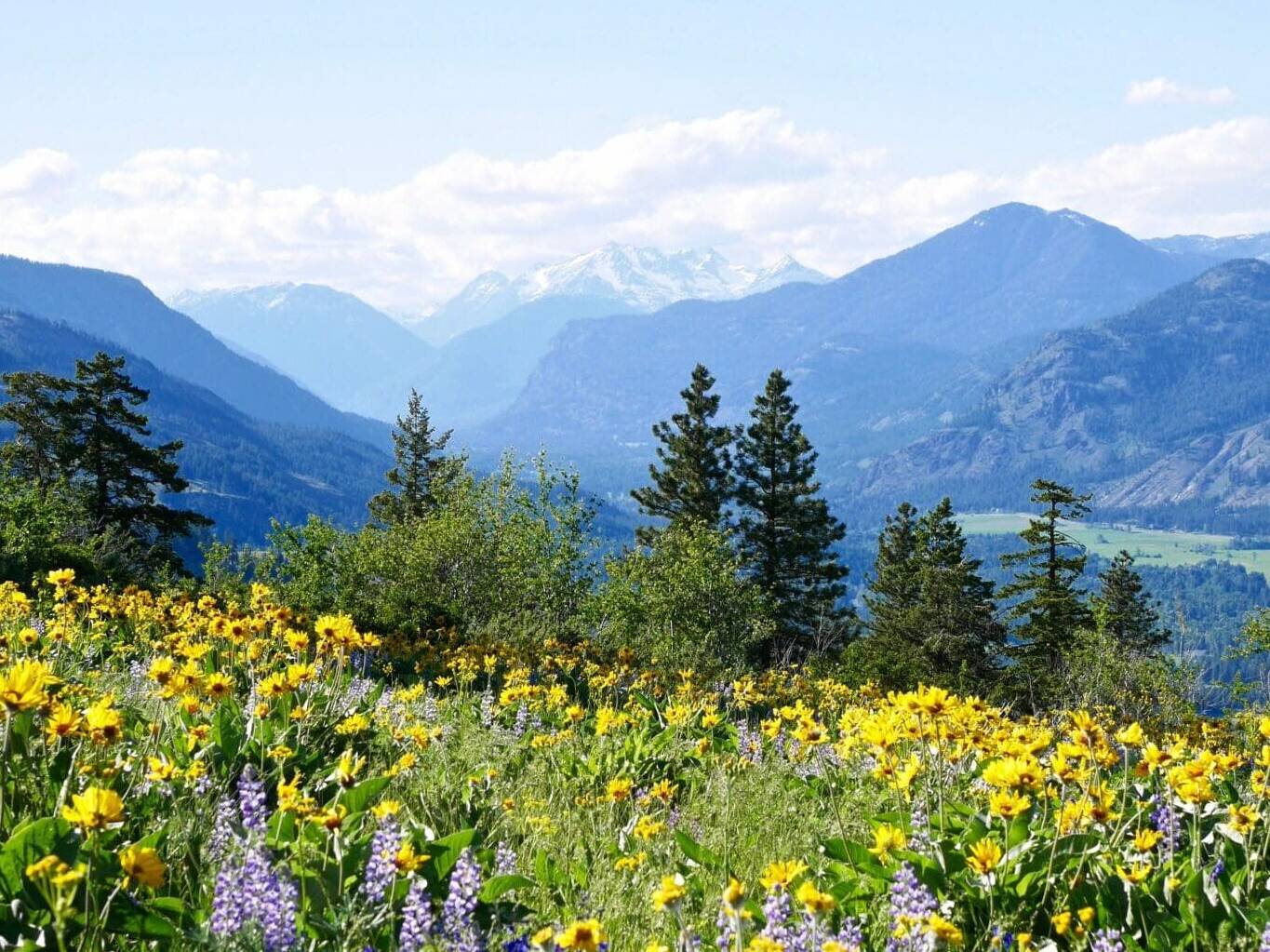
The Davis Fire Restoration Mix includes proven species commonly used in mountain and foothill restoration projects throughout the western United States. Recommendations include a mix of hardy native/introduced grasses and wildflowers. It contains both introduced species and species native to Nevada and neighboring western states that are adapted to:
- Western Nevada climates
- Drought-prone environments
- Variable soils
- High-elevation conditions
- Post-fire landscapes
Davis Fire Native and Introduced Mix
| Species | Approx. % By Weight |
|---|---|
| Siberian Wheatgrass | 15% |
| Western Wheatgrass | 20% |
| Smooth Brome | 8% |
| Streambank Wheatgrass | 10% |
| Green Needlegrass | 12% |
| Sandberg Bluegrass | 8% |
| Sheep Fescue | 12% |
| Western Wildflower Seed Mix | 15% |
Regreen Hybrid Wheatgrass
Consider planting Regreen Hybrid Wheatgrass as a nurse or cover crop option. This can be planted in conjunction with the Davis Fire Restoration Mix or other fire reclamation mixes. The Regreen Hybrid Wheatgrass is a certified sterile wheatgrass that won’t reseed or compete with other desired species. With characteristics from both parents, wheat and wheatgrass, Regreen Hybrid Wheatgrass is ideal for aiding in the establishment of native plant communities. Regreen is both rapid-germinating and drought tolerant, making it a great option for erosion control.
We Can Help Build the Right Mix for Your Property
Great Basin Seed can help formulate a mix specifically for your land using our recommended species as a starting point.
Our team is happy to walk you through the restoration process and help you select the best seed combination for your property.
📞 Call us at 435-283-1411 and we will help develop a custom post-fire seed mix for your land.
Nevada landscapes can quickly recover and continue to support robust wildlife habitat, productive pastures, and healthy soils with proactive restoration.
Seeding Guidelines
Most wildfire reclamation mixes are seeded at approximately:
Seeding Rate: 20 lbs. per acre
Actual rates and species ratios can vary depending on your soil type, slope, rainfall, and land use goals, which is why custom formulation can be beneficial.
Tips for Successful Seeding After a Fire
Plant a variety of species
Don’t be afraid to plant a combination of natives and non-natives and a mixture of species. Diversity increases your chances for success.
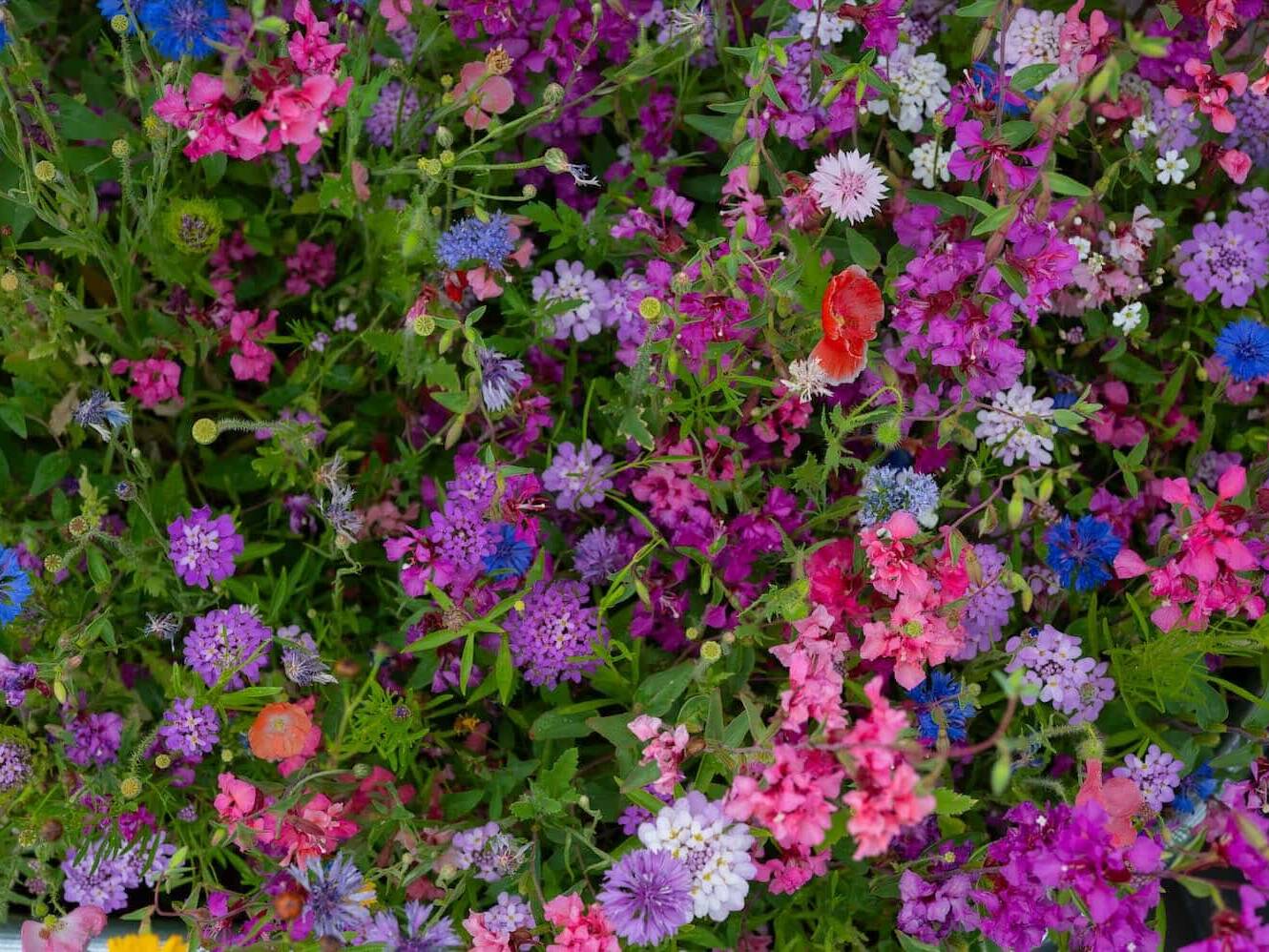
Consider adding shrubs and wildflowers
Shrubs and wildflowers help stabilize soil, attract pollinators, and add to the diversity of the ecosystem.
Address vulnerable slopes early
Steep slopes and drainage areas are more prone to erosion after wildfire and benefit from quick vegetation establishment.


Low-Flammability Landscape Plants
A very informative guide to protecting your home from fire using landscaping, barriers and fire wise planting practices. Learn how to create buffer zones, and how to utilize fire-wise plants. Contains a list of over 100 species beneficial for firewire landscaping
Published by the Colorado State University Extension, Colorado State Forest Service