
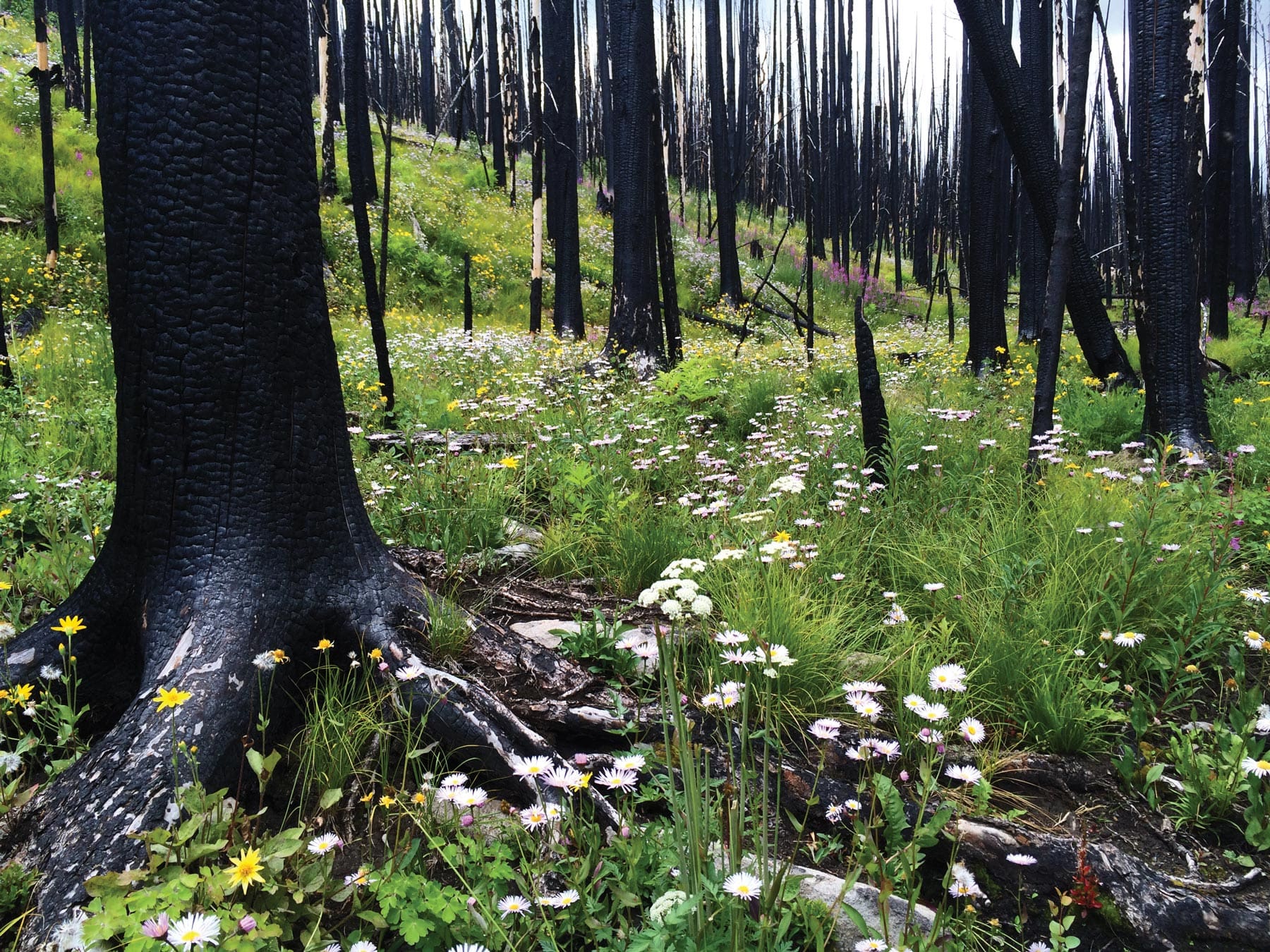
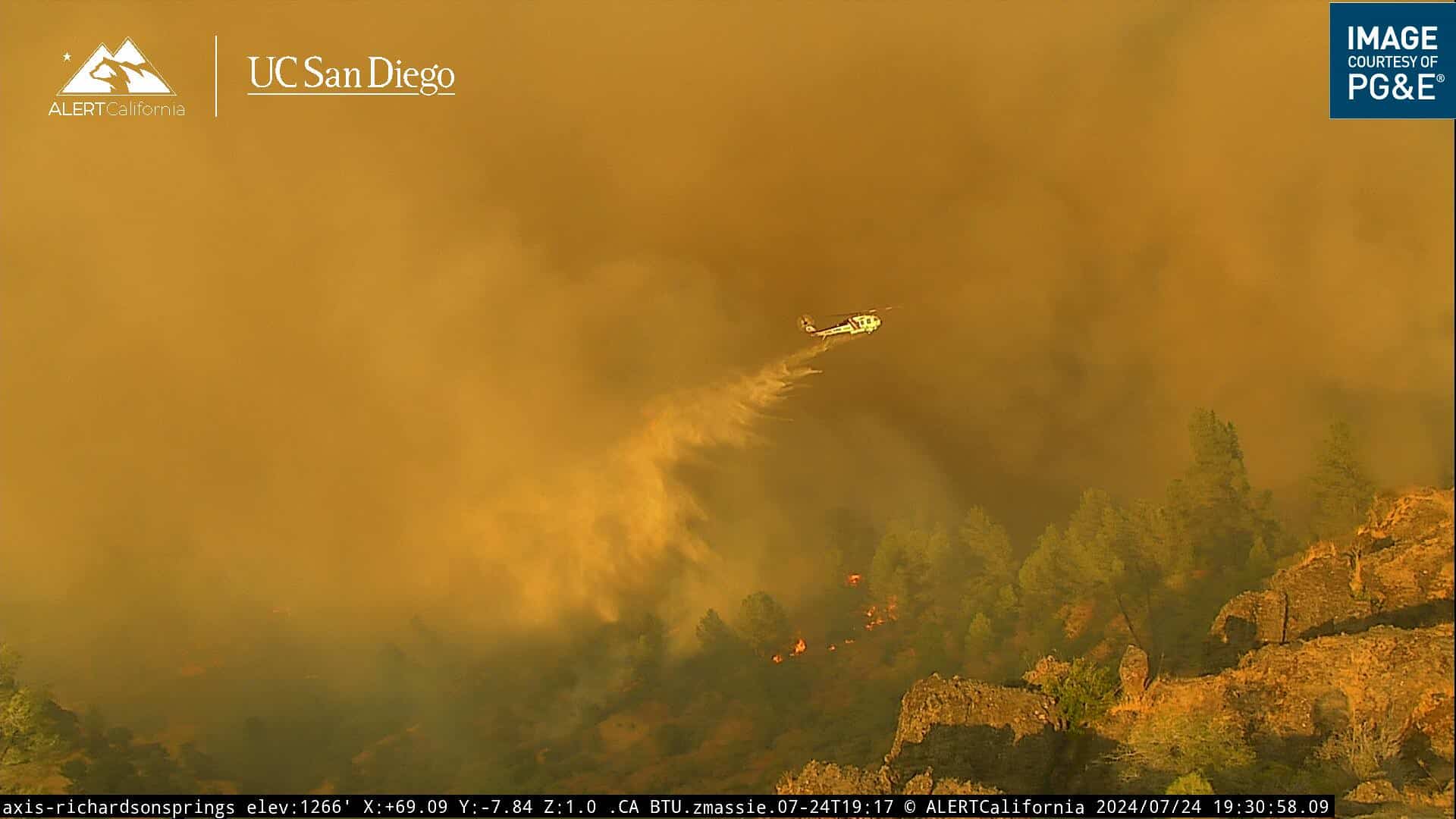
After the Park Fire, many landowners are looking out over blackened property and asking themselves, “What now?”
The Park Fire was the biggest wildfire in California in 2024, the fourth largest in the state’s history, the second largest single wildfire (as opposed to a wildfire complex, which has multiple ignition points), and the biggest fire ever started by arson in the state.
The fire may be out, but the damage it does can last for years if nothing is done. The good news is that there is a clear way to move forward, and it starts with getting vegetation back as soon as possible.
Great Basin Seed helps landowners with their reseeding efforts because it is one of the most effective and beneficial first steps toward recovery.
Why Reseeding Matters
Fires in the West, including the Park Fire, have caused a lot of damage to rangeland, pasture, and wildlife habitat over the past year. In response, Great Basin Seed has made a number of seed recommendations that focus on fixing problems, stopping erosion, and restoring land in general.
Reseeding isn’t just about making the land look better. It plays a real, functional role in restoration after a fire. A well-designed seed mix helps:
- Hold soil in place
- Reduce erosion and runoff
- Improve habitat for wildlife
- Bring pastures back into production
- Lower the risk of flooding after storms
Our Park Fire seed recommendations are built with one main goal in mind: get ground cover established quickly and stabilize the soil. These recommendations are tailored to the best native and introduced species adapted to Butte and Tehama counties
The Two Biggest Challenges After a Fire
Two issues quickly arise when vegetation burns away, and if you don’t deal with them right away, they usually get worse.
1. Erosion and Flooding
The soil is exposed when there is no plant cover. Rain doesn’t soak in the same way it used to, which can cause:
- Rapid runoff
- Washed-out topsoil
- Flash flooding and debris flows
Even a normal rainstorm can cause serious damage to burned ground.
2. Invasive Weeds
Burned areas are essentially an open invitation to invasive species. They move in quickly, take advantage of the disturbed soil, and can outcompete anything you try to plant later.
That’s why timing is important. Getting desirable species established early prevents weeds from taking over.
The suggestions made by Great Basin Seed address these two problems.
Seed Recommendations Built for Northern California Conditions
Not all seed mixes are created equal, especially for post-fire recovery.
Our recommendations for the Parks Fire mix consist of both introduced and native species that are known to thrive in Northern California and similar environments.
Parks Fire Reclamation Mix
| Species | Approx. % by weight |
|---|---|
| Slender Wheatgrass | 15% |
| Rush Intermediate Wheatgrass | 15% |
| Paiute Orchardgrass | 12% |
| Crested Wheatgrass | 10% |
| California Bromegrass | 10% |
| Dahurian Wildrye | 10% |
| Western Wheatgrass | 8% |
| Yellow Sweet Clover | 5% |
| Streambank Wheatgrass | 5% |
| Ladino Clover | 5% |
| Birdsfoot Trefoil | 5% |
Suggestions for successful planting:
- Don’t be afraid to plant a combination of natives and non-natives and a combination of species. Diversity increases your chances for success.
- If these mixes do not meet your needs for any reason, please call and we will formulate a mix with you.
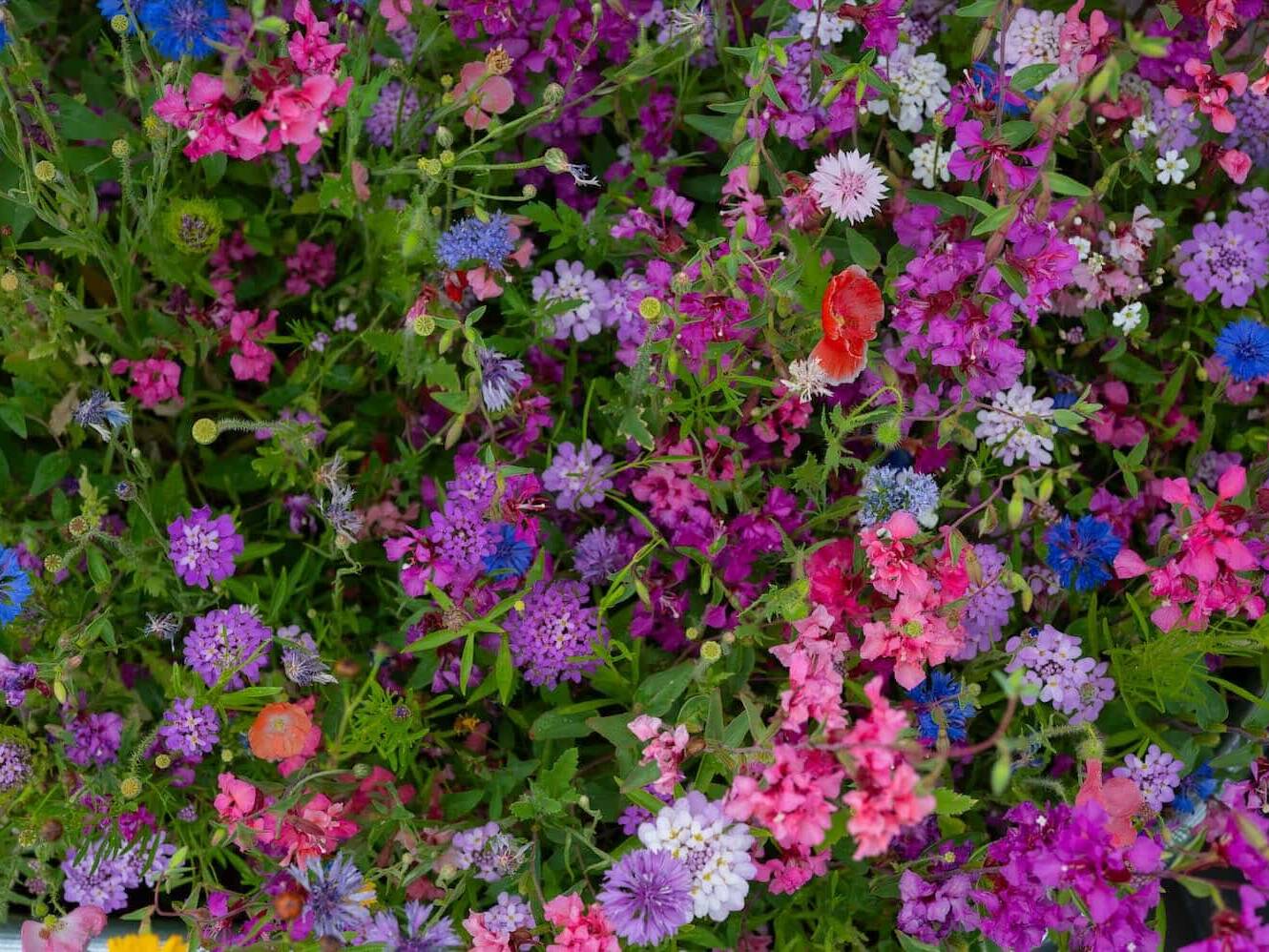
- Consider planting shrubs and flowers with your grass mixes. We have included recommendations below.
- Call us for help! We are happy to walk with you through the process and help however we can! 435.283.1411
We Can Help Build the Right Mix for Your Property
Great Basin Seed can help formulate a mix specifically for your land using our recommended species as a starting point.
Our team is happy to walk with you through the restoration process and help you choose the right combination of seeds for your property.
📞 Call us at 435-283-1411 and we will help develop a custom post-fire seed mix for your land.
Northern California landscapes can quickly recover and continue to support robust wildlife habitat, productive pastures, and healthy soils with proactive restoration.