






Put winter to work for your planting.
Dormant seeding lets you plant suitable seed in late fall or winter so it can wait in the soil until spring conditions support germination. Dormant seeding is also called fall-dormant planting or winter sowing. For some species, winter’s cold and moisture also help break seed dormancy. The key is choosing the right seed and planting late enough that it does not sprout before winter. It is a useful way to plant native grasses, wildflowers, shrubs, pastures, and some lawns. The right timing and seed are important for a success.
Quick answer: Dormant planting is a strong choice for seed that needs cold-moist conditioning or is recommended for late fall sowing. It is not right for every seed. Warm-season annuals such as teff, corn, and sudangrass should wait for warm spring or summer soil. Always check the species and product instructions for your location.
First, know the difference
Cold stratification is a seed treatment: seed is exposed to cold, moist conditions for a set period to help break dormancy.
Dormant seeding is a planting method: seed is sown outdoors late enough in the season to remain ungerminated through winter. For a seed that needs stratification, dormant seeding can let winter provide that treatment naturally. Other seeds can be dormant-seeded without needing stratification.
What does dormant planting do?
Some seeds are both dormant and have a hard seed coat. Even with water and warmth these types of seeds may not germinate until the shell is physically worn down by freezes and thaws. This dormancy is a protective measure commonly found in native species, as dormancy prevents seeds from sprouting prematurely during a warm autumn spell or a brief winter thaw. Some seeds wait for these specific triggers, such as a prolonged cold chill (stratification), to make sure conditions are right for long-term survival.
Some seeds can be planted dormantly without the need for cold stratification. Their seed simply waits in the soil until conditions are right. This can make use of winter and early-spring moisture and help spread planting work across the year. It does not guarantee faster establishment or success; site preparation, seed-to-soil contact, species fit, and spring weather still matter.
Which seeds benefit most from dormant planting?
Use this quick check before you plant. Species requirements vary, so use the seed label, Great Basin Seed product directions, and regional NRCS or Extension guidance together.
| What the seed directions say | Planting fit | What to do |
|---|---|---|
| “Hard seed,” “seed dormancy,” “cold treatment,” or “stratification” | Best dormant-seeding candidate | Late-fall or winter sowing may provide the cold-moist conditions the seed needs. Follow species-specific timing and depth directions. |
| “Fall seeding preferred,” “dormant seeding,” or “best stands from fall/winter planting” | Good fall or dormant option | Winter timing may improve establishment or line up germination with spring moisture. It does not necessarily mean the seed requires cold stratification. |
| “Plant after soils warm” or “spring/summer planting” | Wait for warmer conditions | Do not assume a seed is a dormant-seeding candidate just because it is sold as a grass or wildflower. Warm-season crops such as teff, corn, and sudangrass need their recommended warm-weather planting window. |
| Plant category | Dormant-planting fit | Why plant in the dormant season? |
|---|---|---|
| Native forbs with hard or dormant seed — including selected penstemons, scarlet globemallow, and other native wildflowers | Strong for the right species | Winter conditions can help overcome hard-seed or physiological dormancy in some species. NRCS recommends late-fall to early-winter planting for hard-seeded penstemons and fall planting for scarlet globemallow to provide natural stratification. That does not mean spring planting always fails; check species-specific guidance. |
| Native shrubs — including winterfat, fourwing saltbush, and low sagebrush | Strong for some species | NRCS says winterfat tends to make its best stands from dormant fall, winter, or very early spring planting; fourwing saltbush may be planted dormant or in early spring. NRCS also gives fall-sowing instructions for low sagebrush. These are species-specific recommendations, not a rule for every shrub or sagebrush seed lot. |
| Native and cool-season grasses — including wheatgrasses, wildryes, fescues, Indian ricegrass, needle-and-thread, and green needlegrass | Strong for selected species; useful for others | Some species have seed dormancy and benefit from winter conditions; others are simply suitable for late-fall sowing. Do not assume every wheatgrass, wildrye, or fescue needs cold stratification. A spring planting can work for many grasses when timing, seedbed, and moisture are right. |
| Warm-season perennial grasses — such as switchgrass and blue grama | Depends on species and region | Dormant planting is used in some regions, but it is not automatically the best window. In an NRCS North Dakota trial, spring planting gave the most consistent and greatest establishment for five warm-season grasses. |
| Warm-season annuals — such as teff, corn, and sudangrass | Wait for warm-season planting conditions | These are planted for warm-weather growth. Follow each product’s spring or summer planting directions rather than treating them as dormant-seeding candidates. |
Clues to look for
– The planting guide specifically recommends late fall, winter, or dormant seeding.
– It mentions a hard seed coat, seed dormancy, or a cold-moist period before germination.
– It says fall planting produces the best stands or helps synchronize germination with spring moisture.
– It gives a species-specific sowing window or depth. Follow that over general advice for a plant category.
If the guidance is unclear, look up the species name on the product page or in a regional government plant guide. “Native,” “cool-season,” or “wildflower” by itself does not tell you whether that seed needs stratification.
18 Great Basin Seed species to consider
The list is sorted from species with the most obvious dormancy-related need or the greatest winter advantage to those that are good fall-sowing candidates. The first group has precise instructions for dormancy, cold treatment, or best-stand timing. The later selections, when appropriate for the site, can be planted in the fall, but they should not be labeled as requiring cold stratification. Before purchase, confirm current product availability, seed-lot information, and planting instructions.
Strongest winter need: dormant planting helps overcome dormancy
- Beardless Wildrye — Dormant fall planting is required because the seed needs cold treatment to germinate. Confirm the scientific name and seed lot on the current label; “beardless wildrye” can refer to different species.
- Mat Saltbush — Germination is near zero without cold treatment and we recommend fall or midwinter sowing. Plant it only on suitable saline sites.
- Indian Ricegrass — NRCS identifies high seed dormancy and recommends dormant fall field planting to help overcome it.
- Green Needlegrass — NRCS describes its seed as dormant and says it requires dormant fall planting. Check the regional and seed-lot guidance, since seed dormancy can vary.
- Firecracker Penstemon — We recommend late-fall direct seeding for natural stratification. The NRCS identifies dormant fall as the preferred seeding period for penstemons because winter prechilling reduces dormancy.
- Palmer’s Penstemon — NRCS specifically lists Palmer’s among penstemons to plant late fall to early winter because of hard seed.
- Rocky Mountain Penstemon — NRCS recommends dormant fall seeding for penstemons to prechill seed and reduce dormancy.
- Thickleaf Penstemon — NRCS recommends late-fall or early-winter seeding for this penstemon; winter conditioning supports germination.
- Wasatch Penstemon — Fall sowing provides natural stratification and the recommended cold stratification if spring planting instead.
- Needle & Thread Grass — For seed less than two years old, late-fall dormant planting is recommended to help break seed dormancy.
Dormant planting is specifically recommended or gives a documented winter benefit
- Forage Kochia — We recommend midwinter planting in cold or snowy conditions; NRCS reports best establishment from dormant fall or winter seedings. Surface placement is important; follow the product directions.
- Bottlebrush Squirreltail — NRCS says its thick seed coat causes high dormancy and recommends dormant fall planting to provide cool-moist stratification.
- Muttongrass — Late fall or early spring dormant planting is the recommended timing.
- Winterfat — NRCS says dormant-season planting is recommended as an alternative to early spring and reports best stands from fall, winter, or very early spring planting.
- Fourwing Saltbush — NRCS recommends dormant-season or early-spring seeding. Dormant planting is a documented option for appropriate sites.
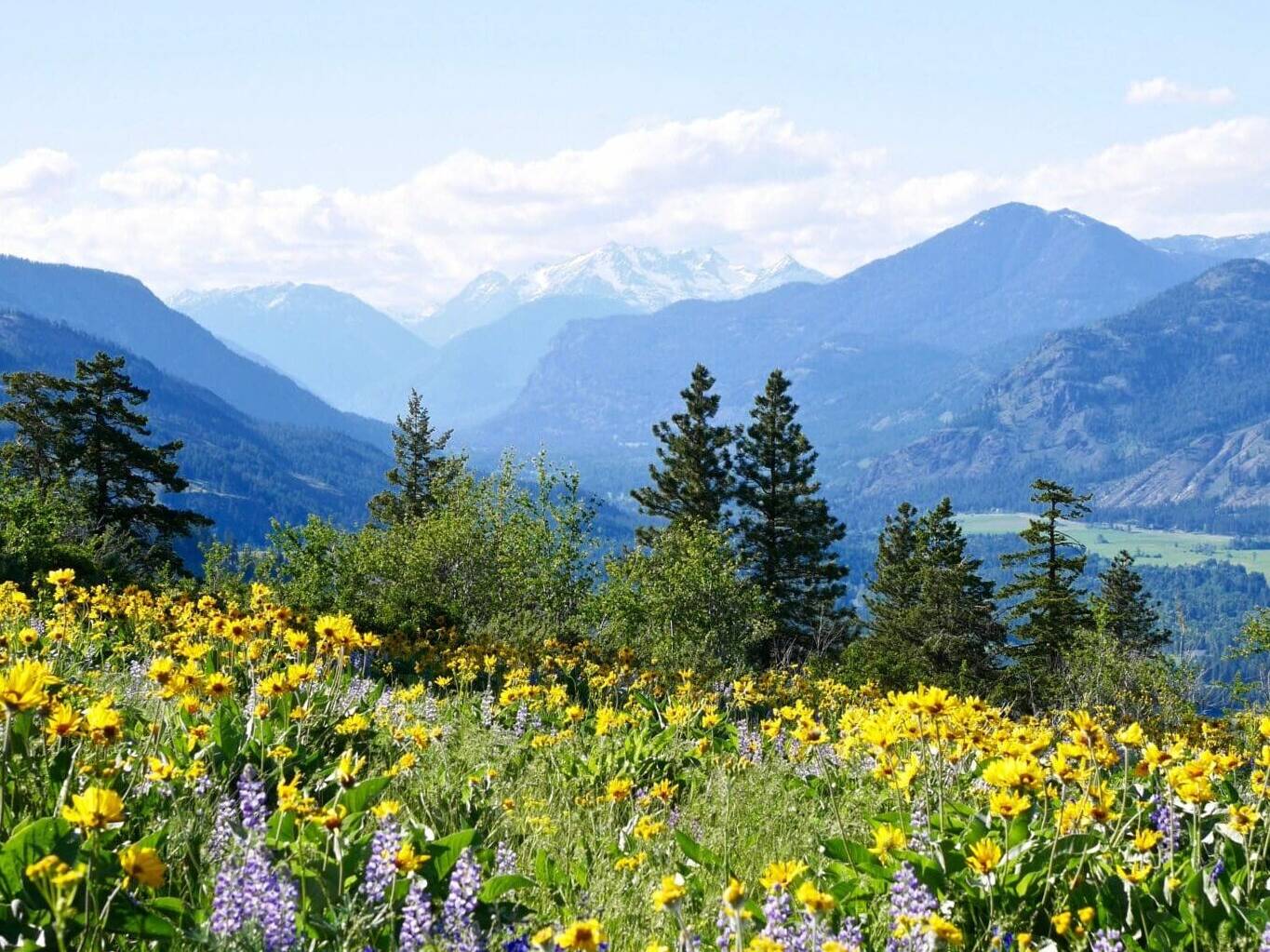
- Arrowleaf Balsamroot — BLM’s Great Basin plant profile recommends fall or late-fall seeding specifically to allow natural seed stratification over winter.
- Scarlet Globemallow — NRCS recommends fall sowing so seed can receive natural stratification; dormant seeding provides that outdoor winter treatment.
- Slender Wheatgrass — NRCS prefers dormant fall planting for dryland seedings in areas receiving less than 16 inches of annual precipitation. Apply that recommendation only where site conditions fit.
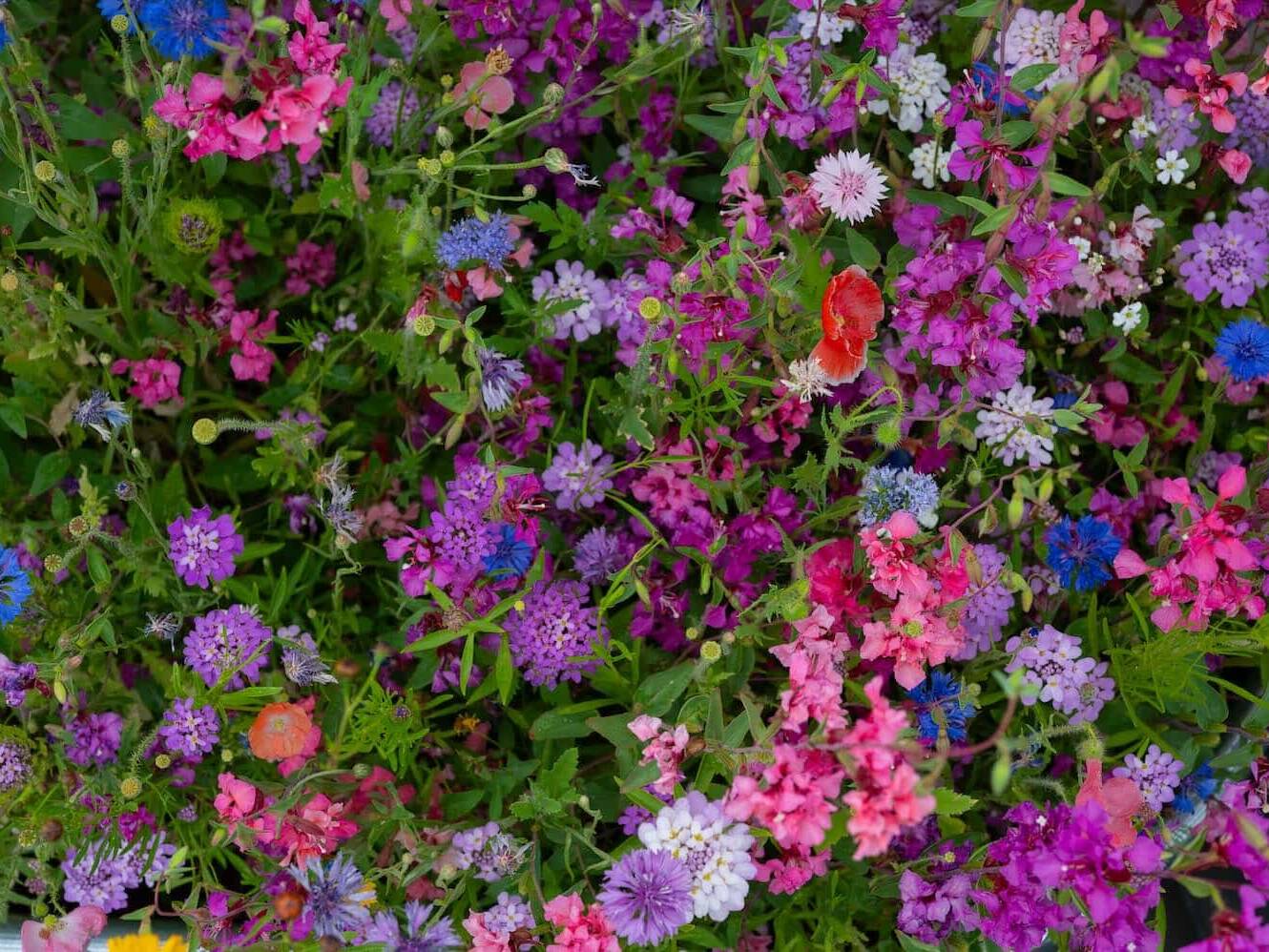
Wildflowers are also a top choice for dormant seeding. Native wildflowers especially benefit from dormant planting.
Planting wildflowers in the late fall provides natural stratification most need. Many perennial and native wildflower seeds require a period of cold, moist conditions to break their internal dormancy. Winter weather provides this chilling process naturally without needing a refrigerator. Some of our top choices:
- All Native Wildflower Mix — Plant late enough in the fall that your seeds remain dormant and do not germinate until spring. Native wildflowers take longer to establish and sowing in the fall helps give a jumpstart to your planting efforts.
- Western Wildflower Mix — A great late fall planting option with annuals and perennials that can benefit from dormant soil contact.
- Firewise Wildflower Mix — Contains many species that benefit most from dormant seeding.
- Native Wildflowers Single Varieties — Native flowers benefit most from dormant planting. Many are actually recommended for dormant seeding for establishment.
Our dryland, irrigated, and most pasture mixes; lawn and turf mixes; orchardgrass; perennial ryegrasses; and fescues among products frequently sown in fall. These are good fall-planting options, but that does not mean every species in them needs cold stratification.
How to dormant seed
- Choose seed for the site. Match species to your climate, soil texture, moisture, elevation, and planting goal. For rangeland or restoration projects, use local ecological-site and NRCS guidance where available.
- Prepare the seedbed. Control weeds and competing vegetation ahead of planting. Aim for a firm surface and good seed-to-soil contact. The right preparation depends on the site and equipment.
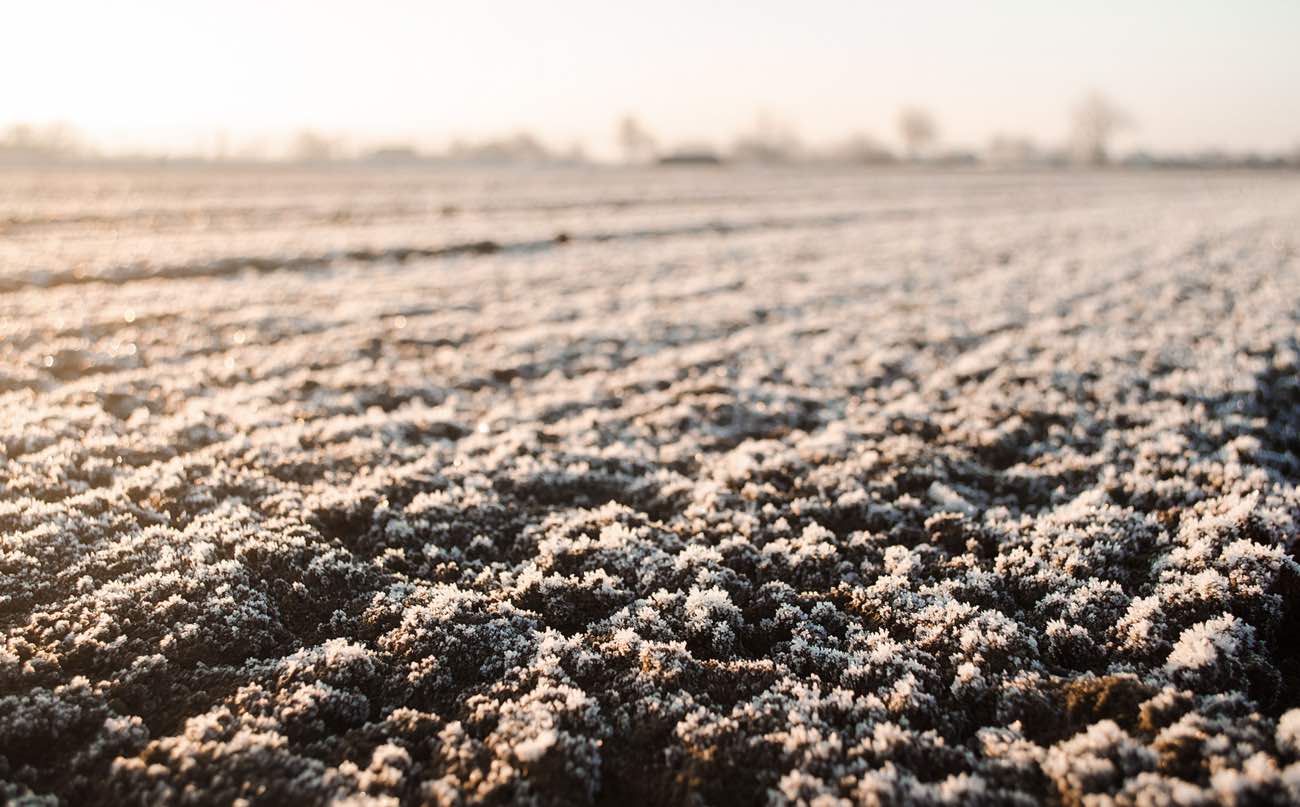
- Wait for the dormant window. Plant late enough that seed is unlikely to germinate during a fall warm spell, but while the ground is still workable. Great Basin Seed gives late October to mid-November as a general window; local conditions can shift it.
- Sow at the right depth. Follow each product’s directions. Some seed should be surface-sown or barely covered; other species need more coverage. Do not use one depth for the whole mix unless its instructions say so.
- Firm the seedbed if directed. Pressing or packing can improve seed-to-soil contact. Avoid burying small seed too deeply.
- Mark the area and watch in spring. Germination and establishment vary with weather, site conditions, and species. Keep an eye out for both seedlings and competing weeds.
NRCS Intermountain guidance gives soil temperatures below 40°F as ideal for dormant planting of the species it addresses. This is a regional example, not a universal threshold. A warm spell after planting matters if it brings enough warmth and moisture to trigger germination; the goal is to sow when seed is likely to remain dormant until spring.
Dormant Planting Checklist
Work through the full checklist before you sow. Tap or click each box as you go.
1. Choose the right seed
2. Prepare the site
3. Check the timing
4. Sow as directed
5. Protect and check the planting
Timing note: NRCS guidance for the Intermountain species it addresses gives soil temperatures below 40°F as ideal for dormant planting. Use local and species-specific instructions; this is not a universal cutoff.
Frequently asked questions
Can every seed be dormant-seeded?
No. Some seeds benefit from winter conditioning or fall moisture, while others need warm soil and should wait until spring or summer. Check the species-specific directions instead of relying on broad information.
What if the weather warms after I plant?
A couple of warm days usually isn’t a reason to worry. Air temperature can rise quickly while the soil stays cold. The concern is sustained warmth and moisture that trigger germination before winter.
The risk of a longer warm spell with moist soil is it will trigger sprouts followed by a hard freeze. Very young seedlings may be injured or killed. Extension guidance flags this as a risk of dormant seeding, and seed that sprouts too early may not survive winter.
What should I do if some of my seeds have sprouted?
Some seedlings may be damaged or killed if they emerge before winter and are then hit by hard freezes, especially if they are still small and tender. That does not mean the whole planting has failed. Some seedlings may survive, and seed that has not germinated can still emerge in spring. Leave the area in place, avoid traffic or soil disturbance, and wait until the normal spring germination period has passed before judging the stand. Then fill thin areas using the next recommended planting window for that species. Early germination followed by a cold snap is a recognized risk of dormant seeding. (University of Minnesota Extension, University of Nebraska–Lincoln Extension)
When is the right time to plant?
Use local soil and weather conditions, not a single calendar date. Great Basin Seed gives late October to mid-November as a general window. NRCS regional guidance varies by species and location; seed late enough to prevent fall germination while the ground is still workable.
Make winter part of your planting plan
Dormant seeding can give species that need winter conditioning the time they need, while putting suitable seed in place ahead of spring moisture. Start with the seed’s requirements, match it to the site, and plant during the right local window.
If you have any questions, we are happy to help. Give us a call at 435.283.1411 or contact us through our website.
Sources
- USDA NRCS Idaho Plant Materials Technical Note: Seeding Recommendations for Conservation Plant Species
- USDA NRCS: Conservation Plant Species for the Intermountain West
- USDA NRCS Plant Guide: Scarlet Globemallow
- USDA NRCS Plant Guide: Indian Ricegrass
- USDA BLM: Arrowleaf Balsamroot, Western Forbs: Biology, Ecology, and Use in Restoration
- USDA NRCS Plant Guide: Forage Kochia
- USDA NRCS: Planning and Implementing a Seeding in Sage-Grouse Country
- Great Basin Seed: Intermountain Planting Guide
- Great Basin Seed: Dormant Seeding Pastures and Lawn
- Great Basin Seed: 2025 Seed Catalog
- USDA NRCS: Effects of Seeding Date on Warm-Season Grass Establishment
- University of Minnesota Extension: Dormant Seeding
- University of Nebraska–Lincoln Extension: Dormant Lawn Seeding